
Royal Rajasthan with Varanasi and Khajuraho
The tour gives an insight of the vast culture and heritage North India has to offer, covering 12 UNESCO World Heritage sites. Experience the bustling bazars of Old Delhi and a rickshaw ride through the narrow lanes of Chandni Chowk. At dawn enjoy a boat ride at river Ganges - Varanasi, witnessing thousands of Hindu pilgrims performing the daily morning rituals. Not to be missed is the evening Aarti ceremony (religious prayer) soothes ones soul and mind at the Ghats of Varanasi. We also visit Sarnath, the land of origin of Buddhism where Lord Buddha gave his first sermon, followed by another UNESCO World Heritage site of Khajuraho to witness the world famous Kamasutra murals. If you have not travelled on a train in India, you have not seen the real India. A short train ride to Agra will let you jell more with the Indian locals. Cherish the beauty of White Marble with an early morning sunrise visit to the famous monument of love – “The Taj Mahal”. Endure the marble artistry in Agra, block printing and carpet weaving in Jaipur. Those interested can enjoy an elephant ride uphill to Amber Fort, Jaipur and get treated like the royalty of yesteryear. An Encounter with the Royal Bengal Tiger is not to be missed out. The land of Royals, Rajasthan has the massive Ranthambore National Park. Experience Jeep Safari to get a glimpse of the big cat- The Royal Bengal Tiger. Continue your journey to the bewitching little town of Pushkar. We conclude our tour with a fascinating camel ride at Sam sand dunes which is one of the pride of Rajasthan.
-
Theme
Cultural, Small Group, World Heritage tours -
Destinations
India, North India, Rajasthan -
Cities Covered New Delhi, Varanasi, Khajuraho, Agra, Ranthambore, Jaipur, Pushkar, Udaipur, Jodhpur, Jaisalmer, Bikaner, Alsisar
-
Ratings 1 Review5/5
-
Activity Level Moderate
-
Group Size Min Group Size: 2 |
Max Group Size: 14
Tour Highlights
India is many times rightfully referred to as a subcontinent, featuring diverse geographical and cultural regions, where ancient civilizations and religions flourished. The tour starts with the arrival in New Delhi, the capital city of India which has the charm of both British colonial period and the Mughal era. From thereon to Varanasi, where travelers get an opportunity to see Hindu pilgrims in thousands of numbers as they congregate on the banks of the River Ganges. One also gets to explore India’s amazing artistic legacy through the exquisite murals of Khajuraho followed by the medieval Mughal marvel of love - Taj Mahal in Agra along with a couple of other monuments. Ranthambore famous for its Tigers ; Jaipur the seductive pink mayhem; enchanting Pushkar around its holy lake with temples, bathing Ghats, onion domes and chalk –colored buildings clustering around it; Udaipur’s bone white buildings on shimmering lakes; Jodhpur – a luminescent blue patchwork; the honey-colored magnificence of Jaisalmer, arising from the desert; Bikaner – the sprawling desert town with its fort and a bustling walled city encompassing dark red sandstone havelies; and finally ending the journey at the story book town of Mandawa with wildly colorful, beautifully and bizarrely painted havelies (traditional ornately decorated residences).
World Heritage Sites
UNESCO-listed landmarks you will visit or explore on this itinerary.
10 sites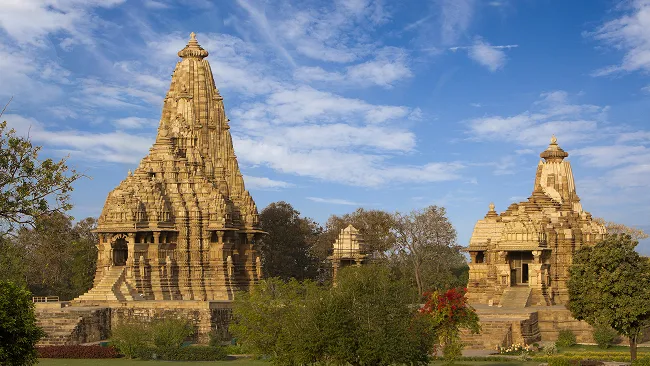
Tour Itinerary at Glance
| Day 1: | Arrive Delhi | |
| Day 2: | Delhi |
|
| Day 3: | Delhi/Varanasi (Flight) |
|
| Day 4: | Varanasi / Khajuraho (Flight) |
|
| Day 5: | Khajuraho / Jhansi (Drive) / Agra (Train) |
|
| Day 6: | Agra |
|
| Day 7: | Agra / Ranthambore (Drive) |
|
| Day 8: | Ranthambore / Jaipur (Drive) |
|
| Day 9: | Jaipur |
|
| Day 10: | Jaipur / Pushkar (Drive) |
|
| Day 11: | Pushkar / Udaipur (Drive) |
|
| Day 12: | Udaipur |
|
| Day 13: | Udaipur / Jodhpur (Drive: 290 Km/ 6 Hours) |
|
| Day 14: | Jodhpur / Jaisalmer (Drive: 300 Km/ 6 Hours) |
|
| Day 15: | Jaisalmer |
|
| Day 16: | Jaisalmer / Bikaner (Drive: 330 Km/ 7 Hours) |
|
| Day 17: | Bikaner / Mandawa/ Alsisar (Drive: 250 Km/ 6 Hours) |
|
| Day 18: | Alsisar / Delhi (Drive: 260 Km/ 6 Hours) |
|
- - Breakfast
- - Lunch
- - Dinner
The tour package inclusions and exclusions
The tour package booking terms and conditions
Before you book a trip with “Bestway2india.com”- An online trading entity of Bestway Tours and Safaris Pvt Ltd , please take the time to read and understand the booking terms and conditions & additional special conditions which apply to certain trips ,themes and promotional offers. These booking conditions form the basis of your contract with “Bestway Tours & Safaris Pvt. Ltd, Suite 403, Suncity Trade Tower, Sector 21, Gurgaon (National Capital Region), Haryana – 122016, (India) , A company incorporated under Indian companies ACT 1956 vide registration number 55-51646
By asking us to confirm your booking, you confirm that you have had the opportunity to read and have read these booking conditions, Essential trip information, Inclusions & Exclusions and cancellation & refund policy and agree to be bound by them.
These booking conditions only apply to holiday arrangements which you book with us on https://www.bestway2india.com (An online trading entity of Bestway Tours & Safaris Pvt Ltd) and which we agree to make , provide, or perform (as applicable) as part of our contract with you. All references in these booking conditions, to “holiday”, “booking”, “contract”, “package”, “tour” or “arrangements” mean such holiday arrangements unless otherwise stated.
Essential Trip Information
Booking Deposit, Cancellation and Refund Policy
Expand All
-
Day 1 - Arrive Delhi
 Namaste – Welcome to India! Upon arrival we are greeted the traditional Indian way with hands clapped together. We are then transferred to our hotel and have the balance of the day free.
-
Day 2 - Delhi
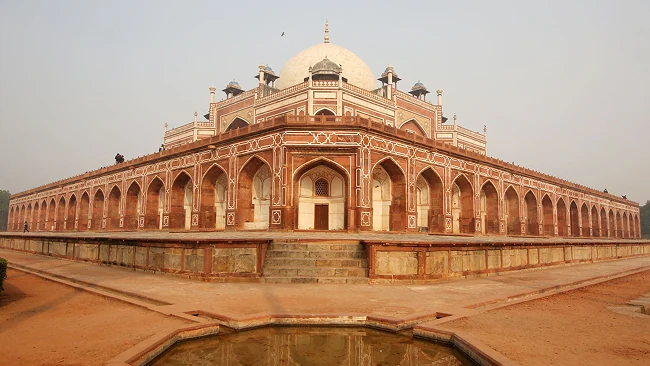
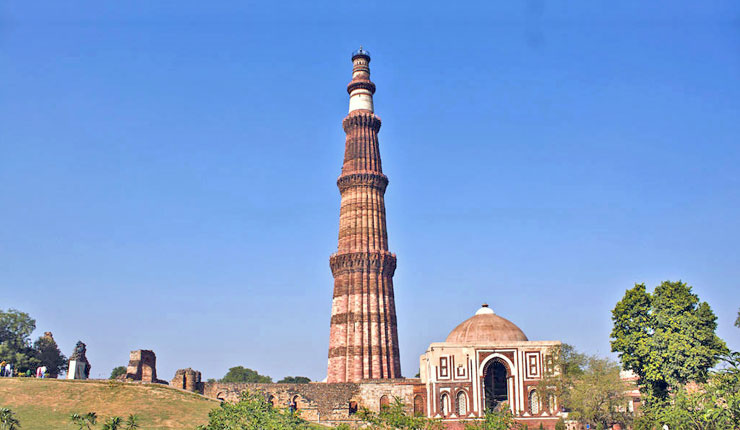
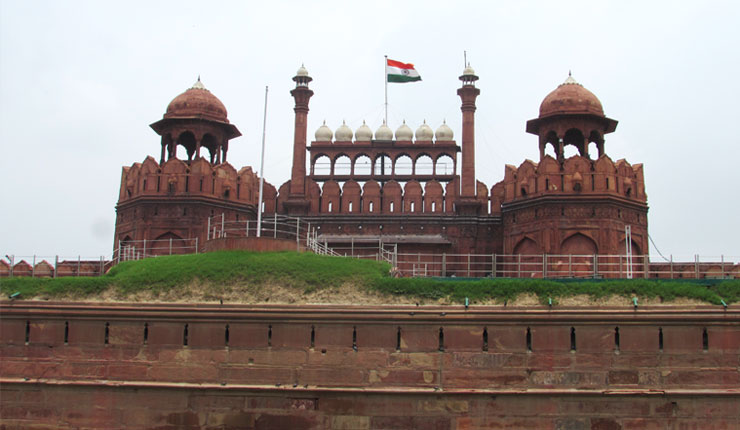
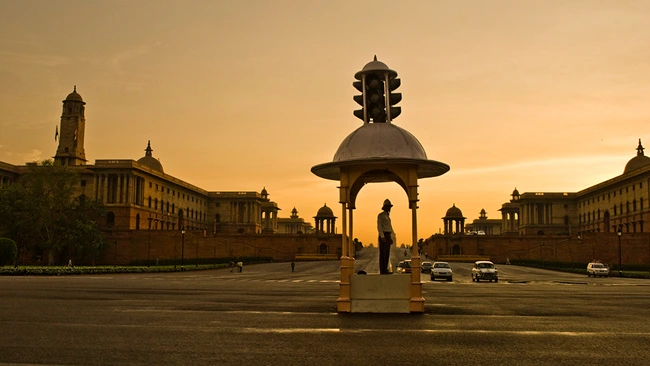
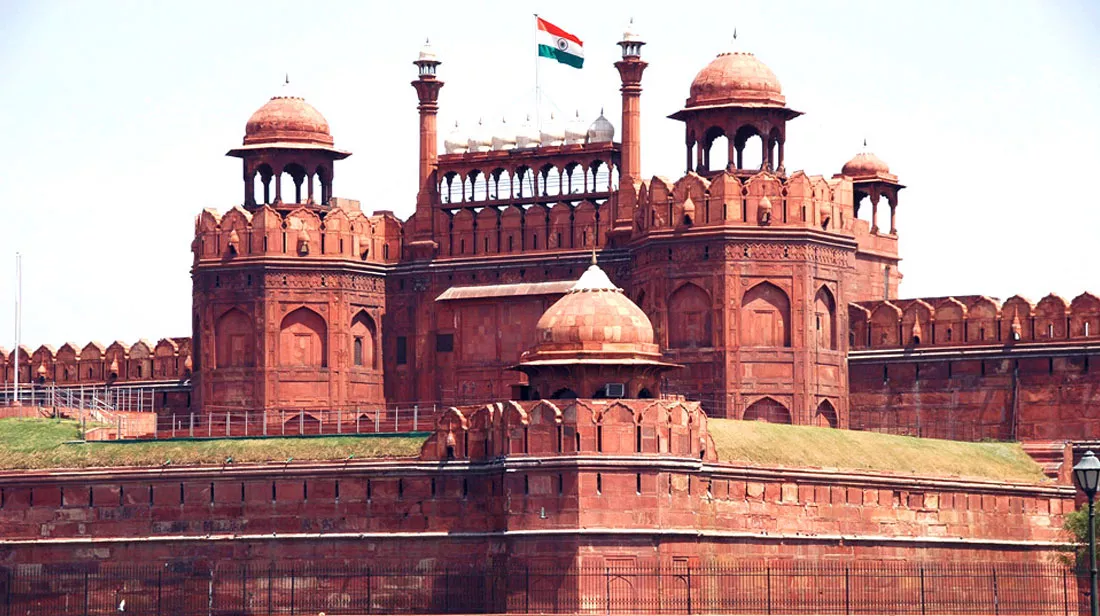 An introduction of India with a tour of New Delhi. We visit Birla House, the last residence of Mahatma Gandhi which is now a museum depicting his illustrious life. We then visit the famous India Gate followed by the Houses of Parliament, Connaught Place and Humayun's Tomb*. This tomb, built in 1570, is of particular cultural significance as it was the first garden-tomb on the Indian subcontinent. It inspired several major architectural innovations, culminating in the construction of the Taj Mahal. We continue to Qutb Minar and its Monuments* Built in the early 13th century the red sandstone tower of Qutb Minar is 72.5 m high. The surrounding archaeological area contains funerary buildings, notably the magnificent Alai-Darwaza Gate, a masterpiece of Indo-Muslim art and two mosques. Our afternoon concentrates on Old Delhi, starting with the Red Fort Complex*. Named for its massive enclosing walls of red sandstone, it is adjacent to an older fort, the Salimgarh, built by Islam Shah Suri in 1546, with which it forms the Red Fort Complex. The Red Fort is considered to represent the zenith of Mughal creativity which, under the Shah Jahan, was brought to a new level of refinement and each pavilion reveals architectural elements typical of Mughal building, reflecting a fusion of Persian, Timurid and Hindu traditions. After visiting the Red fort, we embark on a captivating journey on a Rickshaw passing through the narrow lanes of the famous Chandni Chowk Bazaar, it was originally built by Mughal Emperor Shah Jehan for his daughter Jahan Ara in 17th Century since then many changes have taken place however it still remains Old Delhi's one of the Oldest and busiest markets in Delhi. Finally end our rickshaw ride at Jama Masjid, Mughal majesty and India's largest mosque. After visiting the mosque, we proceed to Raj Ghat, the cremation site of Mahatma Gandhi. In the evening we enjoy a welcome dinner at a well-known local restaurant.
Meals Included
An introduction of India with a tour of New Delhi. We visit Birla House, the last residence of Mahatma Gandhi which is now a museum depicting his illustrious life. We then visit the famous India Gate followed by the Houses of Parliament, Connaught Place and Humayun's Tomb*. This tomb, built in 1570, is of particular cultural significance as it was the first garden-tomb on the Indian subcontinent. It inspired several major architectural innovations, culminating in the construction of the Taj Mahal. We continue to Qutb Minar and its Monuments* Built in the early 13th century the red sandstone tower of Qutb Minar is 72.5 m high. The surrounding archaeological area contains funerary buildings, notably the magnificent Alai-Darwaza Gate, a masterpiece of Indo-Muslim art and two mosques. Our afternoon concentrates on Old Delhi, starting with the Red Fort Complex*. Named for its massive enclosing walls of red sandstone, it is adjacent to an older fort, the Salimgarh, built by Islam Shah Suri in 1546, with which it forms the Red Fort Complex. The Red Fort is considered to represent the zenith of Mughal creativity which, under the Shah Jahan, was brought to a new level of refinement and each pavilion reveals architectural elements typical of Mughal building, reflecting a fusion of Persian, Timurid and Hindu traditions. After visiting the Red fort, we embark on a captivating journey on a Rickshaw passing through the narrow lanes of the famous Chandni Chowk Bazaar, it was originally built by Mughal Emperor Shah Jehan for his daughter Jahan Ara in 17th Century since then many changes have taken place however it still remains Old Delhi's one of the Oldest and busiest markets in Delhi. Finally end our rickshaw ride at Jama Masjid, Mughal majesty and India's largest mosque. After visiting the mosque, we proceed to Raj Ghat, the cremation site of Mahatma Gandhi. In the evening we enjoy a welcome dinner at a well-known local restaurant.
Meals Included-
Breakfast
-
Dinner
-
-
Day 3 - Delhi/Varanasi (Flight)
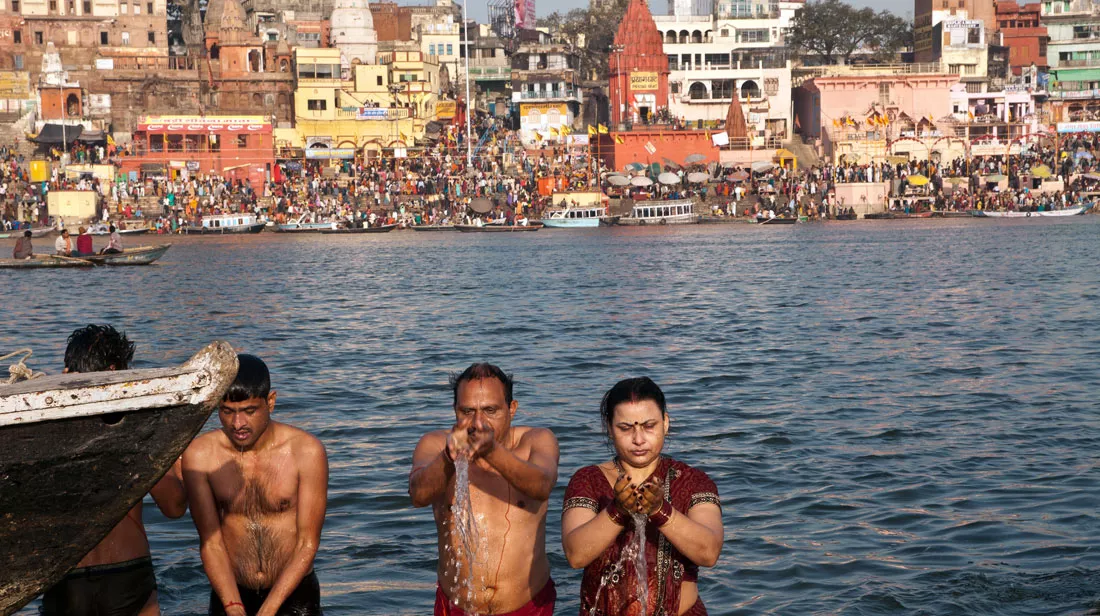 A short flight gets us to Varanasi, one of the oldest living cities in the world. On arrival we are transferred to our hotel. In the afternoon we explore Sarnath, the site where Lord Buddha gave his first sermon after attaining enlightenment. Varanasi is also famous for its silk sarees and we visit some of the houses where the beautiful silk sarees are actually woven. In the evening we get to the banks of the Ganges to witness the Aarti ceremony, a Hindu religious ritual of worship, a part of puja, in which light from wicks soaked in ghee or camphor is offered to one or more deities after sunset.
Meals Included
A short flight gets us to Varanasi, one of the oldest living cities in the world. On arrival we are transferred to our hotel. In the afternoon we explore Sarnath, the site where Lord Buddha gave his first sermon after attaining enlightenment. Varanasi is also famous for its silk sarees and we visit some of the houses where the beautiful silk sarees are actually woven. In the evening we get to the banks of the Ganges to witness the Aarti ceremony, a Hindu religious ritual of worship, a part of puja, in which light from wicks soaked in ghee or camphor is offered to one or more deities after sunset.
Meals Included-
Breakfast
-
Dinner
-
-
Day 4 - Varanasi / Khajuraho (Flight)
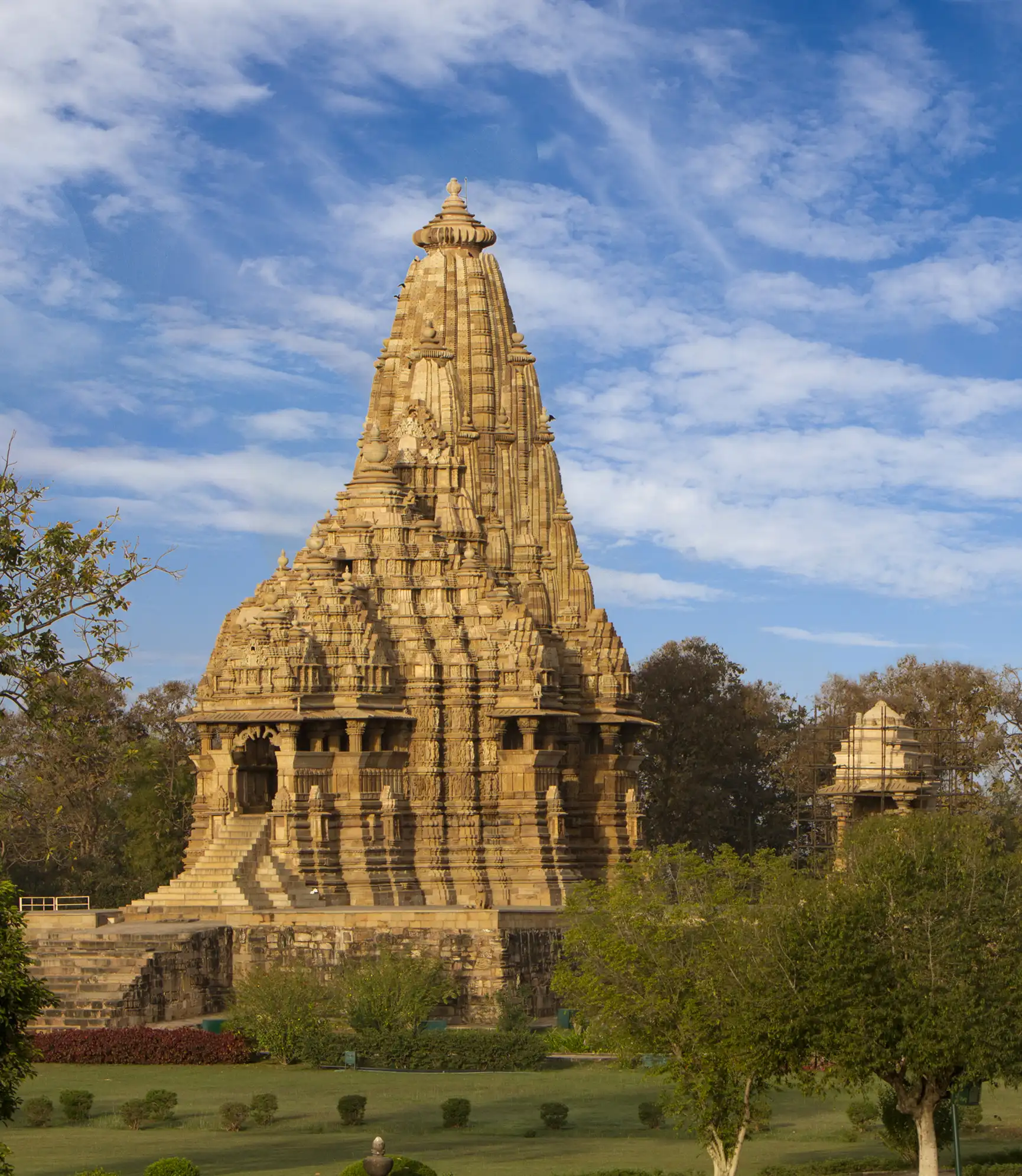
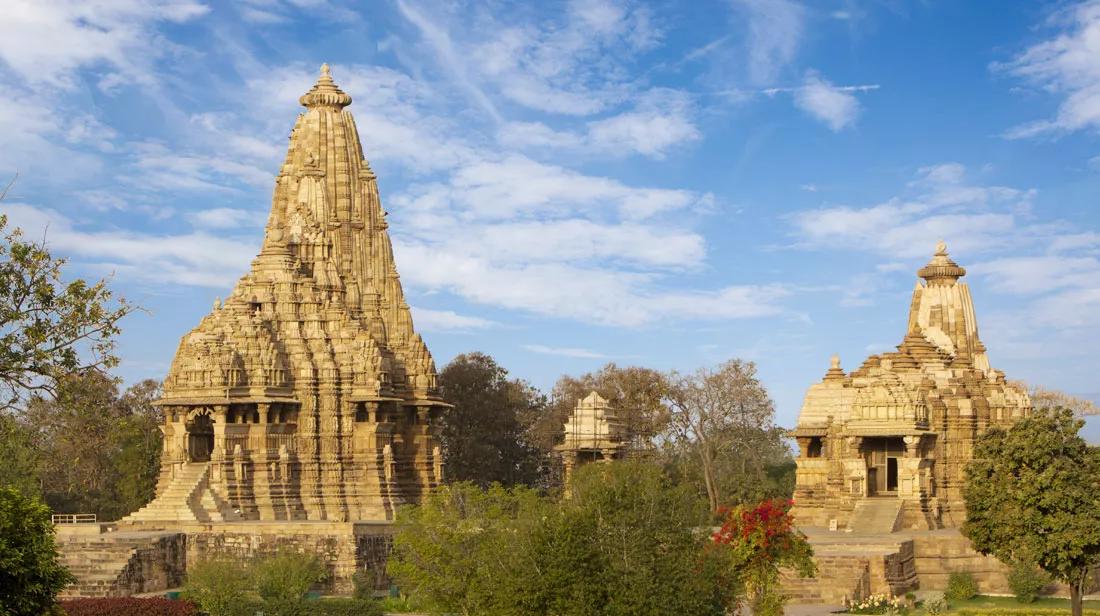
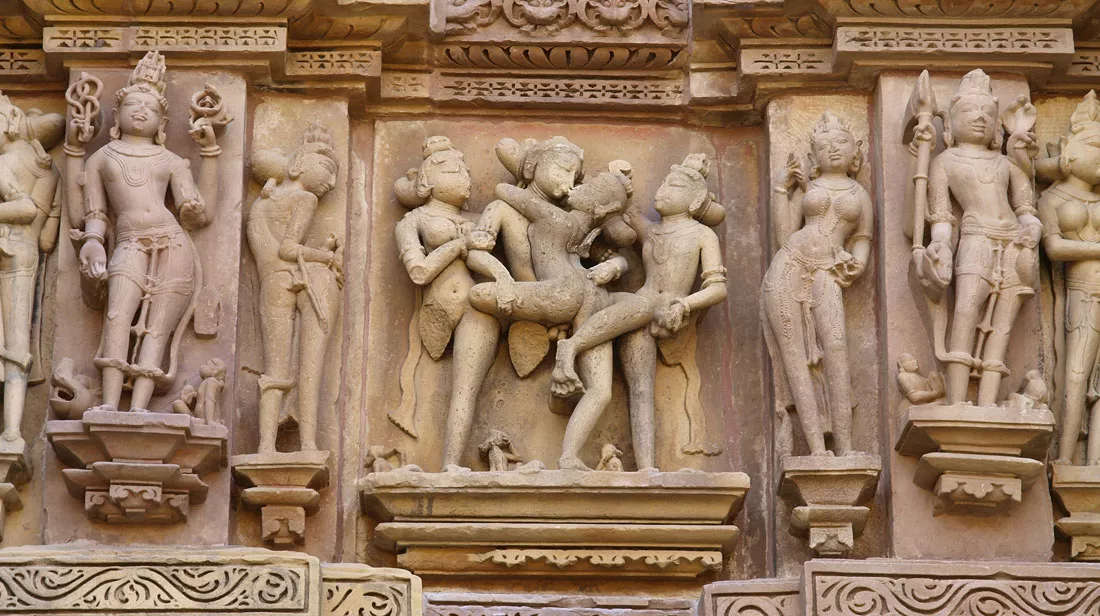 In the early morning we take a sunrise boat ride on the River Ganges. One of the cardinal principles of Hinduism is the belief in the holiness of the Ganges. Every morning scores of pilgrims and priests fill the riverbanks bathing in the holy waters and perform various rituals. This unique experience literally transports you to another world. After boat ride we explore old Varanasi, visiting the Bharat Mata Temple, which houses a huge marble relief map of India; the Durga Temple, the Tulsi Manas Mandir beside the Banaras Hindu University and the Mosque of Mughal Emperor Aurangazeb. After the tour we come back to hotel for breakfast. Later we take a short flight to Khajuraho. On arrival in Khajuraho, we are transferred to our hotel. In the afternoon we explore the Khajuraho Group of Monuments* The temples at Khajuraho were built during the Chandella dynasty, which reached its apogee between 950 and 1050. Today only 20 temples remain and they fall into three distinct groups and belonging to the religions of Hinduism and Jainism. They strike a perfect balance between architecture and sculpture. The Temples are decorated with a profusion of sculptures that are among the greatest masterpieces of Indian art.
Meals Included
In the early morning we take a sunrise boat ride on the River Ganges. One of the cardinal principles of Hinduism is the belief in the holiness of the Ganges. Every morning scores of pilgrims and priests fill the riverbanks bathing in the holy waters and perform various rituals. This unique experience literally transports you to another world. After boat ride we explore old Varanasi, visiting the Bharat Mata Temple, which houses a huge marble relief map of India; the Durga Temple, the Tulsi Manas Mandir beside the Banaras Hindu University and the Mosque of Mughal Emperor Aurangazeb. After the tour we come back to hotel for breakfast. Later we take a short flight to Khajuraho. On arrival in Khajuraho, we are transferred to our hotel. In the afternoon we explore the Khajuraho Group of Monuments* The temples at Khajuraho were built during the Chandella dynasty, which reached its apogee between 950 and 1050. Today only 20 temples remain and they fall into three distinct groups and belonging to the religions of Hinduism and Jainism. They strike a perfect balance between architecture and sculpture. The Temples are decorated with a profusion of sculptures that are among the greatest masterpieces of Indian art.
Meals Included-
Breakfast
-
Dinner
-
-
Day 5 - Khajuraho / Jhansi (Drive) / Agra (Train)
 A scenic morning drive to Orchha to visit this amazing medieval fortress-city located on the shores of the Betwa River. The fort consists of several connected buildings erected at different times, the most noteworthy of which are the Raja Mahal and the Jahangir Mahal. A unique experience as we embark on the Shatabdi Express train to Agra. Train travel in India is a not to be missed opportunity. This train is fully air-conditioned and we get to enjoy complimentary meals. Great opportunity to meet local folks on board the train and get to know them. As we get closer to Agra we see the Taj Mahal at a distance. Arrival at Agra Railway Station and are welcomed and transferred to our hotel.
Meals Included
A scenic morning drive to Orchha to visit this amazing medieval fortress-city located on the shores of the Betwa River. The fort consists of several connected buildings erected at different times, the most noteworthy of which are the Raja Mahal and the Jahangir Mahal. A unique experience as we embark on the Shatabdi Express train to Agra. Train travel in India is a not to be missed opportunity. This train is fully air-conditioned and we get to enjoy complimentary meals. Great opportunity to meet local folks on board the train and get to know them. As we get closer to Agra we see the Taj Mahal at a distance. Arrival at Agra Railway Station and are welcomed and transferred to our hotel.
Meals Included-
Breakfast
-
Dinner
-
-
Day 6 - Agra
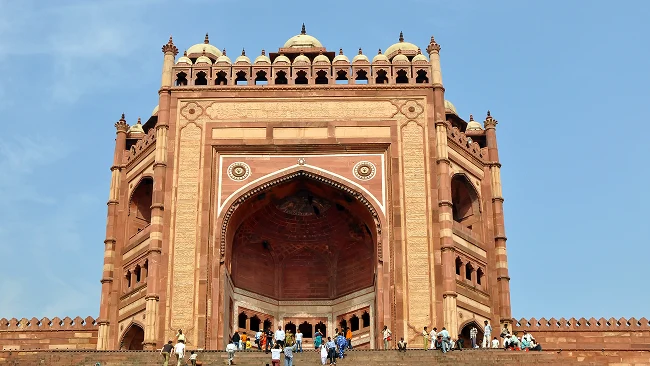
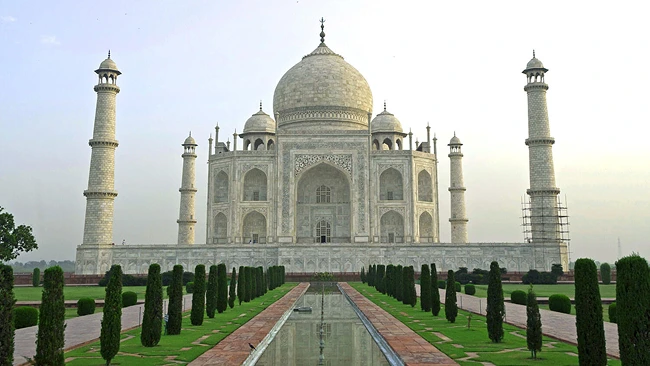
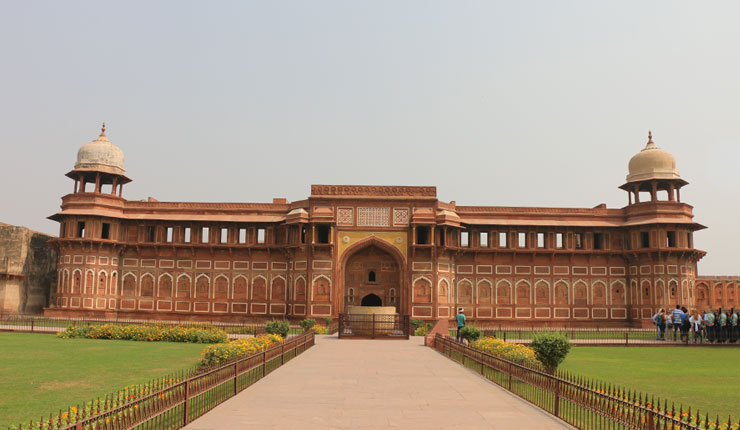
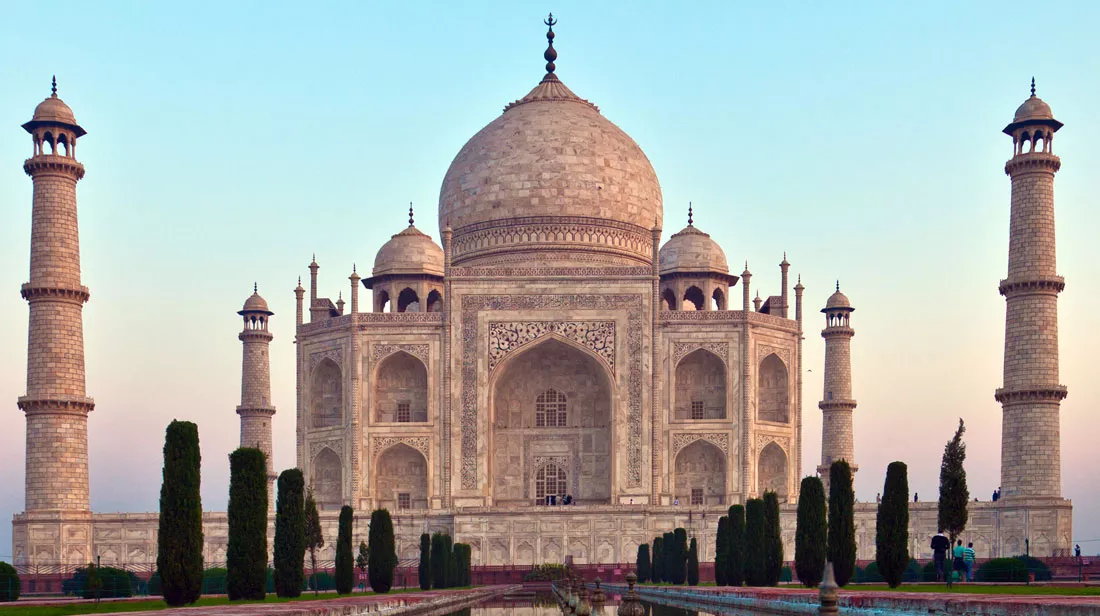 To many today is the most awaited day. We begin our day before sunrise with a visit to one of the most beautiful monuments in the world, the Taj Mahal*. An immense mausoleum of white marble built between 1631 and 1648 by the Mughal emperor Shah Jahan in memory of his favourite wife, the Taj Mahal is the crown jewel of Muslim art in India and across the world. Set in a vast Mogul garden located on the right bank of the Yamuna River, this funerary monument combines elements and styles of Persian, Central Asian and Islamic architecture. After our sunrise experience at this artistic masterpiece, we return to our hotel for breakfast. Later we visit Agra Fort*. This powerful fortress of red sandstone encompasses, within its 2.5-km-long enclosure walls, the imperial city of the Mughal rulers. It comprises many fairy-tale palaces, audience halls and two very beautiful mosques. In the afternoon we visit Fatehpur Sikri*. Built in 1640 by the by the Mughal Emperor, Akbar the Great, it was the capital of the Mughal Empire for about ten years before it was abandoned. The complex of monuments and temples features a uniform architectural style and includes one of India’s largest mosques and the beautiful Mausoleum of Salim Chisty, a revered Sufi saint. Evening is free to wonder around this small-town housing three UNESCO World Heritage sites.
Note: On nights with a Full Moon the Taj Mahal's pure white marble shimmers silver in the moonlight and is open to visitors. Bestway Tours & Safaris can arrange an optional tour to enjoy this very special occasion.
Meals Included
To many today is the most awaited day. We begin our day before sunrise with a visit to one of the most beautiful monuments in the world, the Taj Mahal*. An immense mausoleum of white marble built between 1631 and 1648 by the Mughal emperor Shah Jahan in memory of his favourite wife, the Taj Mahal is the crown jewel of Muslim art in India and across the world. Set in a vast Mogul garden located on the right bank of the Yamuna River, this funerary monument combines elements and styles of Persian, Central Asian and Islamic architecture. After our sunrise experience at this artistic masterpiece, we return to our hotel for breakfast. Later we visit Agra Fort*. This powerful fortress of red sandstone encompasses, within its 2.5-km-long enclosure walls, the imperial city of the Mughal rulers. It comprises many fairy-tale palaces, audience halls and two very beautiful mosques. In the afternoon we visit Fatehpur Sikri*. Built in 1640 by the by the Mughal Emperor, Akbar the Great, it was the capital of the Mughal Empire for about ten years before it was abandoned. The complex of monuments and temples features a uniform architectural style and includes one of India’s largest mosques and the beautiful Mausoleum of Salim Chisty, a revered Sufi saint. Evening is free to wonder around this small-town housing three UNESCO World Heritage sites.
Note: On nights with a Full Moon the Taj Mahal's pure white marble shimmers silver in the moonlight and is open to visitors. Bestway Tours & Safaris can arrange an optional tour to enjoy this very special occasion.
Meals Included-
Breakfast
-
Dinner
-
-
Day 7 - Agra / Ranthambore (Drive)
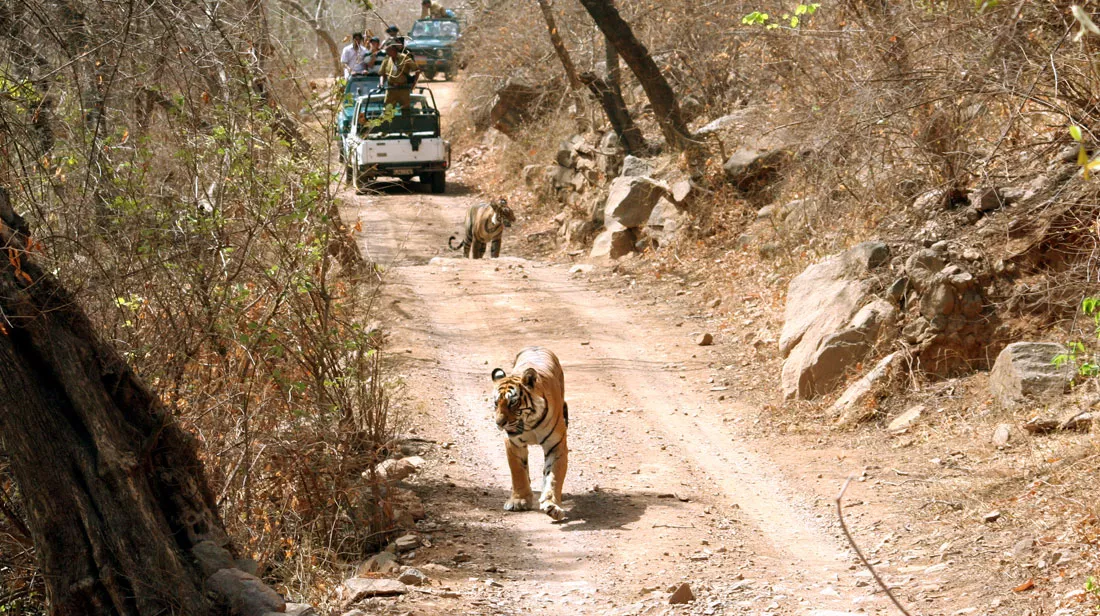 A countryside drive takes us to Ranthambore, the former hunting ground of the Maharajas of Jaipur. Ranthambore National Park lies at the edge of a plateau, and is bounded to the north by the Banas River and to the south by the Chambal River. There are several lakes in the park. It is named for the historic Ranthambhore Fort*, which lies within the national park. The rugged terrain and the dense deciduous forests are major features of this national park, which has among the largest and most diverse collection of wildlife species in India. In the afternoon we take a safari through the National Park, where we encounter a variety of mammals, including tigers. About 150 bird species have their habitat here and in winter a variety of migratory birds can be seen.
Meals Included
A countryside drive takes us to Ranthambore, the former hunting ground of the Maharajas of Jaipur. Ranthambore National Park lies at the edge of a plateau, and is bounded to the north by the Banas River and to the south by the Chambal River. There are several lakes in the park. It is named for the historic Ranthambhore Fort*, which lies within the national park. The rugged terrain and the dense deciduous forests are major features of this national park, which has among the largest and most diverse collection of wildlife species in India. In the afternoon we take a safari through the National Park, where we encounter a variety of mammals, including tigers. About 150 bird species have their habitat here and in winter a variety of migratory birds can be seen.
Meals Included-
Breakfast
-
Lunch
-
Dinner
-
-
Day 8 - Ranthambore / Jaipur (Drive)
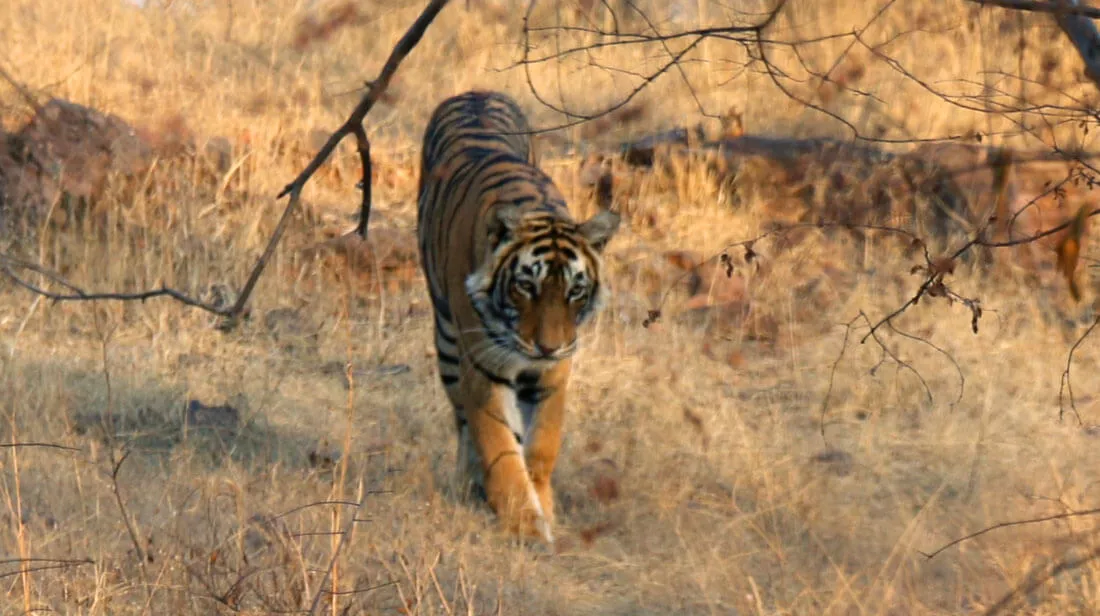 An early morning safari in time when animals are looking out for their prey. We try and spot nilgai, chausingha, chital, chinkara, wild boar, muntjac, jungle cat, ratel, hyena, porcupine, rhesus macaque and black-faced langur. Ranthambhore was declared one of the Project Tiger reserves in 1973 and spotting the big cat in its natural habitat is an unforgettable experience. After our morning safari, we drive to Jaipur, the capital of Rajasthan called the Pink City, since most of the buildings in the old city are made of pink sandstone. In the evening we enjoy our dinner followed by Rajasthani Cultural dance show.
Meals Included
An early morning safari in time when animals are looking out for their prey. We try and spot nilgai, chausingha, chital, chinkara, wild boar, muntjac, jungle cat, ratel, hyena, porcupine, rhesus macaque and black-faced langur. Ranthambhore was declared one of the Project Tiger reserves in 1973 and spotting the big cat in its natural habitat is an unforgettable experience. After our morning safari, we drive to Jaipur, the capital of Rajasthan called the Pink City, since most of the buildings in the old city are made of pink sandstone. In the evening we enjoy our dinner followed by Rajasthani Cultural dance show.
Meals Included-
Breakfast
-
Dinner
-
-
Day 9 - Jaipur
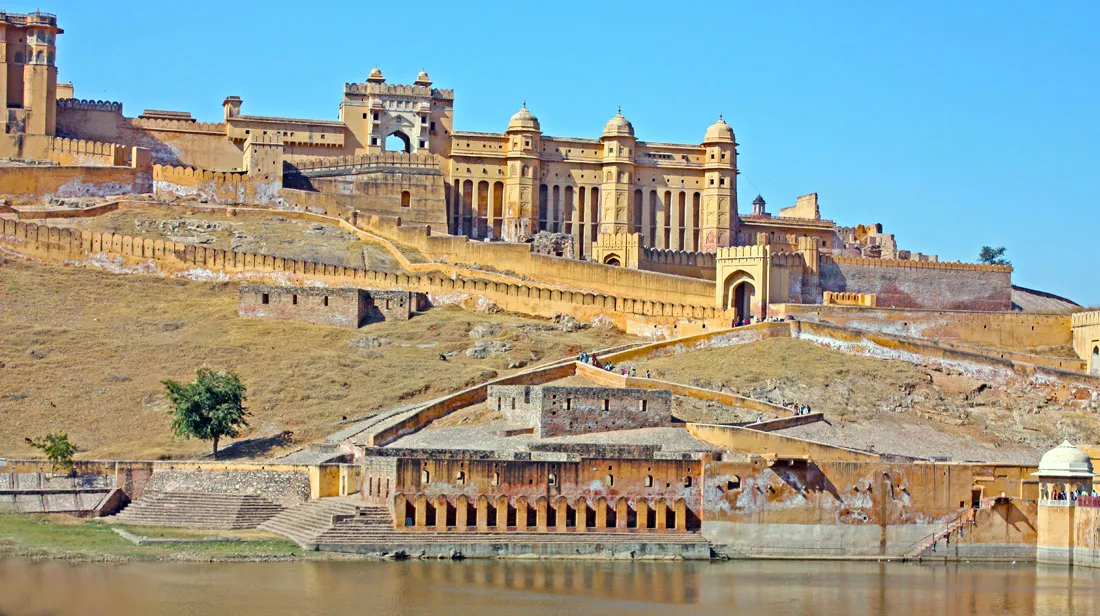 Today we will be treated like the royalty of yesteryear with an elephant ride to the majestic Amber Fort*. Perched on a hillside on the outskirts of town, the palace was constructed by Maharaja Man Singh. The fort which started construction in 1592 comprises a number of gardens, courtyards and palatial spaces derived from Mughal architecture and are a distinguished example of 17th Century Rajput architecture. We return to Jaipur city* to see the beautiful the Hawa Mahal, the Palace of Winds, where the ladies of the royal court used to watch the city from behind its intricately carved facade.
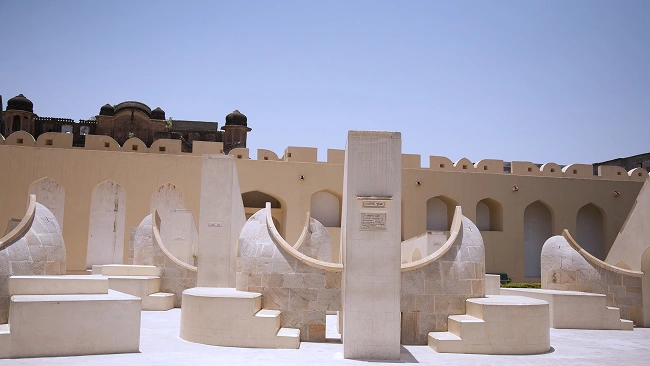
We then visit the majestic City Palace, which houses a rare collection of Indian art and the Jantar Mantar*, an astronomical observatory built in the early 18th century that includes a set of some 20 main fixed instruments designed for the observation of astronomical positions with the naked eye. It is an expression of the astronomical skills and cosmological concepts of the court of a scholarly prince at the end of the Mughal period. The evening is free to rest or perhaps enjoy both shopping and get a cultural experience of the bazaar. Jaipur is noted for its craftsmen, skilled in brass inlay, lacquer work and stone setting
Meals Included
Today we will be treated like the royalty of yesteryear with an elephant ride to the majestic Amber Fort*. Perched on a hillside on the outskirts of town, the palace was constructed by Maharaja Man Singh. The fort which started construction in 1592 comprises a number of gardens, courtyards and palatial spaces derived from Mughal architecture and are a distinguished example of 17th Century Rajput architecture. We return to Jaipur city* to see the beautiful the Hawa Mahal, the Palace of Winds, where the ladies of the royal court used to watch the city from behind its intricately carved facade.
We then visit the majestic City Palace, which houses a rare collection of Indian art and the Jantar Mantar*, an astronomical observatory built in the early 18th century that includes a set of some 20 main fixed instruments designed for the observation of astronomical positions with the naked eye. It is an expression of the astronomical skills and cosmological concepts of the court of a scholarly prince at the end of the Mughal period. The evening is free to rest or perhaps enjoy both shopping and get a cultural experience of the bazaar. Jaipur is noted for its craftsmen, skilled in brass inlay, lacquer work and stone setting
Meals Included-
Breakfast
-
Dinner
-
-
Day 10 - Jaipur / Pushkar (Drive)
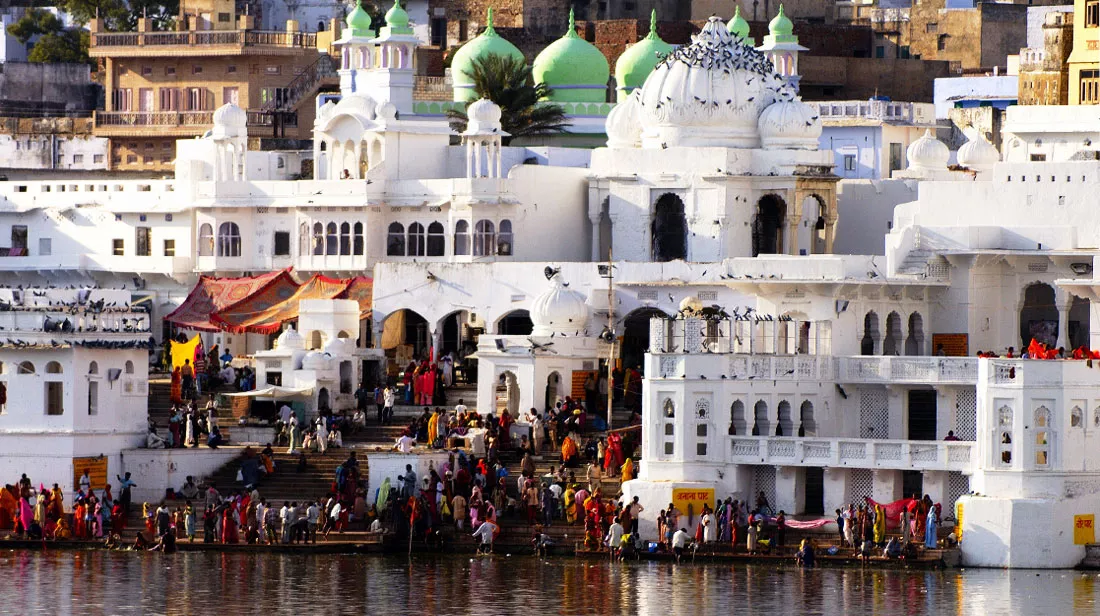 A leisurely drive to Pushkar, a bewitching little town on the edge of the desert, with temples, bathing Ghats, onion domes and chalk-coloured buildings clustering around its holy lake, said to have appeared when Brahma dropped a lotus flower. The lake is an important pilgrimage centre and we shall see many pilgrims and Sadhus, Hindu holy men. We visit the famous Lord Brahma Temple, one of the few temples in the world dedicated to this deity. Evening we walk through the town and meet the local folks.
Meals Included
A leisurely drive to Pushkar, a bewitching little town on the edge of the desert, with temples, bathing Ghats, onion domes and chalk-coloured buildings clustering around its holy lake, said to have appeared when Brahma dropped a lotus flower. The lake is an important pilgrimage centre and we shall see many pilgrims and Sadhus, Hindu holy men. We visit the famous Lord Brahma Temple, one of the few temples in the world dedicated to this deity. Evening we walk through the town and meet the local folks.
Meals Included-
Breakfast
-
Dinner
-
-
Day 11 - Pushkar / Udaipur (Drive)
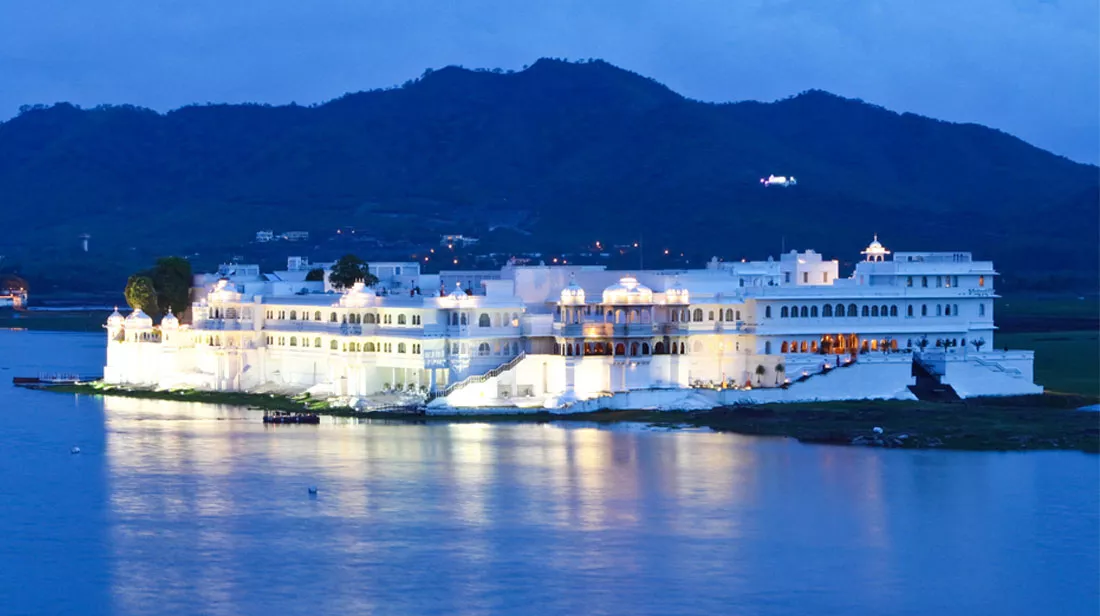 A fascinating countryside as we drive through Rajasthan to Udaipur. Rajasthan literally means “the land of the Rajas” and we notice that still. Udaipur was the historic capital of the former kingdom of Mewar and no other city in Rajasthan is quite as romantic. Misty ochre-shadowed hills and pale, intricate buildings encircle shimmering Lake Pichhola. On arrival we check in our hotel. Balance of the day is free.
Meals Included
A fascinating countryside as we drive through Rajasthan to Udaipur. Rajasthan literally means “the land of the Rajas” and we notice that still. Udaipur was the historic capital of the former kingdom of Mewar and no other city in Rajasthan is quite as romantic. Misty ochre-shadowed hills and pale, intricate buildings encircle shimmering Lake Pichhola. On arrival we check in our hotel. Balance of the day is free.
Meals Included-
Breakfast
-
Dinner
-
-
Day 12 - Udaipur
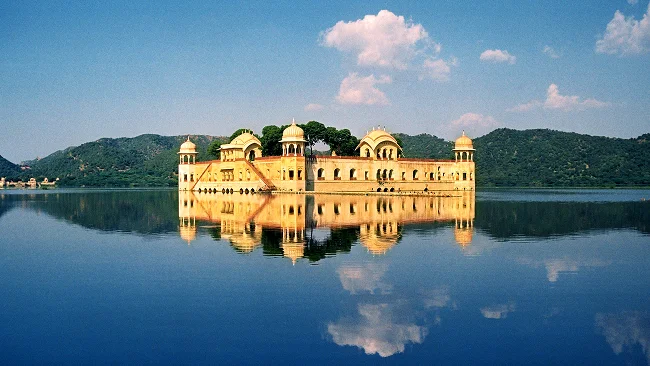
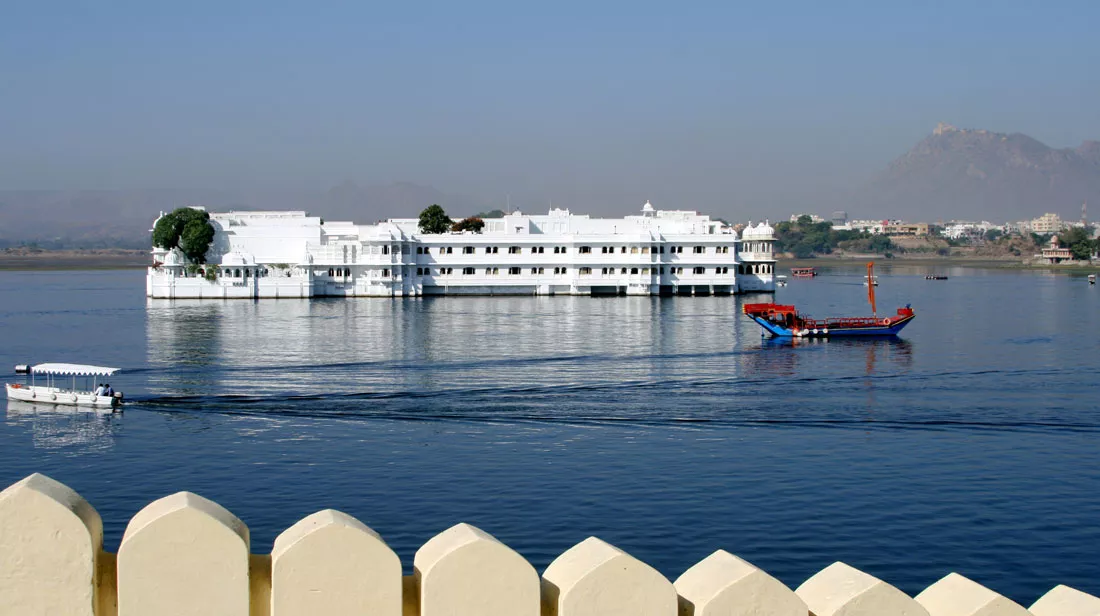 Our yet another interesting day starts with a visit to the enchanting City Palace, which overlooks the Lake Palace located in the blue waters of Lake Pichhola. The palace features several architectural and artistic treasures, such as the stunning peacock mosaics in the Mor Chowk and the murals of the Bhim Vilas Palace. We then visit the Jagdish Temple, to view some remarkable friezes dating back to 1651. Next we explore Fateh Sagar Lake and Saheliyon Ki Bari, the Garden of Maids. We end our tour of Udaipur with a boat ride on Lake Pichhola, sailing past the picturesque Ghats and palaces and visit Jag Mandir, a 17th century palace built on an island in Lake Pichhola. The royal family used the palace as a summer resort and a pleasure palace for holding parties.
Meals Included
Our yet another interesting day starts with a visit to the enchanting City Palace, which overlooks the Lake Palace located in the blue waters of Lake Pichhola. The palace features several architectural and artistic treasures, such as the stunning peacock mosaics in the Mor Chowk and the murals of the Bhim Vilas Palace. We then visit the Jagdish Temple, to view some remarkable friezes dating back to 1651. Next we explore Fateh Sagar Lake and Saheliyon Ki Bari, the Garden of Maids. We end our tour of Udaipur with a boat ride on Lake Pichhola, sailing past the picturesque Ghats and palaces and visit Jag Mandir, a 17th century palace built on an island in Lake Pichhola. The royal family used the palace as a summer resort and a pleasure palace for holding parties.
Meals Included-
Breakfast
-
Dinner
-
-
Day 13 - Udaipur / Jodhpur (Drive: 290 Km/ 6 Hours)
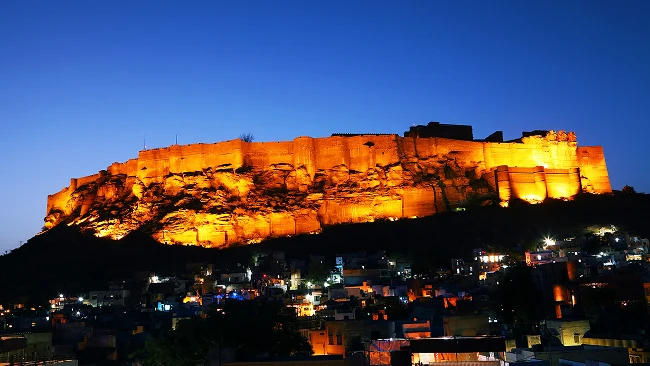
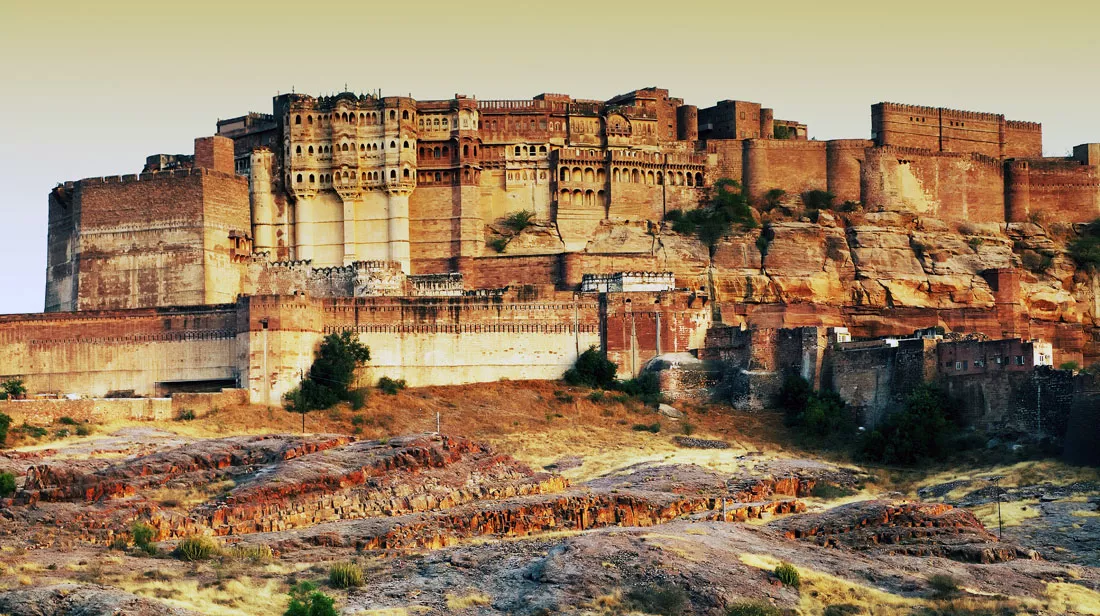 After breakfast we drive to Jodhpur. On arrival, we check in our Hotel. In the afternoon we visit Mehrangarh Fort, one of the largest forts in India. The fort is situated 400 feet (122 m) above the city and is enclosed by imposing thick walls. Inside its boundaries there are several palaces known for their intricate carvings and expansive courtyards. We enter through the Gate of Victory (Jaipal) and explore the series of courtyards and palaces decorated with beautiful terracotta lattice work.
The museum in the fort has one of the best collections of the splendid trappings of Indian royalty, including some amazing elephant’s howdahs (essential for glittering processions), miniature paintings and the inevitable Rajput armory and ephemera from ivory inlaid ladies dumbbells to camel bone carpet weights. Later we visit Jaswant Thada, a white marble memorial to Maharaja Jaswant Singh II with an array of whimsical domes.
Meals Included-
Breakfast
-
Dinner
-
-
Day 14 - Jodhpur / Jaisalmer (Drive: 300 Km/ 6 Hours)
 After breakfast we drive to Jaisalmer. Jaisalmer stands on a ridge of yellowish sandstone, crowned by a fort, which contains the palace and several ornate Jain temples. Many of the houses and temples are finely sculptured. It lies in the heart of the Thar Desert. On arrival we check in at our hotel. The remainder of the day is free for relaxation.
Meals Included
After breakfast we drive to Jaisalmer. Jaisalmer stands on a ridge of yellowish sandstone, crowned by a fort, which contains the palace and several ornate Jain temples. Many of the houses and temples are finely sculptured. It lies in the heart of the Thar Desert. On arrival we check in at our hotel. The remainder of the day is free for relaxation.
Meals Included-
Breakfast
-
Dinner
-
-
Day 15 - Jaisalmer
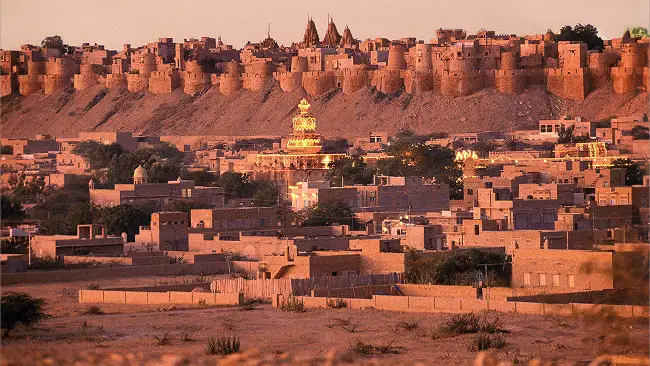
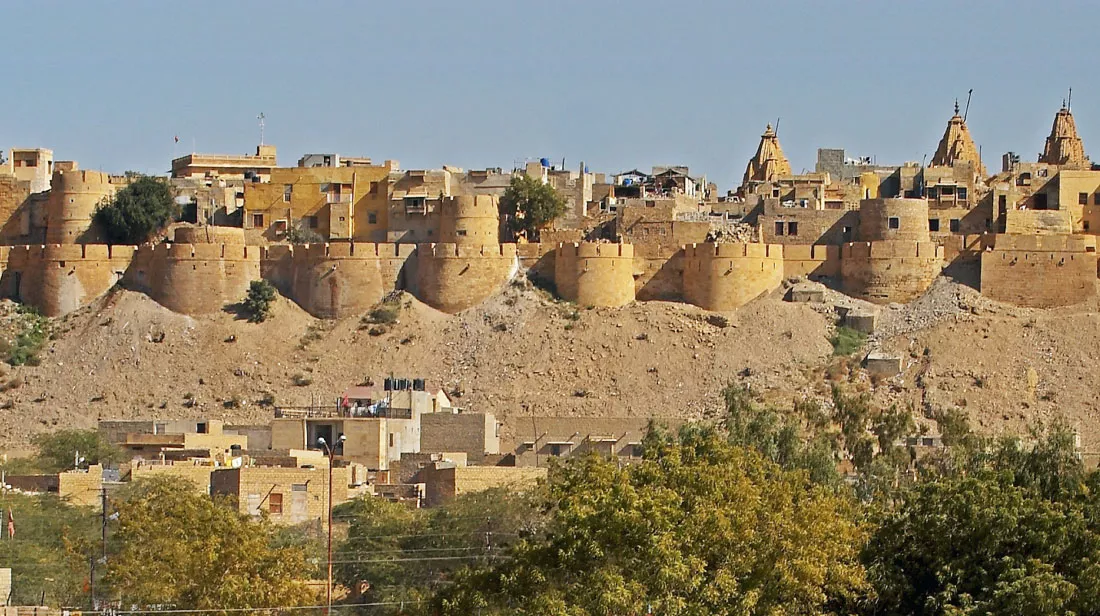 We visit Jaisalmer Fort*, one of the largest forts in the world. It was built in 1156 AD by the Bhati Rajput ruler Rawal Jaisal, from where it derives name. The fort stands proudly amidst the golden stretches of the great Thar Desert, on Trikuta Hill, and has been the scene of many battles. Its massive yellow sandstone walls are a tawny lion color during the day, fading to honey-gold as the sun sets, thereby camouflaging the fort in the yellow desert. For this reason, it is also known as the "Golden Fort". Life within the citadel conjures up images of medieval times as we wander through narrow lanes filled with havelis (mansions), temples, skilled artisans and of course camels. We then explore the Jain temple dating to the 11th century BC, the Folk Museum and Patwon-Ki-Haveli, the home of a wealthy merchant belonging to powerful Oswal Jain community and banker who had over three hundred trading centers from Afghanistan to China. This ornate five-story complex took fifty years to complete and is the largest, and most elaborate of Jaisalmer’s havelis. We also visit Gadisar Tank, a scenic rainwater lake with numerous beautiful shrines around and a spectacular avian variety.
In the late afternoon we drive to Sam village in the Thar Desert. We ride on camels to the nearby sand dunes to enjoy the beautiful desert sunset.
Meals Included-
Breakfast
-
Dinner
-
-
Day 16 - Jaisalmer / Bikaner (Drive: 330 Km/ 7 Hours)
 After breakfast we drive to Bikaner and check in our heritage hotel. Lalgarh Palace was built between 1902 and 1926 according to Rajput, Mughal and European architectural styles. The building was commissioned by Maharaja Ganga Singh and was designed by the British architect, Sir Swinton Jacob. It is coated in red sandstone and has several grand halls, lounges, cupolas and pavilions. The building features magnificent pillars, elaborate fireplaces, Italian colonnades and intricate latticework and filigree work. The palace houses the Shri Sadul Museum as well as a large and important collection of Sanskrit manuscripts, the Anup Sanskrit Library.
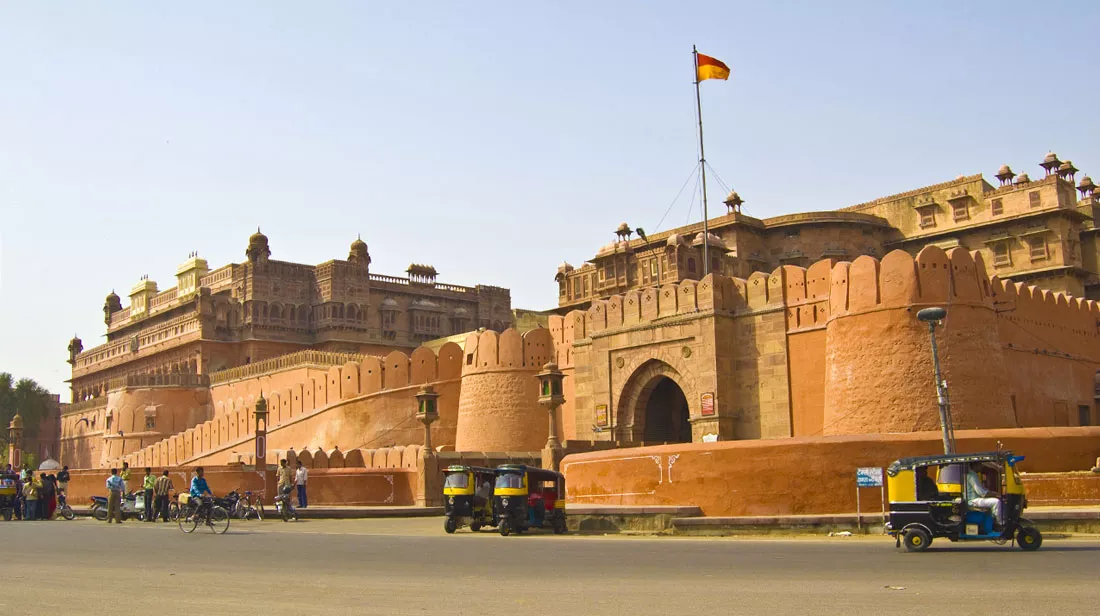
In the afternoon we visit Junagarh Fort, built by Raja Rai Singh. Rai Singh had conquered part of Marwari and had been granted territory in Gujarat and Burhanpur by the Mughal emperor Akbar as a reward for his services as military commander. During his imperial service he travelled extensively, giving him an appreciation of art and architecture. These ideas have been incorporated meticulously into the architectural style of Junagarh Fort. Later we visit camel breeding farm set within the sand Dunes, the only farm of its kind in whole of Asia.
After breakfast we drive to Bikaner and check in our heritage hotel. Lalgarh Palace was built between 1902 and 1926 according to Rajput, Mughal and European architectural styles. The building was commissioned by Maharaja Ganga Singh and was designed by the British architect, Sir Swinton Jacob. It is coated in red sandstone and has several grand halls, lounges, cupolas and pavilions. The building features magnificent pillars, elaborate fireplaces, Italian colonnades and intricate latticework and filigree work. The palace houses the Shri Sadul Museum as well as a large and important collection of Sanskrit manuscripts, the Anup Sanskrit Library.
In the afternoon we visit Junagarh Fort, built by Raja Rai Singh. Rai Singh had conquered part of Marwari and had been granted territory in Gujarat and Burhanpur by the Mughal emperor Akbar as a reward for his services as military commander. During his imperial service he travelled extensively, giving him an appreciation of art and architecture. These ideas have been incorporated meticulously into the architectural style of Junagarh Fort. Later we visit camel breeding farm set within the sand Dunes, the only farm of its kind in whole of Asia.
Meals Included-
Breakfast
-
Dinner
-
-
Day 17 - Bikaner / Mandawa/ Alsisar (Drive: 250 Km/ 6 Hours)
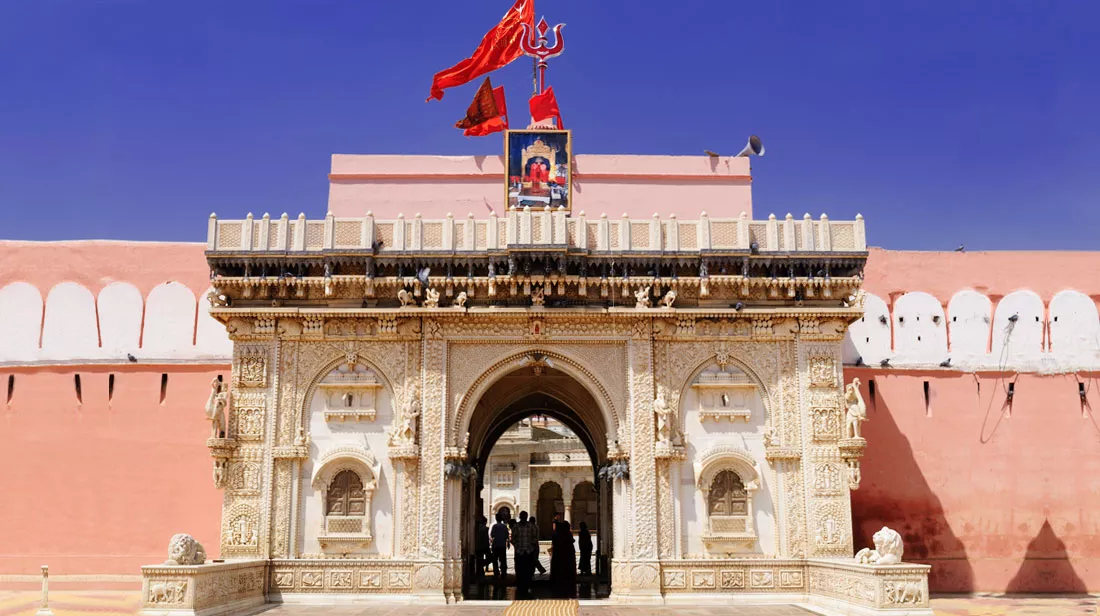 After breakfast we drive to Deshnoke to visit the famous Rat Temple dedicated to the Goddess Karni Mata. This ornate, isolated Hindu temple was constructed by Maharaja Ganga Singh in the early 1900s as a tribute to the rat goddess, Karni Mata. Intricate marble panels line the entrance and the floors, and silver and gold decorations are found throughout. But by far the most intriguing aspect of the interior are approximately 20,000 rats that call this temple home. These holy animals are called kabbas, and many people travel great distances to pay their respects.
Later we drive to Mandawa, one of the finest of the small towns in the Shekhawati region. We explore Mandawa’s famous "The Open-Air Art Gallery of Rajasthan", visiting havelis, where the walls have been decorated with beautiful frescos depicting different aspects of the life in Rajasthan. From here we continue our drive to Alsisar and check in at Alsisar Mahal.
Meals Included-
Breakfast
-
Dinner
-
- Day 18 - Alsisar / Delhi (Drive: 260 Km/ 6 Hours)
- - Breakfast
- - Lunch
- - Dinner
* DENOTES UNESCO WORLD HERITAGE SITES INCLUDED
 Loading accommodation…
Frequently asked questions
Common questions about this tour — expand any item for details.
- 01 Is tipping included and if not, how much should I budget?
- 02 Can I book extra nights of hotel accommodation before or after my tour?
- 03 Who are my travelling companions?
- 04 How many people can join a tour?
- 05 What are the age restrictions on your tours?
- 06 I'm a single traveler, will I be charged a single supplement?
- 07 Can you provide me with a list of the hotels we will be staying at?
- 08 Can I join a tour late or leave it early?
- 09 Are airport transfers included?
- 10 What type of ground transportation is used on your tours?
- 11 Do your tours include international airfare?
- 12 What clothing should I pack for one of your tours?
- 13 What vaccinations are recommended for this tour?
- 14 What is the most appropriate type of luggage to bring?
Traveller reviews
What guests say about Royal Rajasthan with Varanasi and Khajuraho.
There are no reviews yet. Royal Rajasthan with Varanasi and Khajuraho remains a popular choice for travellers exploring India.
Loading gallery…
Log in to view dates & prices
Please sign in or create an account to see departure dates, pricing, and book online.

Top Tours
Hand-picked journeys travellers loved most this season.
Loading top tours…