
Heart & Soul of India
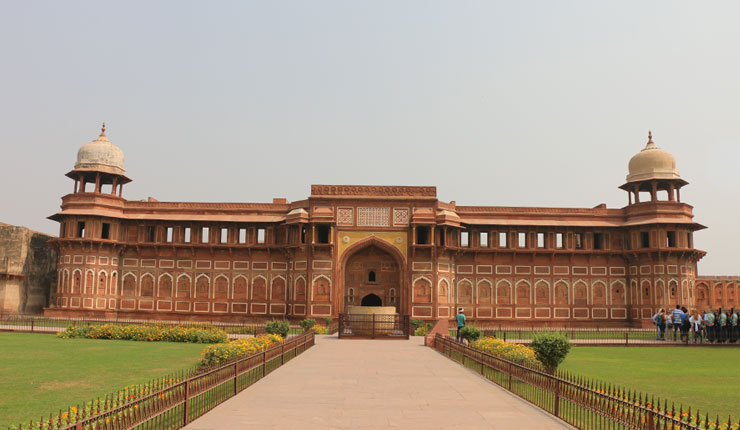
The tour gives an insight to the ethos and heritage India has to offer, covering 13 UNESCO World Heritage sites. The major highlight is to witness the retreat ceremony at Indo-Pak border where the military drill by both nations emotes patriotism. Experience the bustling bazars of Old Delhi and a rickshaw ride through the narrow lanes of Chandni Chowk. The royalty can be experienced in Jaipur while tuning with the devout at Ujjain and Maheshwar marks the versatility of this journey. Splash in the beaches of Goa for complete relaxation. Finally, end the journey in the financial capital city: Mumbai where you will visit Elephanta caves on a small island converging both Hinduism and Buddhism
-
Destinations
India, North India, Rajasthan , West India, The Heart of India, Goa -
Cities Covered New Delhi, Amritsar, Jaipur, Fatehpur Sikri, Agra, Bhopal, Ujjain, Indore, Maheshwar, Jalgaon, Aurangabad, Goa, Mumbai
-
Ratings 1 Review5/5
-
Activity Level Active
-
Group Size Min Group Size: 1 |
Max Group Size: 9
Tour Highlights
This 21 days tour gives you a glimpse of North, central and western part of India and takes you to the innumerable monuments, exquisitely carved temples, Golden Temple of Amritsar, Stupas, forts and palaces, beaches of Goa and terminates at Mumbai.
UNESCO listed caves in Aurangabad and Mumbai namely Ajanta & Elora and Elephanta Caves are the pride of India. Witness the importance of religion and its strong beliefs in Ujjain and Maheshwar. Relaxation too is well taken care of. Beaches of Goa just serve the purpose correctly.
Delve into this rollercoaster ride of exploring the ‘Heart & Soul of India’ with us covering 7 major states of India
World Heritage Sites
UNESCO-listed landmarks you will visit or explore on this itinerary.
13 sites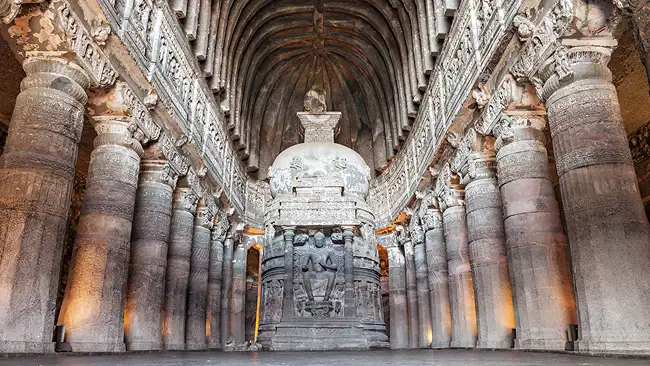

Tour Itinerary at Glance
| Day 1: | Arrive Delhi | |
| Day 2: | Delhi |
|
| Day 3: | Delhi- Amritsar – by Shatabdi Express: - Train # 12029- Swarna Shatabdi, Departure: 07:20 Hrs, Arrival: 13:25 Hrs. |
|
| Day 4: | Amritsar – Delhi by Train # 12030- Swarna Shatabdi, Departure: 17:00 Hrs, Arrival: 23:05 Hrs |
|
| Day 5: | Delhi – Jaipur (Drive 262 kms / 6 Hours) |
|
| Day 6: | Jaipur |
|
| Day 7: | Jaipur – Agra Via Fatehpur Sikri (Drive: 245 Kms/ 5 Hours) |
|
| Day 8: | Agra |
|
| Day 9: | Agra – Bhopal:- Train #2002 – Bhopal Shatabdi, Departure:- 08:15 Hrs, Arrival:- 14:05 Hrs |
|
| Day 10: | Bhopal:- visit to Sanchi, Udaygiri and Bhimbetka Caves |
|
| Day 11: | Bhopal – Ujjain – Indore (Drive: 210 kms / 4 Hours) |
|
| Day 12: | Indore –Mandu –Maheshwar (Drive: 110 kms / 2 Hours) |
|
| Day 13: | Maheshwar |
|
| Day 14: | Maheshwar – Jalgaon (Drive 275 kms/6 Hours) |
|
| Day 15: | Jalgaon / Aurangabad (Drive 170 Kms / 4 Hours) |
|
| Day 16: | Aurangabad |
|
| Day 17: | Aurangabad – Mumbai - Goa: - Flight |
|
| Day 18: | Goa |
|
| Day 19: | Goa- Mumbai- Flight: |
|
| Day 20: | Mumbai |
|
| Day 21: | Mumbai - Home |
|
- - Breakfast
- - Lunch
- - Dinner
The tour package inclusions and exclusions
The tour package booking terms and conditions
Before you book a trip with “Bestway2india.com”- An online trading entity of Bestway Tours and Safaris Pvt Ltd , please take the time to read and understand the booking terms and conditions & additional special conditions which apply to certain trips ,themes and promotional offers. These booking conditions form the basis of your contract with “Bestway Tours & Safaris Pvt. Ltd, Suite 403, Suncity Trade Tower, Sector 21, Gurgaon (National Capital Region), Haryana – 122016, (India) , A company incorporated under Indian companies ACT 1956 vide registration number 55-51646
By asking us to confirm your booking, you confirm that you have had the opportunity to read and have read these booking conditions, Essential trip information, Inclusions & Exclusions and cancellation & refund policy and agree to be bound by them.
These booking conditions only apply to holiday arrangements which you book with us on https://www.bestway2india.com (An online trading entity of Bestway Tours & Safaris Pvt Ltd) and which we agree to make , provide, or perform (as applicable) as part of our contract with you. All references in these booking conditions, to “holiday”, “booking”, “contract”, “package”, “tour” or “arrangements” mean such holiday arrangements unless otherwise stated.
Essential Trip Information
Booking Deposit, Cancellation and Refund Policy
Expand All
-
Day 1 - Arrive Delhi
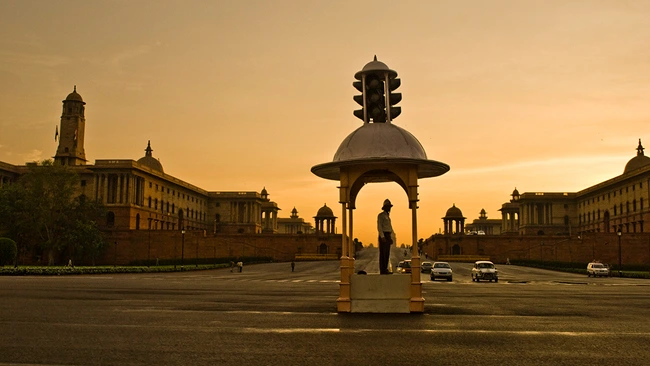 Namaste! We are welcomed the traditional Indian way with hands clapped together. After immigration and custom formalities, we are met and transferred to Our Hotel.
-
Day 2 - Delhi
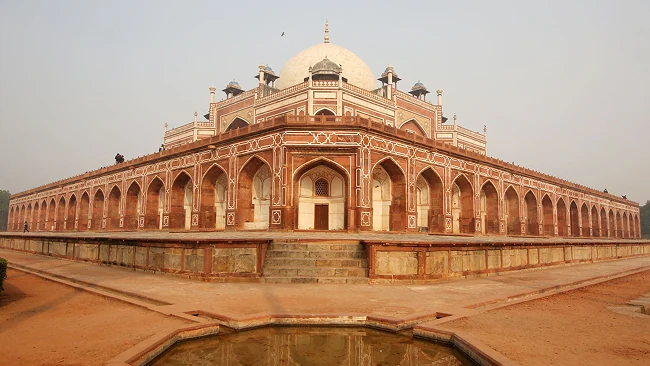
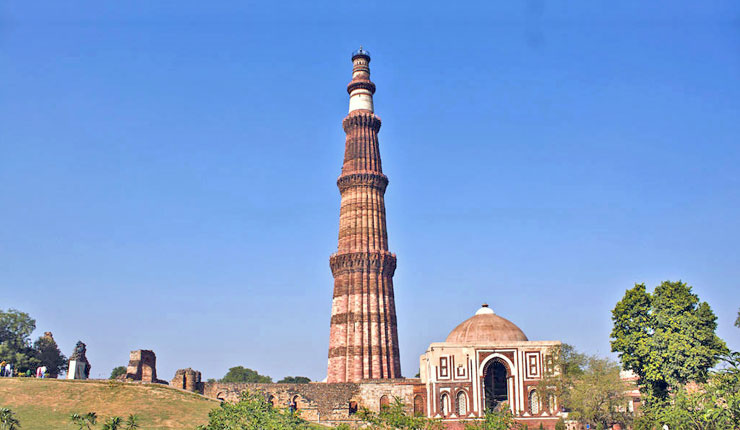
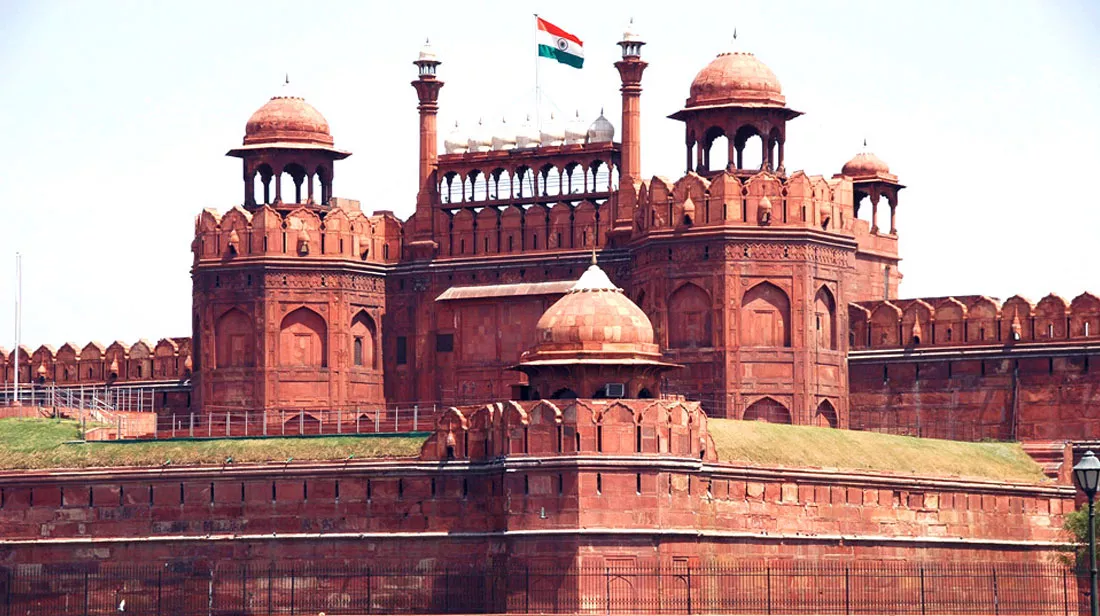 The capital of India is a true reflection of the old and new of India. We start our morning tour with New Delhi and visit the famous India Gate followed by the Houses of Parliament, Connaught Place, Humayun's Tomb and the Qutb Minar - a perfect minaret towering 102 meters / 112 yards into the sky. New Delhi is a blend of Mughal India, Hindu India, British India and certainly of modern independent India.
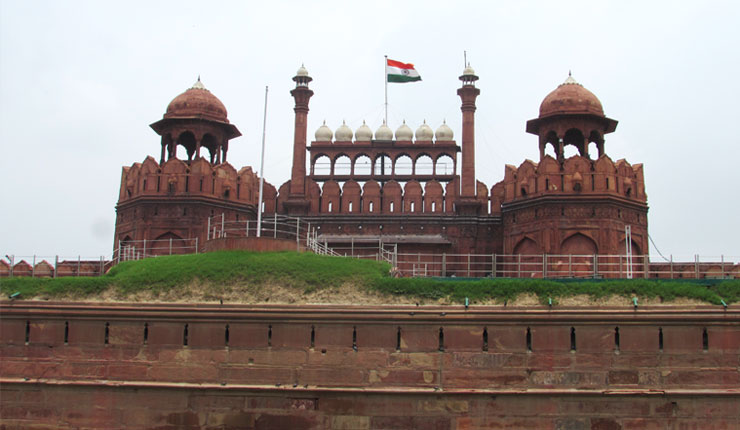
Our afternoon concentrates on Old Delhi, starting with the famous Red Fort. Built by Shah Jehan, this was once the most opulent fort of the Mughal Empire. Next, we visit another Mughal majesty, the Jama Masjid, India's largest mosque. We end our tour with the visit to Raj Ghat, the cremation site of Mahatma Gandhi.
Please Note: Red fort and Birla House are closed on Monday and Chandni Chowk is closed on Sunday
Meals Included
The capital of India is a true reflection of the old and new of India. We start our morning tour with New Delhi and visit the famous India Gate followed by the Houses of Parliament, Connaught Place, Humayun's Tomb and the Qutb Minar - a perfect minaret towering 102 meters / 112 yards into the sky. New Delhi is a blend of Mughal India, Hindu India, British India and certainly of modern independent India.
Our afternoon concentrates on Old Delhi, starting with the famous Red Fort. Built by Shah Jehan, this was once the most opulent fort of the Mughal Empire. Next, we visit another Mughal majesty, the Jama Masjid, India's largest mosque. We end our tour with the visit to Raj Ghat, the cremation site of Mahatma Gandhi.
Please Note: Red fort and Birla House are closed on Monday and Chandni Chowk is closed on Sunday
Meals Included-
Breakfast
-
-
Day 3 - Delhi- Amritsar – by Shatabdi Express: - Train # 12029- Swarna Shatabdi, Departure: 07:20 Hrs, Arrival: 13:25 Hrs.
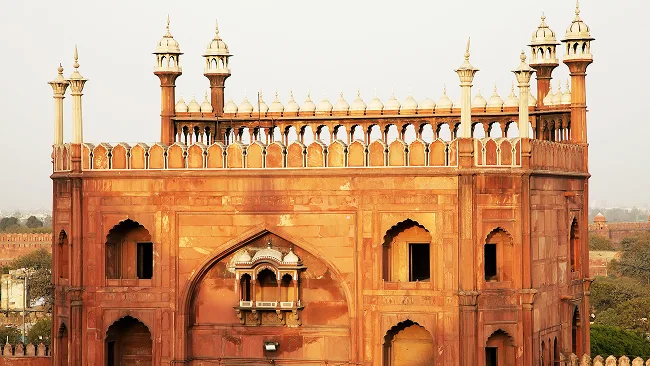 In the morning we are transferred to railway station for our train to Amritsar. On arrival in Amritsar, we are transferred to our Hotel. In the afternoon we visit Indo-Pak Border to watch retreat ceremony-30 KM on the road to Lahore is India-Pakistan Border. A visit to the border is an interesting experience especially at Sunset, when the retreat ceremony takes place with the Border Security Force on the Indian Side and the Sutlej Rangers on the Pakistan side putting up a well-coordinated and spectacular display. The sound from the Bugles blown together from both sides paints past on the canvas when India and Pakistan were one, simultaneously Flags of the two nations are ceremoniously retrieved and lights are switched on marking the end of the day. Amidst thunderous applause today this point is the only land route open to approach Pakistan and central Asia.
Meals Included
In the morning we are transferred to railway station for our train to Amritsar. On arrival in Amritsar, we are transferred to our Hotel. In the afternoon we visit Indo-Pak Border to watch retreat ceremony-30 KM on the road to Lahore is India-Pakistan Border. A visit to the border is an interesting experience especially at Sunset, when the retreat ceremony takes place with the Border Security Force on the Indian Side and the Sutlej Rangers on the Pakistan side putting up a well-coordinated and spectacular display. The sound from the Bugles blown together from both sides paints past on the canvas when India and Pakistan were one, simultaneously Flags of the two nations are ceremoniously retrieved and lights are switched on marking the end of the day. Amidst thunderous applause today this point is the only land route open to approach Pakistan and central Asia.
Meals Included-
Breakfast
-
-
Day 4 - Amritsar – Delhi by Train # 12030- Swarna Shatabdi, Departure: 17:00 Hrs, Arrival: 23:05 Hrs
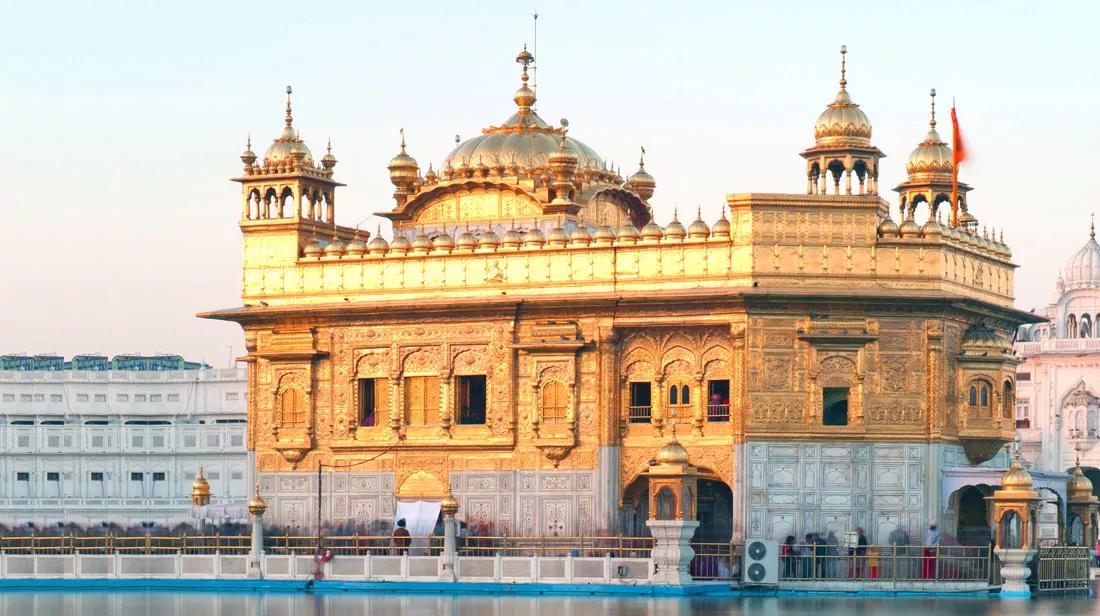 In the morning we visit Golden Temple - the Holy Scripture is brought in a vivid procession from the Akal Takhat (the highest temporal seat of the Sikhs) in the morning to the temple to be returned at night. Singing is central to Sikh worship & is a feast to the souls when hymns from the Holy Scripture are recited Kirtan and the waves of the classical ragas, a sublime blend of voice & music. Next, we visit Jallianwala Bagh - the historic site where hundreds of innocent Indian men, women and children were massacred by British General Michael Dyer on April 13, 1919. A memorial and Garden have been created here as a national monument. In the afternoon we are transferred to railway station for train to Delhi. On arrival in Delhi, we are transferred to our Hotel
Meals Included
In the morning we visit Golden Temple - the Holy Scripture is brought in a vivid procession from the Akal Takhat (the highest temporal seat of the Sikhs) in the morning to the temple to be returned at night. Singing is central to Sikh worship & is a feast to the souls when hymns from the Holy Scripture are recited Kirtan and the waves of the classical ragas, a sublime blend of voice & music. Next, we visit Jallianwala Bagh - the historic site where hundreds of innocent Indian men, women and children were massacred by British General Michael Dyer on April 13, 1919. A memorial and Garden have been created here as a national monument. In the afternoon we are transferred to railway station for train to Delhi. On arrival in Delhi, we are transferred to our Hotel
Meals Included-
Breakfast
-
-
Day 5 - Delhi – Jaipur (Drive 262 kms / 6 Hours)
 Morning after breakfast we take a countryside drive to Jaipur, the rose pink capital of Rajasthan. Jaipur, filled with frenetic crowds, Rajasthan's chaotic, dusky - pink capital is a place of wild contrasts, bombarding the senses at every turn. Jaipur's old city, it's rich color deepening and fading according to the light, is lined with long, twinkling bazaars. Like Wacky Races on acid, vegetable - laden camel carts thread their way through streets jam-packed with cars, cows, rickshaws & bicycles. The city owes its name, foundation and careful planning to the great warrior -astronomer Maharaja Jai Singh II (1693 - 1743). On arrival check in to the Hotel. In the evening we visit the famous Lakshmi Narayan Temple to witness the evening prayer ceremony. Birla Mandir or the Lakshmi - Narayan Temple, situated just below the Moti Dungari. This is a modern temple built of white marble on top of a hill, dominating the skyline of south Jaipur. The Birla’s (industrialists who have also built several temples in India) built this temple. The temple has been constructed in white marble and has three domes, each portraying the different approaches to religion. The presiding deities here are Vishnu (One of the Hindu Trilogy Gods) called Narayan and his consort Lakshmi Goddess of wealth and good fortune. The temple is built is white in marble and exterior has carved sculptures of various mythological themes and images of saints. The interior has large panel in marble of mythological proceedings. The images of the deities are placed in the sanctum sanctorum. Built on raised ground, it is surrounded by large lush green gardens
Meals Included
Morning after breakfast we take a countryside drive to Jaipur, the rose pink capital of Rajasthan. Jaipur, filled with frenetic crowds, Rajasthan's chaotic, dusky - pink capital is a place of wild contrasts, bombarding the senses at every turn. Jaipur's old city, it's rich color deepening and fading according to the light, is lined with long, twinkling bazaars. Like Wacky Races on acid, vegetable - laden camel carts thread their way through streets jam-packed with cars, cows, rickshaws & bicycles. The city owes its name, foundation and careful planning to the great warrior -astronomer Maharaja Jai Singh II (1693 - 1743). On arrival check in to the Hotel. In the evening we visit the famous Lakshmi Narayan Temple to witness the evening prayer ceremony. Birla Mandir or the Lakshmi - Narayan Temple, situated just below the Moti Dungari. This is a modern temple built of white marble on top of a hill, dominating the skyline of south Jaipur. The Birla’s (industrialists who have also built several temples in India) built this temple. The temple has been constructed in white marble and has three domes, each portraying the different approaches to religion. The presiding deities here are Vishnu (One of the Hindu Trilogy Gods) called Narayan and his consort Lakshmi Goddess of wealth and good fortune. The temple is built is white in marble and exterior has carved sculptures of various mythological themes and images of saints. The interior has large panel in marble of mythological proceedings. The images of the deities are placed in the sanctum sanctorum. Built on raised ground, it is surrounded by large lush green gardens
Meals Included-
Breakfast
-
-
Day 6 - Jaipur
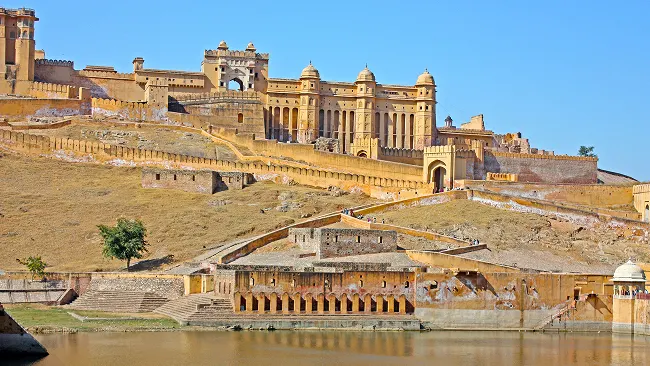
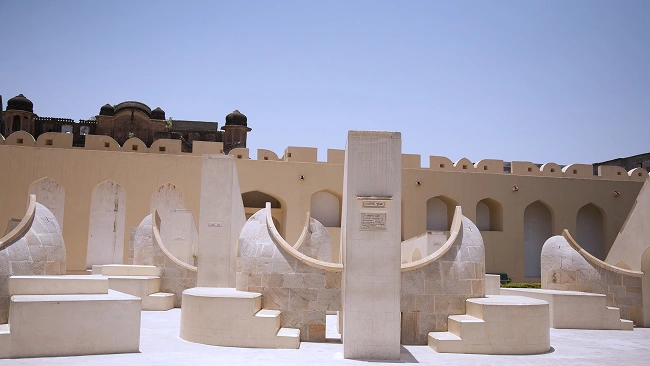
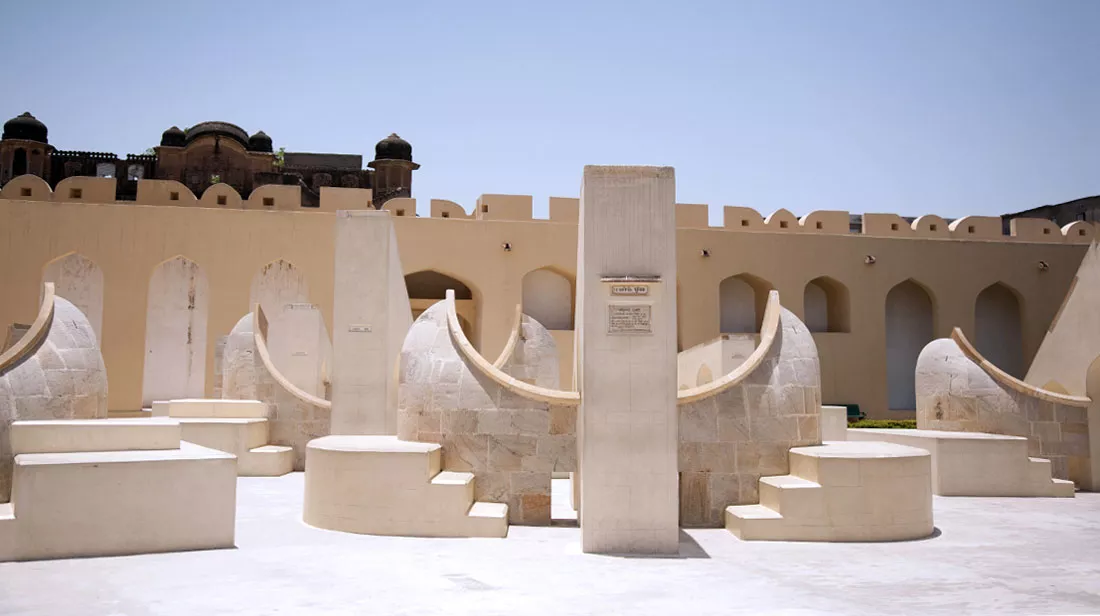
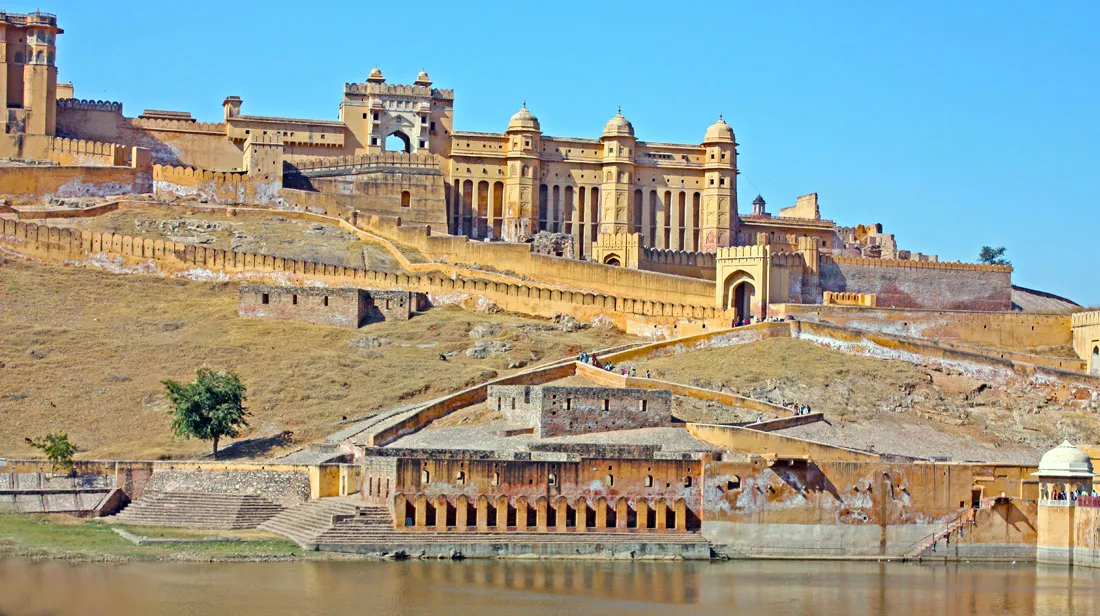 Today we explore Amber Palace, a distinguished example of 17th Century Rajput architecture. Located in a valley formed by a range of Aravallis known as Kalikho hills. The Palace and Fort are located on top of the hill with the city on slopes, and the valley protected by fort walls with four gates in the four cardinal directions. The construction of the fort began in 1592. It shows the evolution from the purely defensive fort settlements of the early medieval period to the palace fortress type of architecture typified in the 16th century. This palace fortress was never attacked or invaded. The fort comprises of number of gardens, courtyards and palatial spaces derived from Mughal architecture and are a distinguished example of 17th Century Rajput architecture. We return to Jaipur and experience the art of carpet weaving & block printing. Later we visit the majestic City Palace, which houses a rare collection of Indian art and the beautiful Hawa Mahal, the Palace of Winds, where the ladies of the royal harem used to watch the city from behind the intricately carved facade. We also visit the Jantar Mantar*, an astronomical observation site built in the early 18th century that includes a set of some 20 main fixed instruments designed for the observation of astronomical positions with the naked eye. It is an expression of the astronomical skills and cosmological concepts of the court of a scholarly prince at the end of the Mughal period. The evening is free to enjoy both shopping and the cultural experience in the bazaars. Jaipur is noted for its craftsmen, skilled in brass inlay, lacquer work and stone setting
Meals Included
Today we explore Amber Palace, a distinguished example of 17th Century Rajput architecture. Located in a valley formed by a range of Aravallis known as Kalikho hills. The Palace and Fort are located on top of the hill with the city on slopes, and the valley protected by fort walls with four gates in the four cardinal directions. The construction of the fort began in 1592. It shows the evolution from the purely defensive fort settlements of the early medieval period to the palace fortress type of architecture typified in the 16th century. This palace fortress was never attacked or invaded. The fort comprises of number of gardens, courtyards and palatial spaces derived from Mughal architecture and are a distinguished example of 17th Century Rajput architecture. We return to Jaipur and experience the art of carpet weaving & block printing. Later we visit the majestic City Palace, which houses a rare collection of Indian art and the beautiful Hawa Mahal, the Palace of Winds, where the ladies of the royal harem used to watch the city from behind the intricately carved facade. We also visit the Jantar Mantar*, an astronomical observation site built in the early 18th century that includes a set of some 20 main fixed instruments designed for the observation of astronomical positions with the naked eye. It is an expression of the astronomical skills and cosmological concepts of the court of a scholarly prince at the end of the Mughal period. The evening is free to enjoy both shopping and the cultural experience in the bazaars. Jaipur is noted for its craftsmen, skilled in brass inlay, lacquer work and stone setting
Meals Included-
Breakfast
-
-
Day 7 - Jaipur – Agra Via Fatehpur Sikri (Drive: 245 Kms/ 5 Hours)
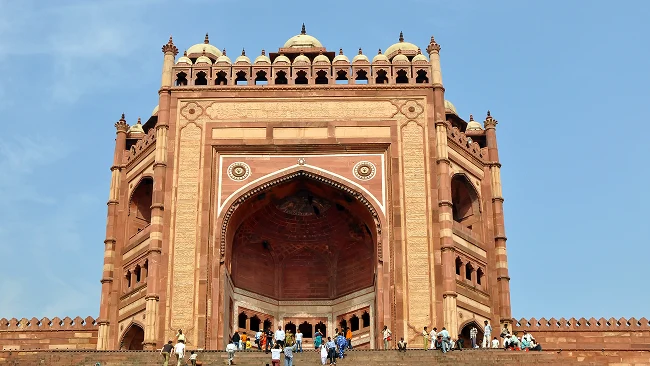
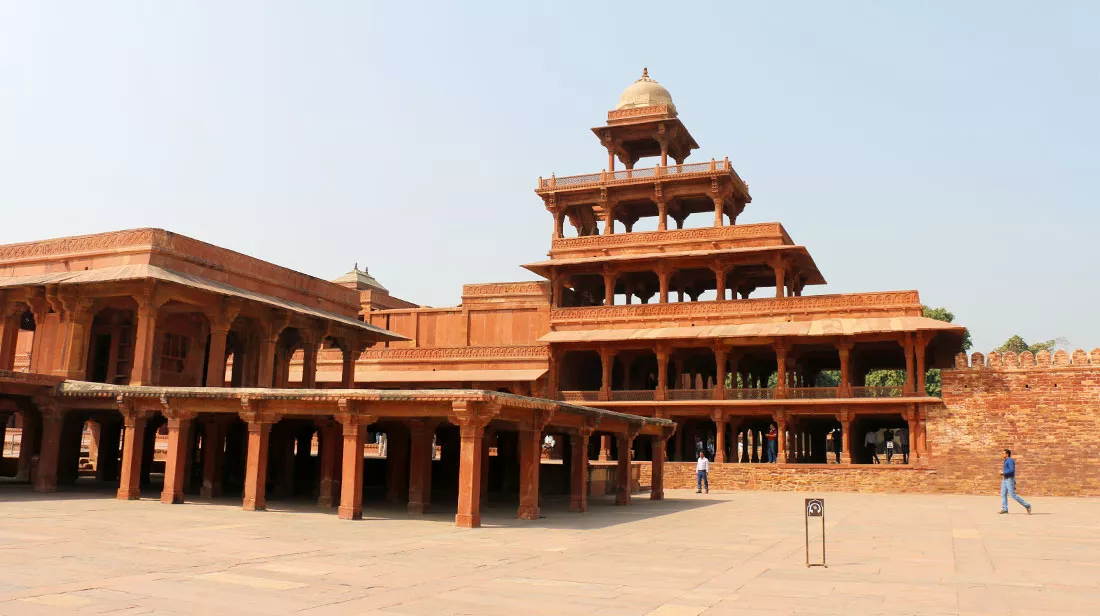 In the morning after breakfast we drive to Agra enroute visiting Fatehpur Sikri the former Mughal capital where we also visit the artistically designed mausoleum of the revered Sufi Saint, Salim Chisty who is reputed to have prayed for a son for Akbar leading to the birth of Salim Jehangir, the father of the builder of the Taj. Pilgrims of all denominations visit this site with their own prayers. From here we continue with our drive to Agra. On arrival in Agra we check in to the Hotel.
Meals Included
In the morning after breakfast we drive to Agra enroute visiting Fatehpur Sikri the former Mughal capital where we also visit the artistically designed mausoleum of the revered Sufi Saint, Salim Chisty who is reputed to have prayed for a son for Akbar leading to the birth of Salim Jehangir, the father of the builder of the Taj. Pilgrims of all denominations visit this site with their own prayers. From here we continue with our drive to Agra. On arrival in Agra we check in to the Hotel.
Meals Included-
Breakfast
-
-
Day 8 - Agra
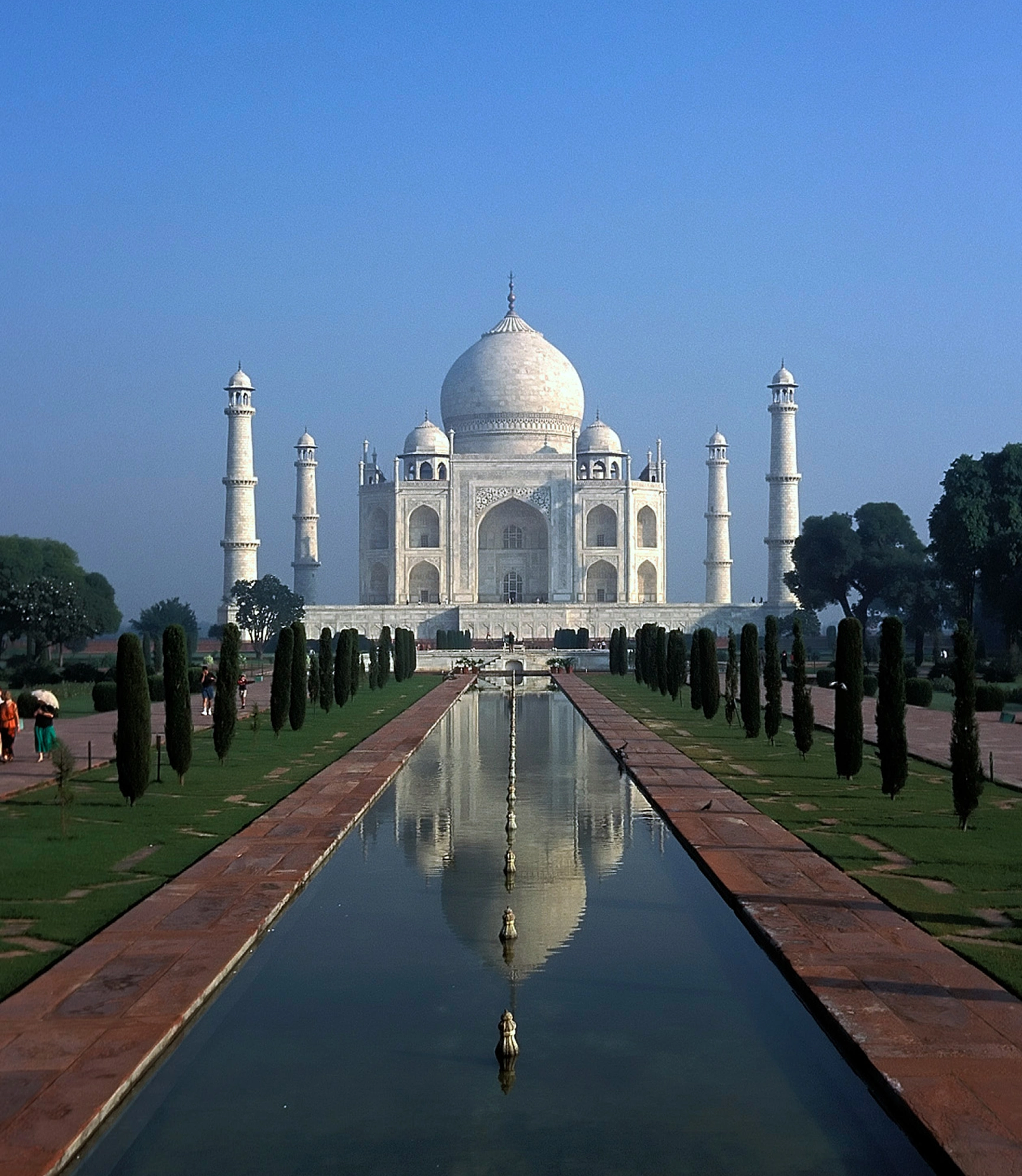
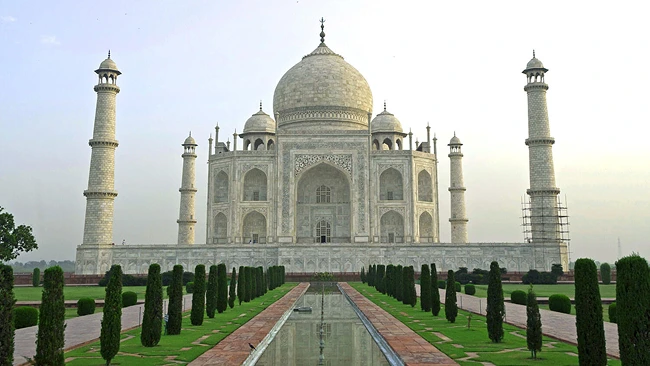
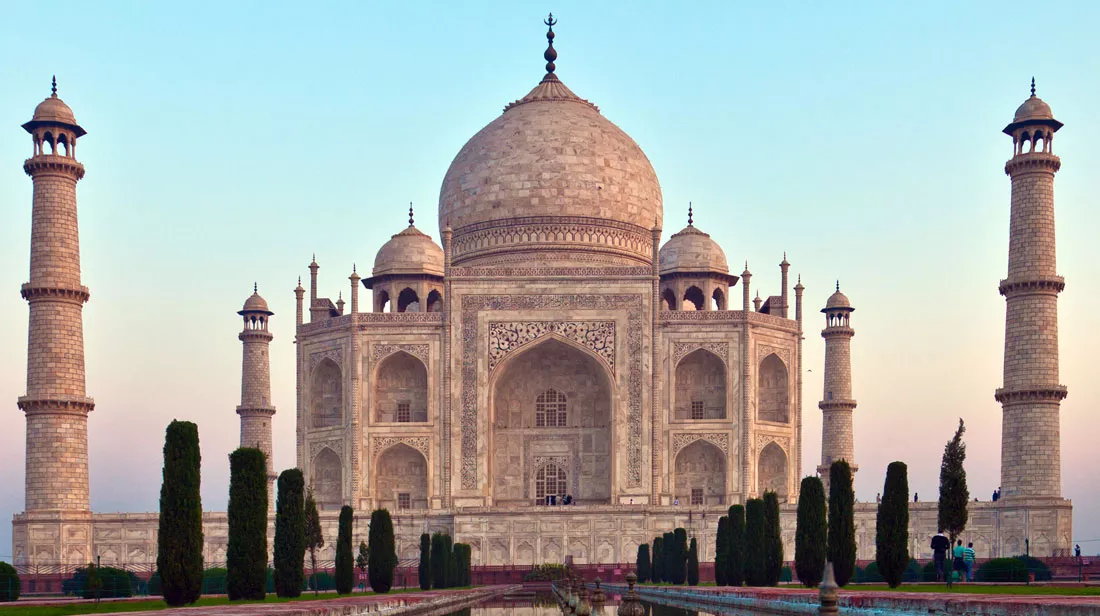 We start our day with a visit to one of the most well known wonders of the world, the Taj Mahal. Built by Shah Jehan as a mausoleum for his favorite wife, Mumtaz Mahal, the Taj is built of white marble, beautifully carved and inlaid with semi-precious stones. Next we visit Agra Fort, where Shah Jehan, in the later years of his life, was imprisoned by his son to prevent him from spending the family fortunes on a black echo of the Taj Mahal. We also visit Itmad-Ud-Daulah , often called as Baby Taj. A highly ornate edifice, this mausoleum is considered as the imminent precursor of the Taj Mahal as far as elaborate carvings and inlay work are concerned. Though the structure does not have much to offer architecturally, it makes a clear departure from the earlier Mughal tombs built during the period and is more softer and with a lot of inlay carvings. We end our tour with a visit to some of the local factories famous for inlay work on marbles and witness the complex art inlaying precious and semiprecious stones on the world famous Marbles for the mines of Makrana.
Please Note: Taj Mahal remains closed on Friday’s.
Meals Included
We start our day with a visit to one of the most well known wonders of the world, the Taj Mahal. Built by Shah Jehan as a mausoleum for his favorite wife, Mumtaz Mahal, the Taj is built of white marble, beautifully carved and inlaid with semi-precious stones. Next we visit Agra Fort, where Shah Jehan, in the later years of his life, was imprisoned by his son to prevent him from spending the family fortunes on a black echo of the Taj Mahal. We also visit Itmad-Ud-Daulah , often called as Baby Taj. A highly ornate edifice, this mausoleum is considered as the imminent precursor of the Taj Mahal as far as elaborate carvings and inlay work are concerned. Though the structure does not have much to offer architecturally, it makes a clear departure from the earlier Mughal tombs built during the period and is more softer and with a lot of inlay carvings. We end our tour with a visit to some of the local factories famous for inlay work on marbles and witness the complex art inlaying precious and semiprecious stones on the world famous Marbles for the mines of Makrana.
Please Note: Taj Mahal remains closed on Friday’s.
Meals Included-
Breakfast
-
-
Day 9 - Agra – Bhopal:- Train #2002 – Bhopal Shatabdi, Departure:- 08:15 Hrs, Arrival:- 14:05 Hrs
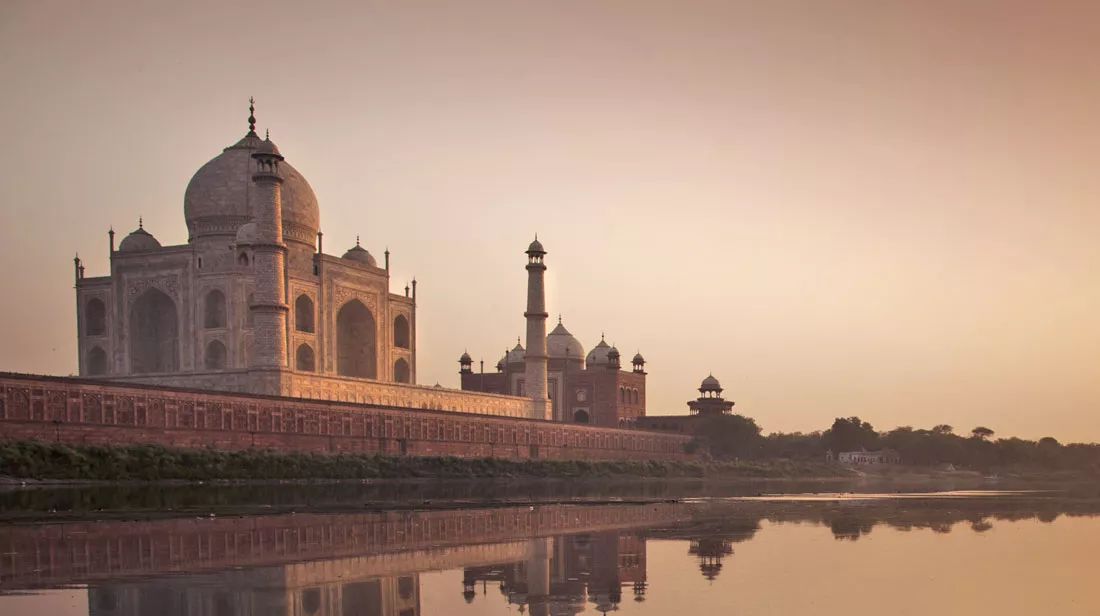 Today we are transferred to railway station for our train to Bhopal. On arrival, we check in at our Hotel. Our tour of Bhopal, capital of Madhya Pradesh will be an interesting insight. This modern, beautiful, and historical city is located in the same place, where the 11th century Bhojapal city, founded by Raja Bhoja, once stood. Bhopal was rediscovered by Dost Mohammad (1708-1740), an Afghan soldier. Bhopal is known as the city of Mosques – most of which were built by the Begums (Queens) of Bhopal, who ruled the city. The Jama Masjid with its Gold spikes crowns the minarets, the Moti Masjid -architecturally akin to Delhi's Jama Masjid, Taj-ul-Masjid is one of the largest mosques in Asia and is a fascinating example of Islamic architecture with Quibla wall in the prayer hall carved with 11 recessed arches and the mimbar made of black basalt. Our tour gives us a good impression of the majesty of Islamic architecture. Overnight: Hotel in Bhopal
Meals Included
Today we are transferred to railway station for our train to Bhopal. On arrival, we check in at our Hotel. Our tour of Bhopal, capital of Madhya Pradesh will be an interesting insight. This modern, beautiful, and historical city is located in the same place, where the 11th century Bhojapal city, founded by Raja Bhoja, once stood. Bhopal was rediscovered by Dost Mohammad (1708-1740), an Afghan soldier. Bhopal is known as the city of Mosques – most of which were built by the Begums (Queens) of Bhopal, who ruled the city. The Jama Masjid with its Gold spikes crowns the minarets, the Moti Masjid -architecturally akin to Delhi's Jama Masjid, Taj-ul-Masjid is one of the largest mosques in Asia and is a fascinating example of Islamic architecture with Quibla wall in the prayer hall carved with 11 recessed arches and the mimbar made of black basalt. Our tour gives us a good impression of the majesty of Islamic architecture. Overnight: Hotel in Bhopal
Meals Included-
Breakfast
-
-
Day 10 - Bhopal:- visit to Sanchi, Udaygiri and Bhimbetka Caves
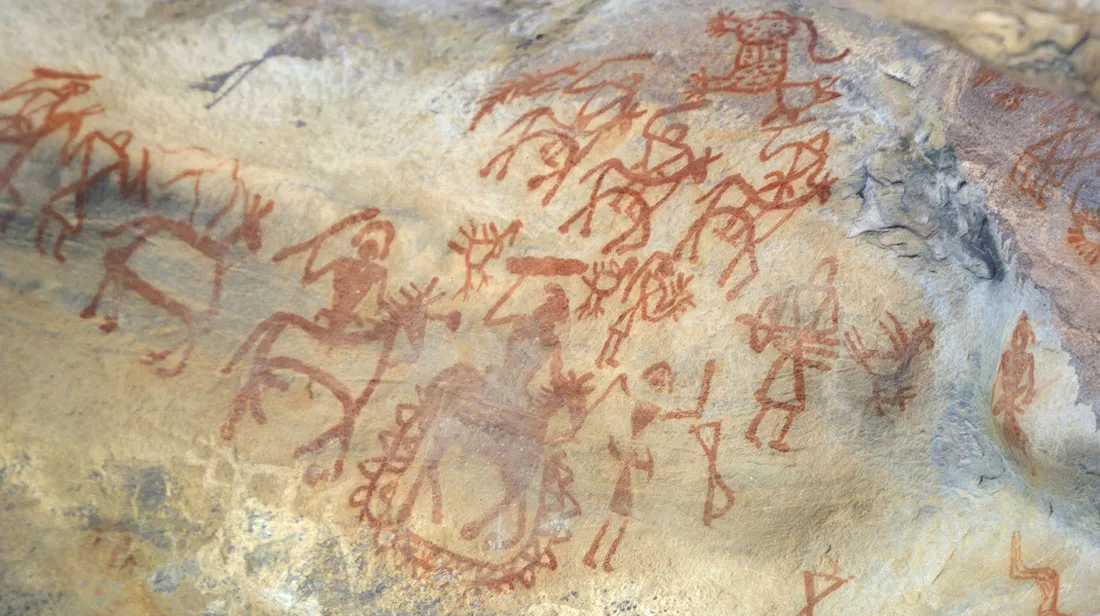 In the morning we explore one of the most intriguing World Heritage Sites in India, Sanchi. Crowning the hilltop of Sanchi nearly 91 meters in height, is a group of Buddhist monuments commanding a grand view. These are most perfect and well-preserved stupas, offering a wide and academic in the study of Buddhist art and architecture. The establishment of Sanchi is an important center of Buddhism and was probably established by the great Maurya emperor Ashoka (273-236 B.C.) in recognition of his marriage to a lady of Vidisha. On our way back we visit Udaygiri Caves 13 km from Sanchi. Udaygiri is word of Sanskrit language meaning “sunrise hills”. These are a group of rock-cut caves sanctuaries carved into a sandstone hill that stands sentinel-like on the horizon. An inscription in one of these states that it was produced during the reign of Chandragupta II (382-401AD), thus dating these caves to 4th - 5th century AD.In the afternoon we visit Bhimbetka Caves - situated 46 km south of Bhopal, has one of the oldest prehistoric paintings of the world. The paintings is these rock shelters are similar to the aboriginal rock paintings in the outback of Australia, the cave paintings of the Bushmen in Kalahari Desert and the Paleolithic Lascaux cave paintings in France. These caves belong to the Neolithic Age. Hidden amid forests of teak and sal in the craggy cliffs, these 1,000 rock shelters are recognized by UNESCO as one of the World Heritage Sites.
Meals Included
In the morning we explore one of the most intriguing World Heritage Sites in India, Sanchi. Crowning the hilltop of Sanchi nearly 91 meters in height, is a group of Buddhist monuments commanding a grand view. These are most perfect and well-preserved stupas, offering a wide and academic in the study of Buddhist art and architecture. The establishment of Sanchi is an important center of Buddhism and was probably established by the great Maurya emperor Ashoka (273-236 B.C.) in recognition of his marriage to a lady of Vidisha. On our way back we visit Udaygiri Caves 13 km from Sanchi. Udaygiri is word of Sanskrit language meaning “sunrise hills”. These are a group of rock-cut caves sanctuaries carved into a sandstone hill that stands sentinel-like on the horizon. An inscription in one of these states that it was produced during the reign of Chandragupta II (382-401AD), thus dating these caves to 4th - 5th century AD.In the afternoon we visit Bhimbetka Caves - situated 46 km south of Bhopal, has one of the oldest prehistoric paintings of the world. The paintings is these rock shelters are similar to the aboriginal rock paintings in the outback of Australia, the cave paintings of the Bushmen in Kalahari Desert and the Paleolithic Lascaux cave paintings in France. These caves belong to the Neolithic Age. Hidden amid forests of teak and sal in the craggy cliffs, these 1,000 rock shelters are recognized by UNESCO as one of the World Heritage Sites.
Meals Included-
Breakfast
-
-
Day 11 - Bhopal – Ujjain – Indore (Drive: 210 kms / 4 Hours)
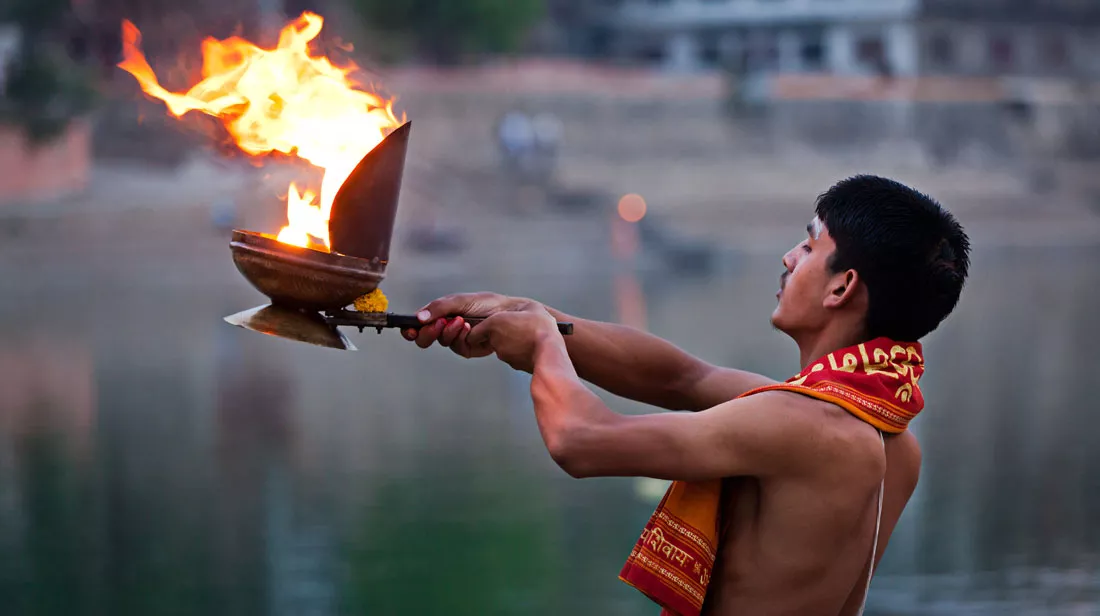 We drive to Indore En-route we visit Ujjain. Here we will see Mahakaleshwar Temple. We arrive Indore and Visit Kanch Mandir and The Lal bagh Palace.
Meals Included
We drive to Indore En-route we visit Ujjain. Here we will see Mahakaleshwar Temple. We arrive Indore and Visit Kanch Mandir and The Lal bagh Palace.
Meals Included-
Breakfast
-
- Day 12 - Indore –Mandu –Maheshwar (Drive: 110 kms / 2 Hours)
- Day 13 - Maheshwar
- Day 14 - Maheshwar – Jalgaon (Drive 275 kms/6 Hours)
-
Day 15 - Jalgaon / Aurangabad (Drive 170 Kms / 4 Hours)
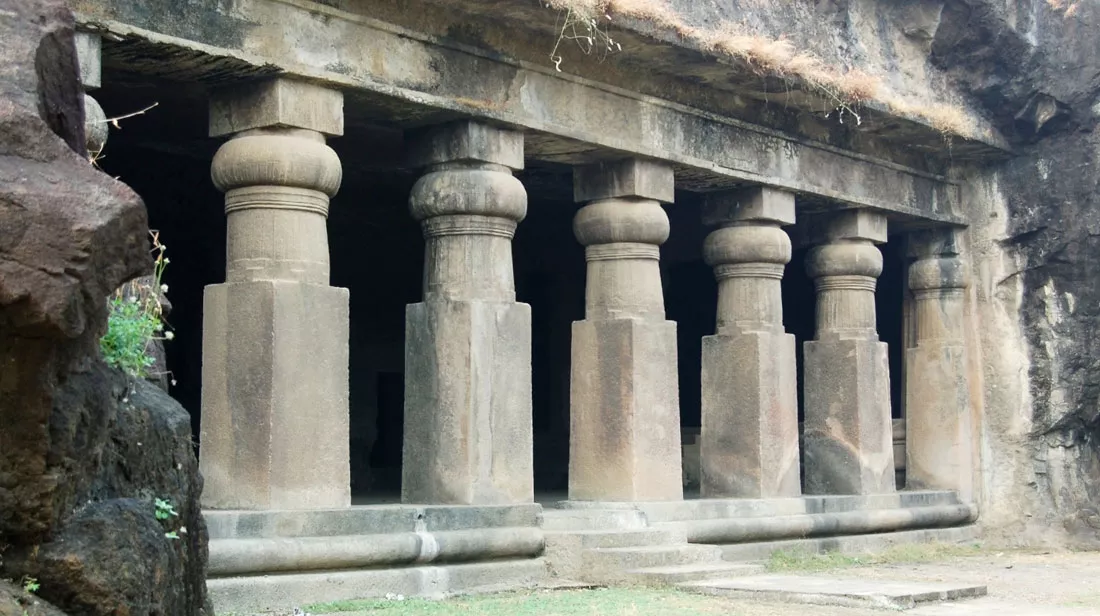 In the morning we drive to Aurangabad en-route visiting the Ajanta Caves. One Hundred and seven Kilometers north-east of Aurangabad are the remarkable rock-cut monuments of Ajanta, containing important examples of Buddhist Architecture and sculpture, and what is undoubtedly the finest and most complete examples of early Buddhist paintings of India. The cave temples are cut into the rocky sites of dramatic crescent shaped gorge at the head of which is a waterfall that feeds the natural pool, the Saptakunda. The earlier monuments date back to the second and first centuries BC.
The Ajanta Carvings of the Mahayana Phase rival those of the Gupta period monuments, to which they are stylistically related, demonstrating the artistic links between Deccan and central India in the fifth century. The series of paintings at Ajanta that cloaks the walls and ceilings is unparalleled in the history of Indian Art, both for the wide range of subjects illustrated and the assured mastery of the medium. The paintings that adorn the walls and ceilings of the caves depict incidents from the life of Buddha and various Buddhist divinities. Among the more interesting paintings are the Jakarta tales, illustrating diverse stories relating to the previous incarnations of the Buddha as Bodhisattva, a saintly being who is destined to become Buddha.
Please Note: Ajanta Caves are closed on Monday.
Meals Included
In the morning we drive to Aurangabad en-route visiting the Ajanta Caves. One Hundred and seven Kilometers north-east of Aurangabad are the remarkable rock-cut monuments of Ajanta, containing important examples of Buddhist Architecture and sculpture, and what is undoubtedly the finest and most complete examples of early Buddhist paintings of India. The cave temples are cut into the rocky sites of dramatic crescent shaped gorge at the head of which is a waterfall that feeds the natural pool, the Saptakunda. The earlier monuments date back to the second and first centuries BC.
The Ajanta Carvings of the Mahayana Phase rival those of the Gupta period monuments, to which they are stylistically related, demonstrating the artistic links between Deccan and central India in the fifth century. The series of paintings at Ajanta that cloaks the walls and ceilings is unparalleled in the history of Indian Art, both for the wide range of subjects illustrated and the assured mastery of the medium. The paintings that adorn the walls and ceilings of the caves depict incidents from the life of Buddha and various Buddhist divinities. Among the more interesting paintings are the Jakarta tales, illustrating diverse stories relating to the previous incarnations of the Buddha as Bodhisattva, a saintly being who is destined to become Buddha.
Please Note: Ajanta Caves are closed on Monday.
Meals Included-
Breakfast
-
-
Day 16 - Aurangabad
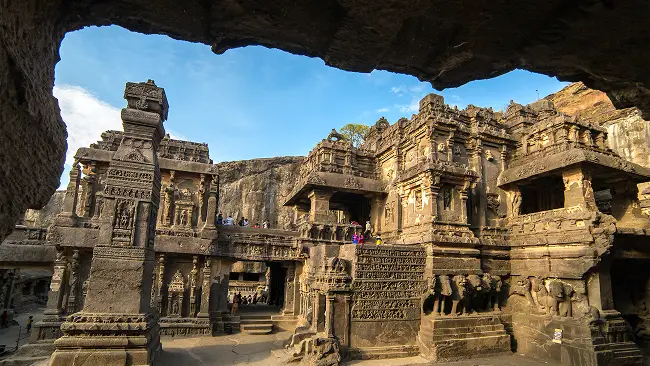
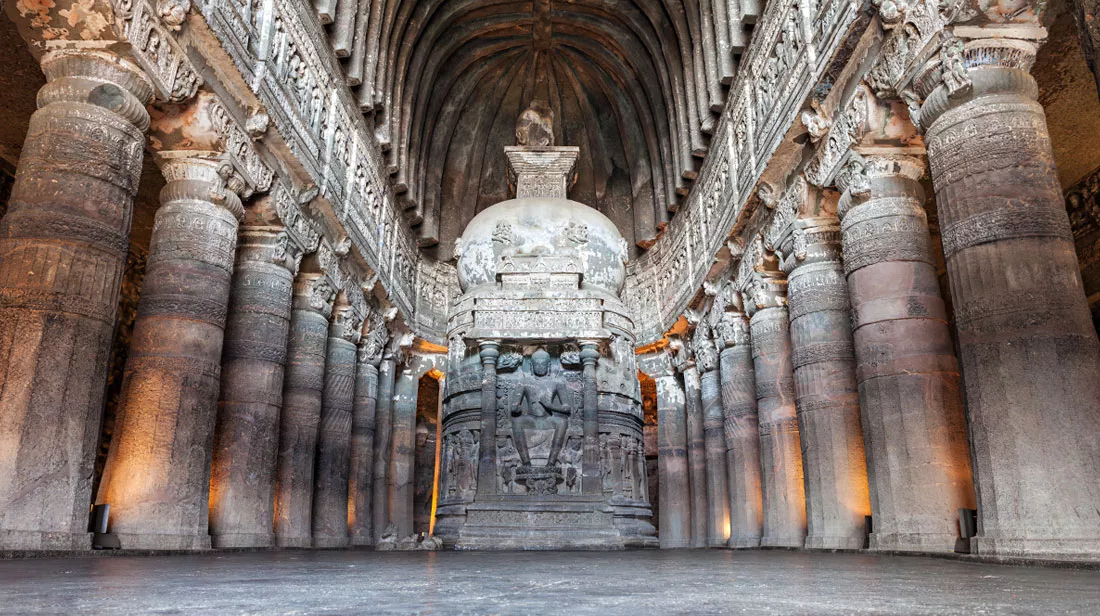 In the morning we visit ELLORA CAVES situated about 18 miles away from the city of Aurangabad - a group of rock temples - posses a magnificent series of Buddhist, Brahmanical and Jain temples of the 9th Century A.D. Kailash Temple, hewn out of a single rock, carved with life size figures of gods and goddesses, is a wonder. There are 34 caves, of which 12 are Buddhist, 17 Hindu and 5 Jain Later we also visit the Daulatabad fort and Bibi-Ka-Maqbra - The Bibi-Ka-Maqbra (19°55’ N; 75°15’ E) is a beautiful mausoleum of Rabia-ul-Daurani alias Dilras Banu Begum, the wife of the Mughal Emperor Aurangazeb (1658-1707 A.D.). This mausoleum is believed to be constructed by Prince Azam Shah in memory of his mother between 1651 and 1661 A.D.
Please Note: Ellora Caves are closed on Tuesday
Meals Included
In the morning we visit ELLORA CAVES situated about 18 miles away from the city of Aurangabad - a group of rock temples - posses a magnificent series of Buddhist, Brahmanical and Jain temples of the 9th Century A.D. Kailash Temple, hewn out of a single rock, carved with life size figures of gods and goddesses, is a wonder. There are 34 caves, of which 12 are Buddhist, 17 Hindu and 5 Jain Later we also visit the Daulatabad fort and Bibi-Ka-Maqbra - The Bibi-Ka-Maqbra (19°55’ N; 75°15’ E) is a beautiful mausoleum of Rabia-ul-Daurani alias Dilras Banu Begum, the wife of the Mughal Emperor Aurangazeb (1658-1707 A.D.). This mausoleum is believed to be constructed by Prince Azam Shah in memory of his mother between 1651 and 1661 A.D.
Please Note: Ellora Caves are closed on Tuesday
Meals Included-
Breakfast
-
-
Day 17 - Aurangabad – Mumbai - Goa: - Flight
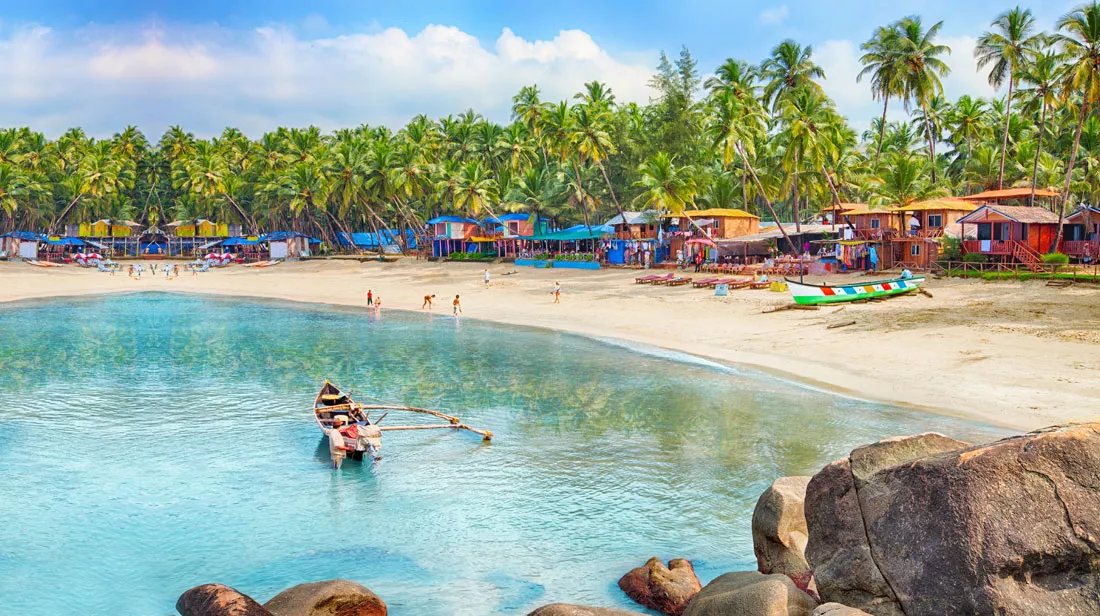 In the morning we take a short flight to Mumbai. On arrival, we change plane and fly to Goa. On arrival in Goa, we are transferred to our Hotel. Goa- The former Portuguese enclave of Goa has a character quite distinct from the rest of the India. Although its renowned 'travelers scene ' and reliance on tourism has changed and shaped aspects of this tiny state in the past two decades, Goa offers much more than just the hedonism of sun, sand and sea. Despite five decades of liberation from Portuguese rule, Roman Catholicism remains a major religion, skirts far outnumbers saris, and Goans display an easygoing tropical indulgence, humor and civility. White washed churches, paddy fields, coconut -palm groves and crumbling forts guarding rocky capes make up the Goan landscape. Markets are lively, colorful affairs, siesta is widely observed during the hot afternoons, and there are feasts and festivities throughout the year. Rest of the day is free to relax on the Beach
Meals Included
In the morning we take a short flight to Mumbai. On arrival, we change plane and fly to Goa. On arrival in Goa, we are transferred to our Hotel. Goa- The former Portuguese enclave of Goa has a character quite distinct from the rest of the India. Although its renowned 'travelers scene ' and reliance on tourism has changed and shaped aspects of this tiny state in the past two decades, Goa offers much more than just the hedonism of sun, sand and sea. Despite five decades of liberation from Portuguese rule, Roman Catholicism remains a major religion, skirts far outnumbers saris, and Goans display an easygoing tropical indulgence, humor and civility. White washed churches, paddy fields, coconut -palm groves and crumbling forts guarding rocky capes make up the Goan landscape. Markets are lively, colorful affairs, siesta is widely observed during the hot afternoons, and there are feasts and festivities throughout the year. Rest of the day is free to relax on the Beach
Meals Included-
Breakfast
-
-
Day 18 - Goa
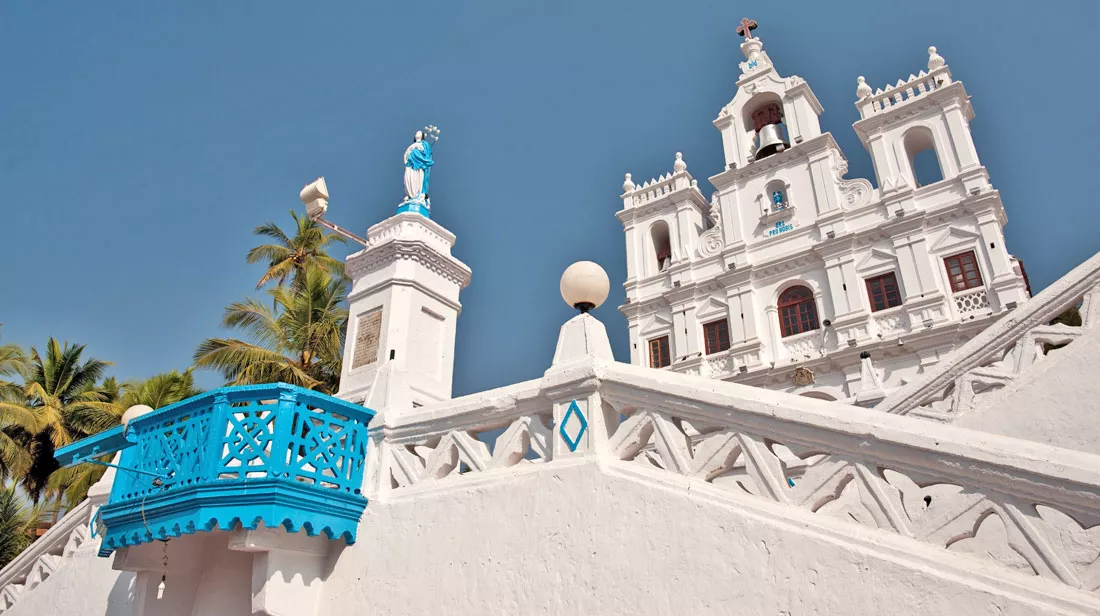 We take a full day tour of South Goa visiting Churches of Old Goa (Basilica of Bom Jesus, Se Cathedral, St. Francis of Assisi, St. Cajetan Church), Shree Shanta Durga Temple & Panjim City with Latin Quarters
Meals Included
We take a full day tour of South Goa visiting Churches of Old Goa (Basilica of Bom Jesus, Se Cathedral, St. Francis of Assisi, St. Cajetan Church), Shree Shanta Durga Temple & Panjim City with Latin Quarters
Meals Included-
Breakfast
-
-
Day 19 - Goa- Mumbai- Flight:
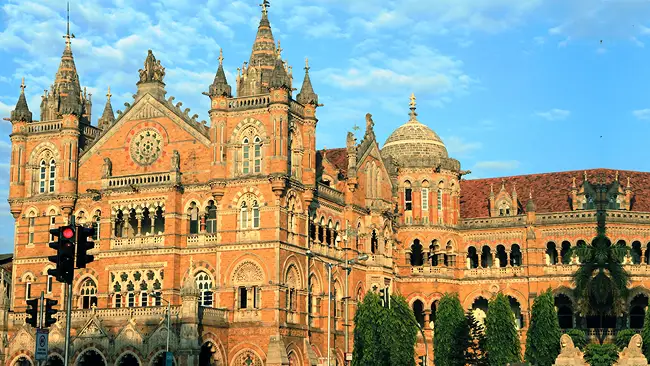
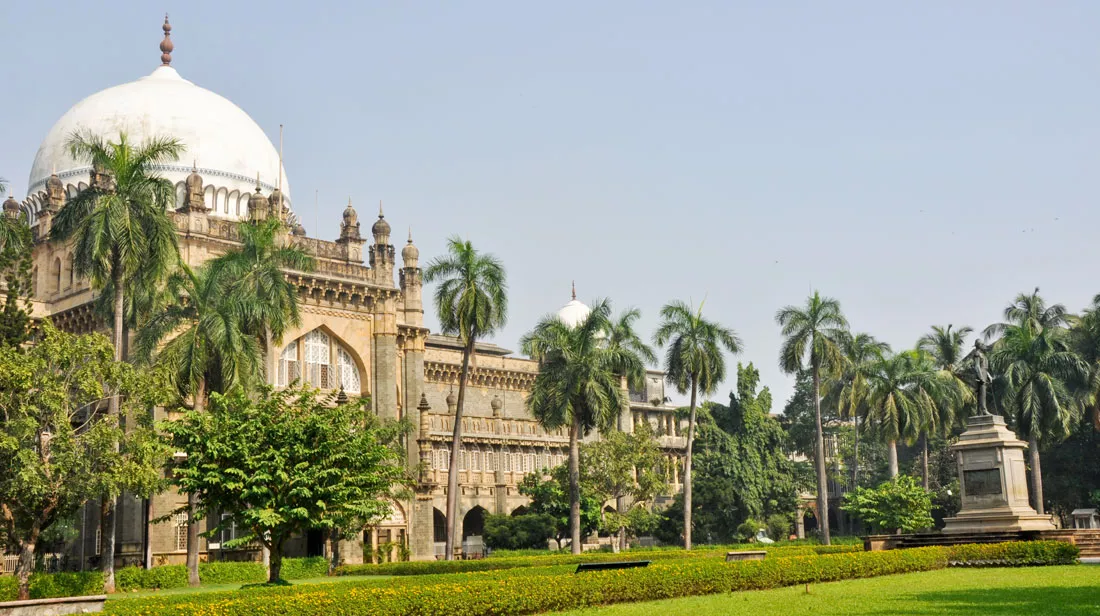
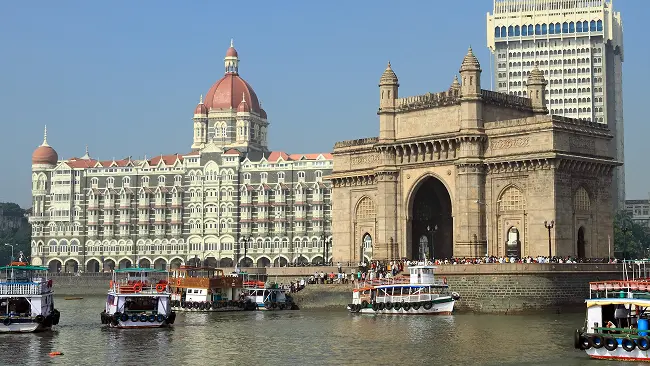
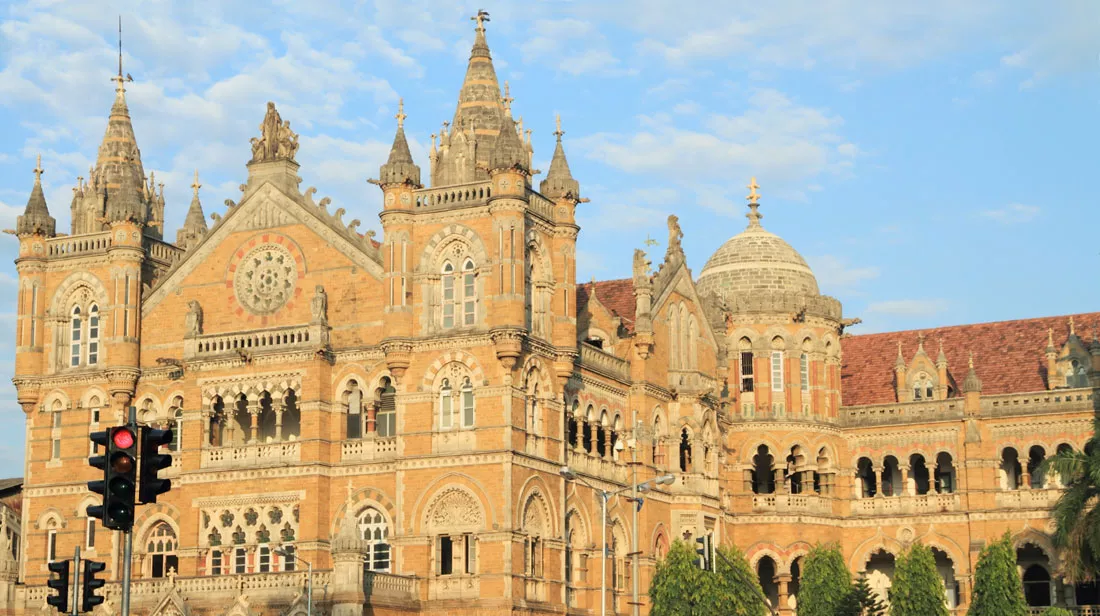 Transfer to airport for flight to Mumbai. On arrival check in at the Hotel. Later our experience of Bombay or Mumbai starts with - Gateway of India- Mumbai's most famous monument; this is the starting point for most tourists who want to explore the city. We also visit Hanging gardens, the bustling Crawford Market, Haji Ali - Across a rocky path that meanders into the sea from Mahalaxmi Temple, you can see a cluster of ethereal white domes floating on the water. This is Haji Ali Dargah, the tomb of a wealthy Muslim merchant, who renounced all his worldly belongings before embarking on a pilgrimage to Mecca. Next we visit Flora Fountain and the Dhobi Ghats - a vast outdoor laundry & the Prince of Wales Museum & Victoria Terminus which is recently added to the world heritage site. This is a city's most exuberant Gothic building look more like a lavishly decorated palace or cathedral than something as mundane as a transport depot - don't wait until you have to catch a train to see it. It was designed by Frederick Stevens as the headquarters of the Great Indian Peninsular Railway Company and was completed in 1887; 34 years after the first train in India left this site on its way to nearby Thana. Evening is free for shopping and personal activities
Meals Included
Transfer to airport for flight to Mumbai. On arrival check in at the Hotel. Later our experience of Bombay or Mumbai starts with - Gateway of India- Mumbai's most famous monument; this is the starting point for most tourists who want to explore the city. We also visit Hanging gardens, the bustling Crawford Market, Haji Ali - Across a rocky path that meanders into the sea from Mahalaxmi Temple, you can see a cluster of ethereal white domes floating on the water. This is Haji Ali Dargah, the tomb of a wealthy Muslim merchant, who renounced all his worldly belongings before embarking on a pilgrimage to Mecca. Next we visit Flora Fountain and the Dhobi Ghats - a vast outdoor laundry & the Prince of Wales Museum & Victoria Terminus which is recently added to the world heritage site. This is a city's most exuberant Gothic building look more like a lavishly decorated palace or cathedral than something as mundane as a transport depot - don't wait until you have to catch a train to see it. It was designed by Frederick Stevens as the headquarters of the Great Indian Peninsular Railway Company and was completed in 1887; 34 years after the first train in India left this site on its way to nearby Thana. Evening is free for shopping and personal activities
Meals Included-
Breakfast
-
-
Day 20 - Mumbai
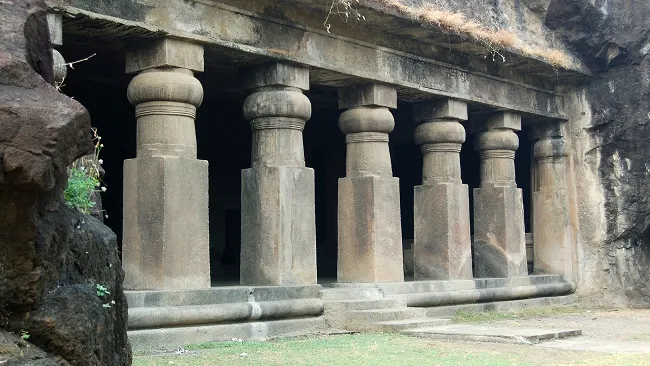
 After breakfast we take an excursion to the world famous Elephanta Caves. Little is known about their origins, but they are thought to have been created between AD 450 and 750, when the island was known as Gharapuri (Place of Caves). The Portuguese renamed it Elephanta because of a large stone elephant near the shore. There is one main cave with a number of large sculptured panels, all-relating to Shiva. The most famous of the panels is the Trimurti (Triple headed) Shiva, where the god is depicted as destroyer, preserver, and creator. There are also figures of Shiva dancing the Tandava, the marriage of Shiva and Parvati, Ravana shaking Kailasa, a scary carving of Shiva killing the demon Andhaka and one in which Shiva appears as Ardhanari (half lady), uniting both genders in one body. (Breakfast)
Please Note: Elephanta Caves are closed on Monday’s.
Meals Included
After breakfast we take an excursion to the world famous Elephanta Caves. Little is known about their origins, but they are thought to have been created between AD 450 and 750, when the island was known as Gharapuri (Place of Caves). The Portuguese renamed it Elephanta because of a large stone elephant near the shore. There is one main cave with a number of large sculptured panels, all-relating to Shiva. The most famous of the panels is the Trimurti (Triple headed) Shiva, where the god is depicted as destroyer, preserver, and creator. There are also figures of Shiva dancing the Tandava, the marriage of Shiva and Parvati, Ravana shaking Kailasa, a scary carving of Shiva killing the demon Andhaka and one in which Shiva appears as Ardhanari (half lady), uniting both genders in one body. (Breakfast)
Please Note: Elephanta Caves are closed on Monday’s.
Meals Included-
Breakfast
-
-
Day 21 - Mumbai - Home
 Today we are transferred to airport for our flight to onward destination
Meals Included
Today we are transferred to airport for our flight to onward destination
Meals Included-
Breakfast
-
- - Breakfast
- - Lunch
- - Dinner
* DENOTES UNESCO WORLD HERITAGE SITES INCLUDED
 Loading accommodation…
Frequently asked questions
Common questions about this tour — expand any item for details.
- 01 Is tipping included and if not, how much should I budget?
- 02 Can I book extra nights of hotel accommodation before or after my tour?
- 03 Who are my travelling companions?
- 04 How many people can join a tour?
- 05 What are the age restrictions on your tours?
- 06 I'm a single traveler, will I be charged a single supplement?
- 07 Can you provide me with a list of the hotels we will be staying at?
- 08 Can I join a tour late or leave it early?
- 09 Are airport transfers included?
- 10 What type of ground transportation is used on your tours?
- 11 Do your tours include international airfare?
- 12 What clothing should I pack for one of your tours?
- 13 What vaccinations are recommended for this tour?
- 14 What is the most appropriate type of luggage to bring?
Traveller reviews
What guests say about Heart & Soul of India.
Loading gallery…
Log in to view dates & prices
Please sign in or create an account to see departure dates, pricing, and book online.

Top Tours
Hand-picked journeys travellers loved most this season.
Loading top tours…
100% recommended experience
Apr 2018