
Rajasthan Royal Heritage Tours
Royalty of Rajasthan can be witnessed through the 9 UNESCO World Heritage sites in our tailor made tour. Visit the numerous havelis in Nawalgarh followed by a fascinating camel ride at Sam sand dunes in Bikaner. Delve into the massiveness of illustrious forts built over deserted land and still holds the pride of Maharajas (kings) of Rajasthan. Swinging at the back of an elephant and making way to Amber Fort is one of the mark of royalty which you will be part of on this ‘Royal Heritage Tour.’ We finally take you through the phenomenal beauty of architectural masterpieces by Mughal Empire in Agra which will leave you spellbound.
-
Theme
Cultural, World Heritage tours -
Destinations
India, North India, Rajasthan -
Cities Covered New Delhi, Nawalgarh, Mandawa, Bikaner, Phalodi, Jaisalmer, Jodhpur, Ghenerao, Ranakpur, Udaipur, Chittorgarh, Deogarh, Jaipur, Kanota, Agra
-
Ratings 1 Review5/5
-
Activity Level Moderate
-
Group Size Min Group Size: 1 |
Max Group Size: 9
Tour Highlights
Rajasthan, the land of Maharajas (kings) and their Mahals (palaces) is India at its charismatic and royalty best. It is an exotic state which has been built on myths and Rajput clan’s belief of death before dishonor. This destination is like a legend that has come to life with an incredible array of mighty forts, elaborate palaces and fanciful cities.
Rajasthan Royal Heritage Tours jaunts through the magnificent forts and palaces which makes to UNESCO list of World Heritage Site. Join us on this grand journey of exploring the illustrious heritage and forts of Rajasthan.
World Heritage Sites
UNESCO-listed landmarks you will visit or explore on this itinerary.
8 sites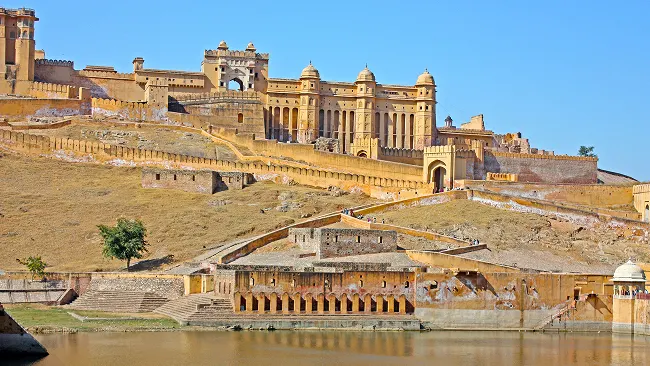
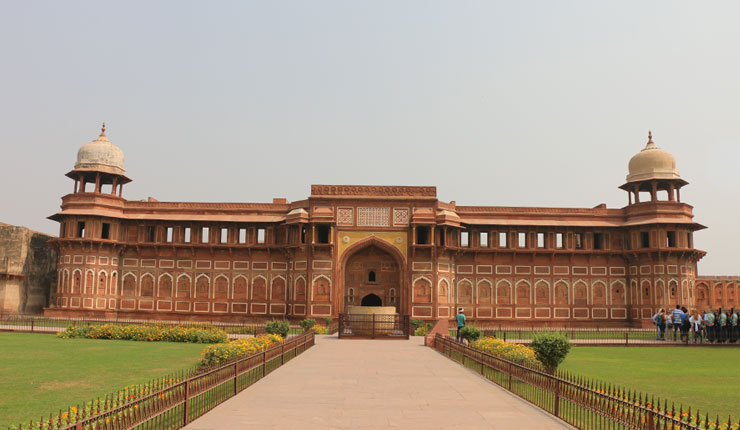
Tour Itinerary at Glance
| Day 1: | Arrive Delhi | |
| Day 2: | Delhi |
|
| Day 3: | Delhi - Nawalgarh (Drive: 290 kms/ 6 hrs) |
|
| Day 4: | Nawalgarh – Mandawa - Bikaner (Drive: 220 kms / 4 hrs) |
|
| Day 5: | Bikaner – Phalodi (Drive: 165 kms / 3 ½ hrs) |
|
| Day 6: | Phalodi - Jaisalmer (Drive: 170 kms / 3 ½ hrs) |
|
| Day 7: | Jaisalmer |
|
| Day 8: | Jaisalmer- Jodhpur (Drive: 286 kms/ 06 hrs) |
|
| Day 9: | Jodhpur |
|
| Day 10: | Jodhpur - Ghanerao (Drive: 150 kms / 3 hrs) |
|
| Day 11: | Ghanerao - Ranakpur (Drive: 30 kms / 1 hr) |
|
| Day 12: | Ranakpur- Udaipur (Drive: 90 kms / 2 hrs) |
|
| Day 13: | Udaipur - Chittorgarh (Drive: 120 kms / 2 ½ hrs) |
|
| Day 14: | Chittorgarh - Deogarh (Drive: 180 kms / 4 hrs) |
|
| Day 15: | Deogarh – Jaipur (Drive: 290 Km/ 06 Hours) |
|
| Day 16: | Jaipur |
|
| Day 17: | Jaipur - Kanota (Drive: 30 kms / 1 hr) |
|
| Day 18: | Kanota - Agra (Drive: 240 kms / 5 hrs) |
|
| Day 19: | Agra- Delhi- Home (Drive: 220 kms / 4 hrs) |
|
- - Breakfast
- - Lunch
- - Dinner
The tour package inclusions and exclusions
The tour package booking terms and conditions
Before you book a trip with “Bestway2india.com”- An online trading entity of Bestway Tours and Safaris Pvt Ltd , please take the time to read and understand the booking terms and conditions & additional special conditions which apply to certain trips ,themes and promotional offers. These booking conditions form the basis of your contract with “Bestway Tours & Safaris Pvt. Ltd, Suite 403, Suncity Trade Tower, Sector 21, Gurgaon (National Capital Region), Haryana – 122016, (India) , A company incorporated under Indian companies ACT 1956 vide registration number 55-51646
By asking us to confirm your booking, you confirm that you have had the opportunity to read and have read these booking conditions, Essential trip information, Inclusions & Exclusions and cancellation & refund policy and agree to be bound by them.
These booking conditions only apply to holiday arrangements which you book with us on https://www.bestway2india.com (An online trading entity of Bestway Tours & Safaris Pvt Ltd) and which we agree to make , provide, or perform (as applicable) as part of our contract with you. All references in these booking conditions, to “holiday”, “booking”, “contract”, “package”, “tour” or “arrangements” mean such holiday arrangements unless otherwise stated.
Essential Trip Information
Booking Deposit, Cancellation and Refund Policy
Expand All
-
Day 1 - Arrive Delhi
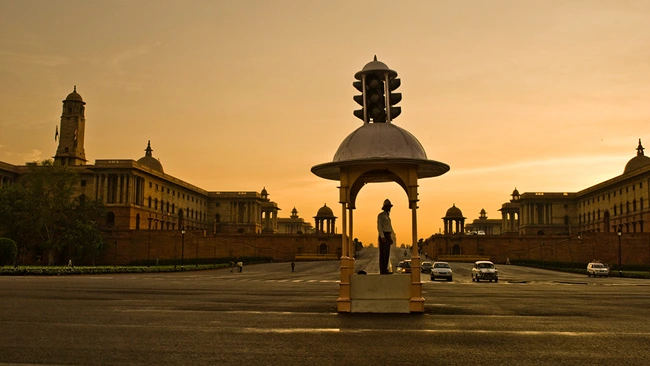 Arrival. Namaste! We are warmly welcomed the traditional Indian way with hands clapped together at the airport and transferred to our hotel. The remainder of the day is free to relax.
-
Day 2 - Delhi
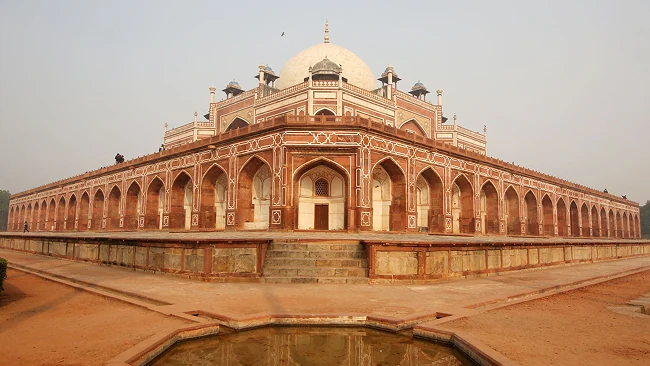
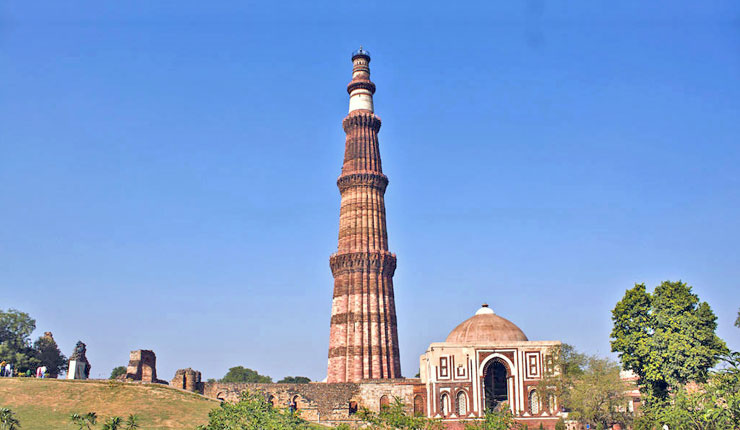
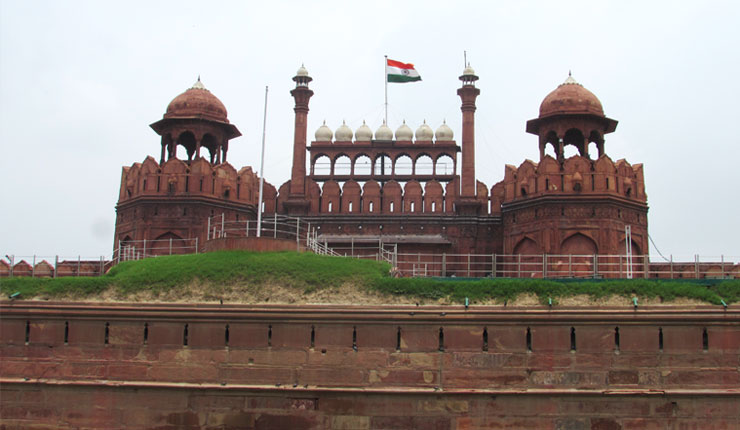
 We start our morning tour with New Delhi and visit Birla House, the Former Residence of Mahatma Gandhi before he was assassinated by Nathu Ram Godse on January 30, 1948. Later we visit the famous India Gate followed by the Houses of Parliament, Connaught Place and Humayun's Tomb*, the first garden-tomb on the Indian subcontinent, built in 1570. We continue to Qutb Minar and its Monuments* Built in the early 13th century the red sandstone tower of Qutb Minar is 72.5 m high. The surrounding archaeological area contains funerary buildings, notably the magnificent Alai-Darwaza Gate, a masterpiece of Indo-Muslim art and two mosques. Our afternoon concentrates on Old Delhi, starting with the Red Fort Complex*. Named for its massive enclosing walls of red sandstone, it is adjacent to an older fort, the Salimgarh, built by Islam Shah Suri in 1546, with which it forms the Red Fort Complex. The Red Fort is considered to represent the zenith of Mughal creativity which, under the Shah Jahan, was brought to a new level of refinement and each pavilion reveals architectural elements typical of Mughal building, reflecting a fusion of Persian, Timurid and Hindu traditions. After visiting the Red fort, we embark on a captivating journey on a Rickshaw passing through the narrow lanes of the famous Chandni Chowk Bazaar, it was originally built by Mughal Emperor Shah Jehan for his daughter Jahan Ara in 17th Century since then many changes have taken place however it still remains Old Delhi's one of the Oldest and busiest markets in Delhi. Finally end our rickshaw ride at Jama Masjid, Mughal majesty and India's largest mosque. After visiting the mosque we proceed to Raj Ghat, the cremation site of Mahatma Gandhi.
Please Note: Red Fort and Birla House are closed on Monday and Chandni Chowk is closed on Sunday
Meals Included
We start our morning tour with New Delhi and visit Birla House, the Former Residence of Mahatma Gandhi before he was assassinated by Nathu Ram Godse on January 30, 1948. Later we visit the famous India Gate followed by the Houses of Parliament, Connaught Place and Humayun's Tomb*, the first garden-tomb on the Indian subcontinent, built in 1570. We continue to Qutb Minar and its Monuments* Built in the early 13th century the red sandstone tower of Qutb Minar is 72.5 m high. The surrounding archaeological area contains funerary buildings, notably the magnificent Alai-Darwaza Gate, a masterpiece of Indo-Muslim art and two mosques. Our afternoon concentrates on Old Delhi, starting with the Red Fort Complex*. Named for its massive enclosing walls of red sandstone, it is adjacent to an older fort, the Salimgarh, built by Islam Shah Suri in 1546, with which it forms the Red Fort Complex. The Red Fort is considered to represent the zenith of Mughal creativity which, under the Shah Jahan, was brought to a new level of refinement and each pavilion reveals architectural elements typical of Mughal building, reflecting a fusion of Persian, Timurid and Hindu traditions. After visiting the Red fort, we embark on a captivating journey on a Rickshaw passing through the narrow lanes of the famous Chandni Chowk Bazaar, it was originally built by Mughal Emperor Shah Jehan for his daughter Jahan Ara in 17th Century since then many changes have taken place however it still remains Old Delhi's one of the Oldest and busiest markets in Delhi. Finally end our rickshaw ride at Jama Masjid, Mughal majesty and India's largest mosque. After visiting the mosque we proceed to Raj Ghat, the cremation site of Mahatma Gandhi.
Please Note: Red Fort and Birla House are closed on Monday and Chandni Chowk is closed on Sunday
Meals Included-
Breakfast
-
-
Day 3 - Delhi - Nawalgarh (Drive: 290 kms/ 6 hrs)
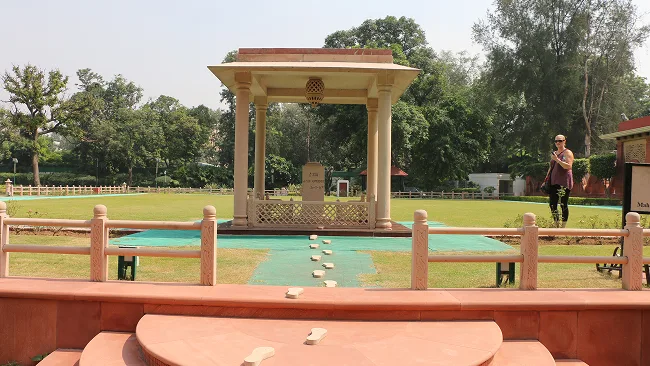 In the morning we proceed to Nawalgarh: Navalgarh, Founded in the 18th Century by Nawal Singh, it has some of the finest frescos in the Shekhawati region. A huge fort with colourful bazaar and numerous havelis with elaborate architecture makes it an interesting destination for a 1day / 1 night stay. There are a few prominent havelis like Anandilal Poddar Haveli, Aath Haveli, Hodh Raj Patodia Haveli etc., which are to be visited, and so are the two forts and the palace hotel Roop Niwas that is a beautiful heritage property and is renovated with modern facilities. The Palace offers spacious painted rooms, Luxurious interiors, graceful hospitality and great thematic evenings with sumptuous cuisine
Meals Included
In the morning we proceed to Nawalgarh: Navalgarh, Founded in the 18th Century by Nawal Singh, it has some of the finest frescos in the Shekhawati region. A huge fort with colourful bazaar and numerous havelis with elaborate architecture makes it an interesting destination for a 1day / 1 night stay. There are a few prominent havelis like Anandilal Poddar Haveli, Aath Haveli, Hodh Raj Patodia Haveli etc., which are to be visited, and so are the two forts and the palace hotel Roop Niwas that is a beautiful heritage property and is renovated with modern facilities. The Palace offers spacious painted rooms, Luxurious interiors, graceful hospitality and great thematic evenings with sumptuous cuisine
Meals Included-
Breakfast
-
Dinner
-
-
Day 4 - Nawalgarh – Mandawa - Bikaner (Drive: 220 kms / 4 hrs)
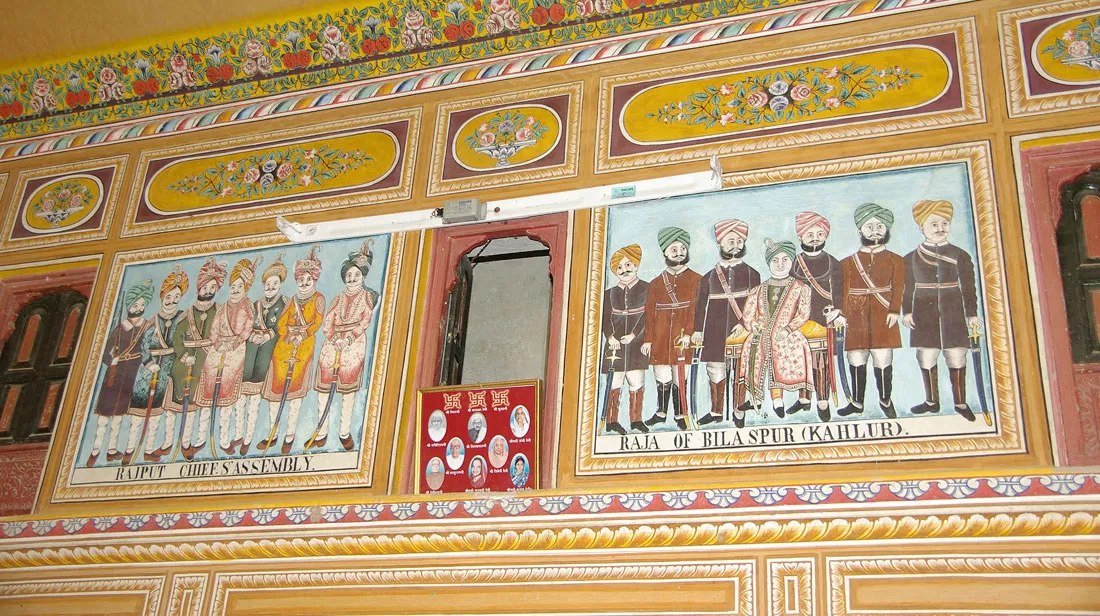 After breakfast we drive to Bikaner, En-route visiting Mandawa. We explore Mandawa's famous "The Open Air Art Gallery of Rajasthan", visiting havelis, where the walls have been decorated with beautiful frescos depicting different aspects of the life in Rajasthan. Later we proceed to Bikaner. This desert city has a stark beauty, which is totally unique. The wide-spread sand dunes, the moonlit glittering beauty and desert agility, the worth-seeing natural sites, the marvelous palaces and temples, wild life sanctuaries and archeological treasures all combine to make this city a place of lasting charm and permanent attraction. Rao Bika a descendant of Jodha, the founder of Jodhpur, founded Bikaner in 1488. A high crenellated wall surrounds the old city; it was another important staging post on the great caravan trade routes. This sprawling desert town has a fort with some of the finest interiors in India, and a bustling old walled city encompassing dark-red sandstone havelis and exquisitely painted Jain temples. The area is famous for the intricate rich gold painting work by Muslim Usta artisans. The fort is distinguished by its long range of 37 pavilions, a line of balconies and aries windows of varying designs. An enormous arched doorway leads to the Jaramal Temple. The royal chapel is Har Mandir where royal weddings and births were once celebrated. On arrival in Bikaner we check in our hotel.
Meals Included
After breakfast we drive to Bikaner, En-route visiting Mandawa. We explore Mandawa's famous "The Open Air Art Gallery of Rajasthan", visiting havelis, where the walls have been decorated with beautiful frescos depicting different aspects of the life in Rajasthan. Later we proceed to Bikaner. This desert city has a stark beauty, which is totally unique. The wide-spread sand dunes, the moonlit glittering beauty and desert agility, the worth-seeing natural sites, the marvelous palaces and temples, wild life sanctuaries and archeological treasures all combine to make this city a place of lasting charm and permanent attraction. Rao Bika a descendant of Jodha, the founder of Jodhpur, founded Bikaner in 1488. A high crenellated wall surrounds the old city; it was another important staging post on the great caravan trade routes. This sprawling desert town has a fort with some of the finest interiors in India, and a bustling old walled city encompassing dark-red sandstone havelis and exquisitely painted Jain temples. The area is famous for the intricate rich gold painting work by Muslim Usta artisans. The fort is distinguished by its long range of 37 pavilions, a line of balconies and aries windows of varying designs. An enormous arched doorway leads to the Jaramal Temple. The royal chapel is Har Mandir where royal weddings and births were once celebrated. On arrival in Bikaner we check in our hotel.
Meals Included-
Breakfast
-
-
Day 5 - Bikaner – Phalodi (Drive: 165 kms / 3 ½ hrs)
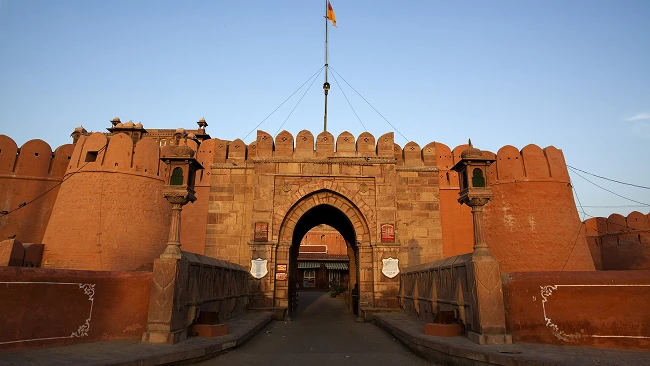 After breakfast we drive to Phalodi. The city is well known for salt business, old historical presence, temples and the art works. Here a lot of migratory birds gather. Watching them circle in noisy, undulating formations overhead, or stepping gingerly across the sands, has to be one of the great spectacles of the Thar region
Meals Included
After breakfast we drive to Phalodi. The city is well known for salt business, old historical presence, temples and the art works. Here a lot of migratory birds gather. Watching them circle in noisy, undulating formations overhead, or stepping gingerly across the sands, has to be one of the great spectacles of the Thar region
Meals Included-
Breakfast
-
Dinner
-
-
Day 6 - Phalodi - Jaisalmer (Drive: 170 kms / 3 ½ hrs)
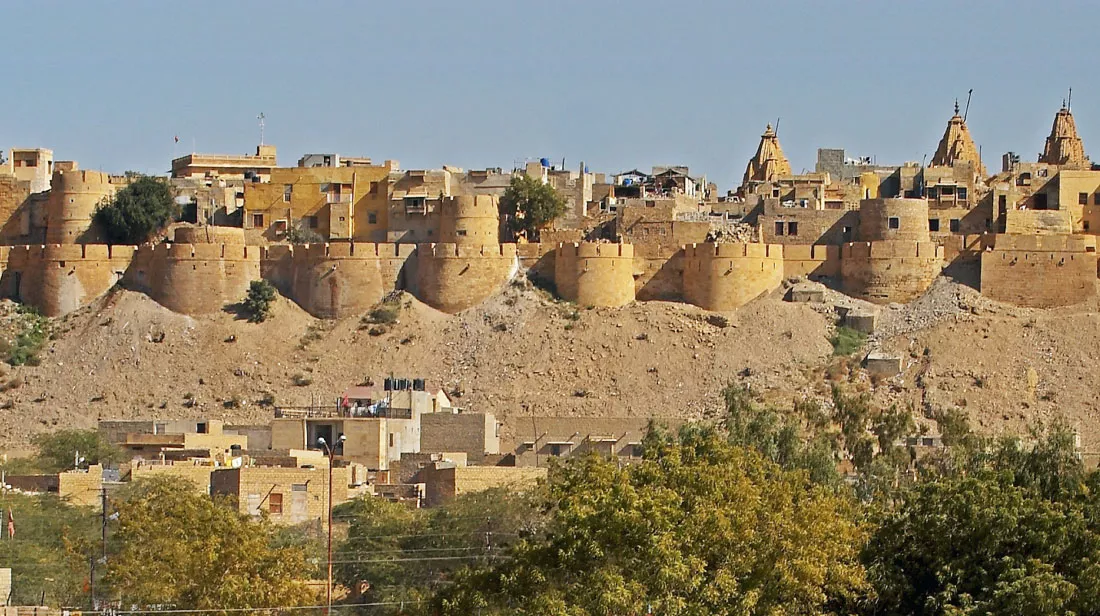 After breakfast, we drive to Jaisalmer. Jaisalmer stands on a ridge of yellowish sandstone, crowned by a fort, which contains the palace and several ornate Jain temples. Many of the houses and temples are finely sculptured. It lies in the heart of the Thar Desert. On arrival, we check in at our hotel.
In the evening we take an excursion tour of SAM and SAND DUNES. Village SAM 45 kms west of Jaisalmer has a cluster of Sand dunes. These dunes are large extents of shifting sands, the wind heaps the sand into hills or deep hollow scopes vary in size from 3 to 15 km. Adventure freaks can go out on a Camel Safari - getting the real feel of the desert on the camel back. Enjoy the sun set with changing colors in desert
Meals Included
After breakfast, we drive to Jaisalmer. Jaisalmer stands on a ridge of yellowish sandstone, crowned by a fort, which contains the palace and several ornate Jain temples. Many of the houses and temples are finely sculptured. It lies in the heart of the Thar Desert. On arrival, we check in at our hotel.
In the evening we take an excursion tour of SAM and SAND DUNES. Village SAM 45 kms west of Jaisalmer has a cluster of Sand dunes. These dunes are large extents of shifting sands, the wind heaps the sand into hills or deep hollow scopes vary in size from 3 to 15 km. Adventure freaks can go out on a Camel Safari - getting the real feel of the desert on the camel back. Enjoy the sun set with changing colors in desert
Meals Included-
Breakfast
-
-
Day 7 - Jaisalmer
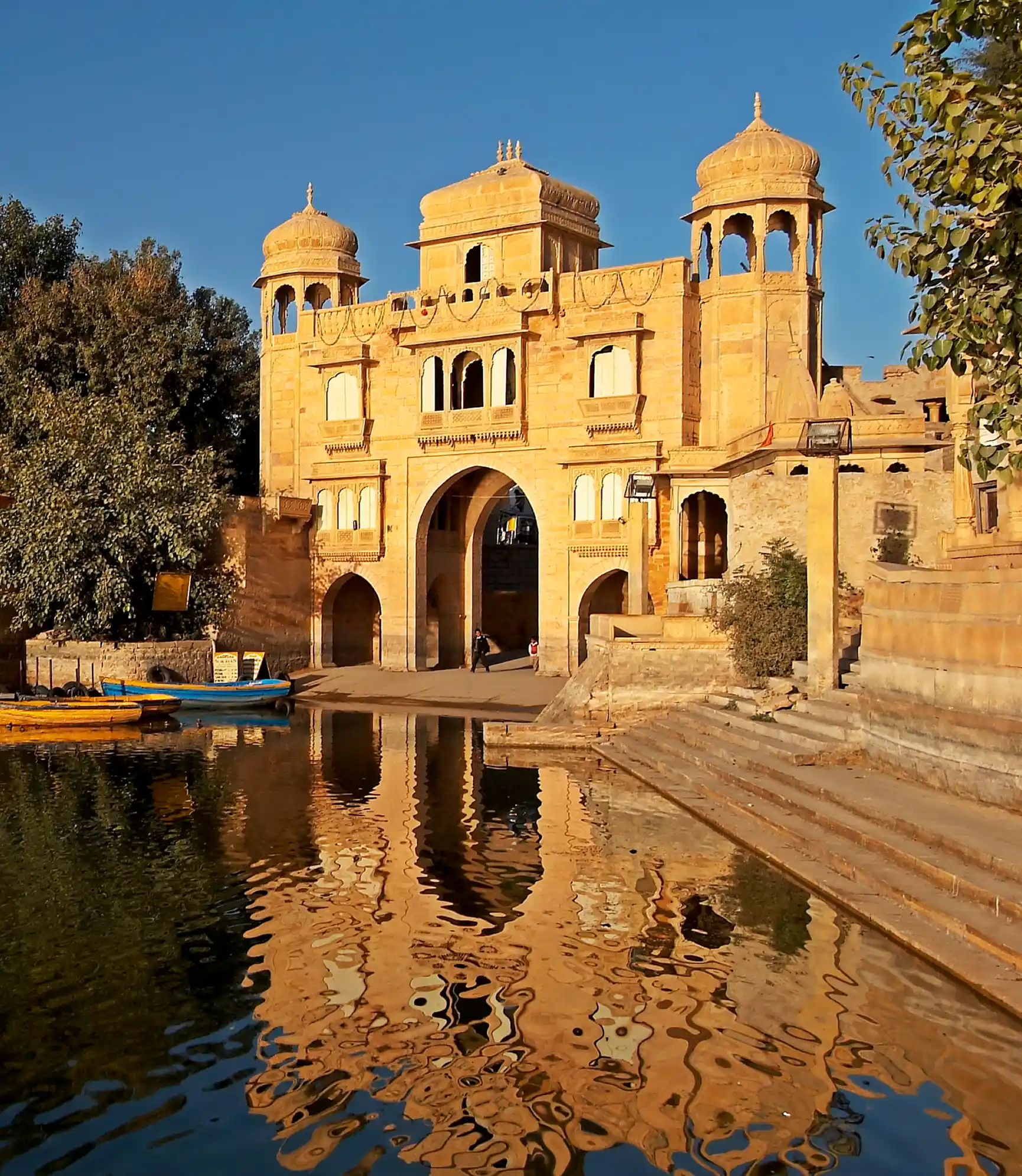
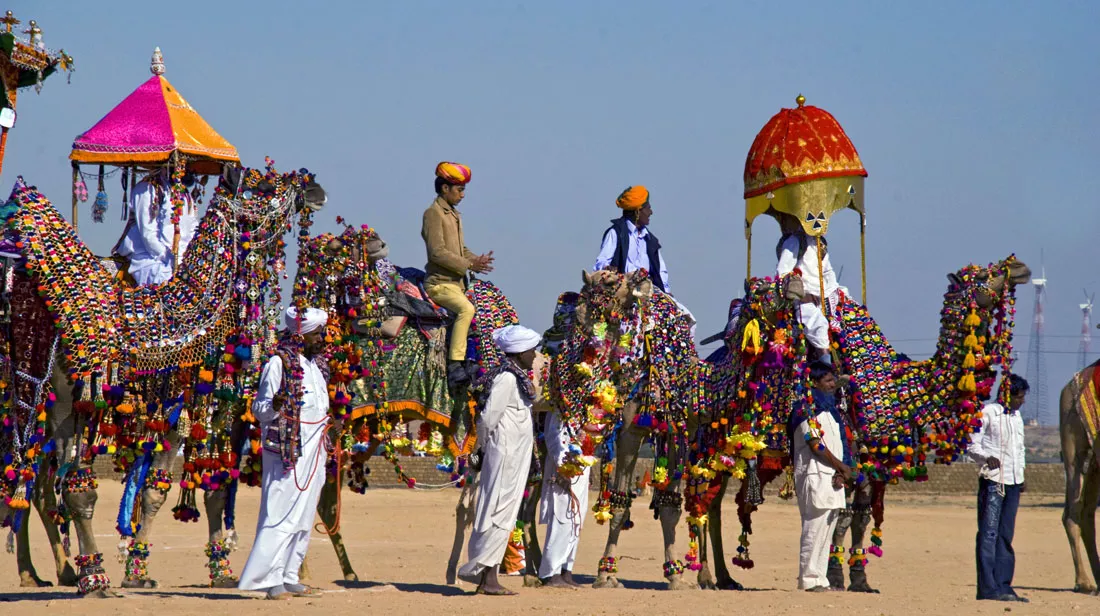 Today we visit Jaisalmer Fort*, one of the largest forts in the world. It was built in 1156 AD by the Bhati Rajput ruler Rawal Jaisal, from where it derives name. The fort stands proudly amidst the golden stretches of the great Thar Desert, on Trikuta Hill, and has been the scene of many battles. Its massive yellow sandstone walls are a tawny lion color during the day, fading to honey-gold as the sun sets, thereby camouflaging the fort in the yellow desert. For this reason, it is also known as the "Golden Fort". Life within the citadel conjures up images of medieval times as we wander through narrow lanes filled with havelis (mansions), temples, skilled artisans and of course camels. We then explore the Jain temple dating to the 11th century BC, the Folk Museum and Patwon-Ki-Haveli, the home of a wealthy merchant belonging to powerful Oswal Jain community and banker who had over three hundred trading centers from Afghanistan to China. This ornate five-story complex took fifty years to complete and is the largest, and most elaborate of Jaisalmer’s havelis. We also visit Gadisar Tank, a scenic rainwater lake with numerous beautiful shrines around and a spectacular avian variety.
Meals Included
Today we visit Jaisalmer Fort*, one of the largest forts in the world. It was built in 1156 AD by the Bhati Rajput ruler Rawal Jaisal, from where it derives name. The fort stands proudly amidst the golden stretches of the great Thar Desert, on Trikuta Hill, and has been the scene of many battles. Its massive yellow sandstone walls are a tawny lion color during the day, fading to honey-gold as the sun sets, thereby camouflaging the fort in the yellow desert. For this reason, it is also known as the "Golden Fort". Life within the citadel conjures up images of medieval times as we wander through narrow lanes filled with havelis (mansions), temples, skilled artisans and of course camels. We then explore the Jain temple dating to the 11th century BC, the Folk Museum and Patwon-Ki-Haveli, the home of a wealthy merchant belonging to powerful Oswal Jain community and banker who had over three hundred trading centers from Afghanistan to China. This ornate five-story complex took fifty years to complete and is the largest, and most elaborate of Jaisalmer’s havelis. We also visit Gadisar Tank, a scenic rainwater lake with numerous beautiful shrines around and a spectacular avian variety.
Meals Included-
Breakfast
-
-
Day 8 - Jaisalmer- Jodhpur (Drive: 286 kms/ 06 hrs)
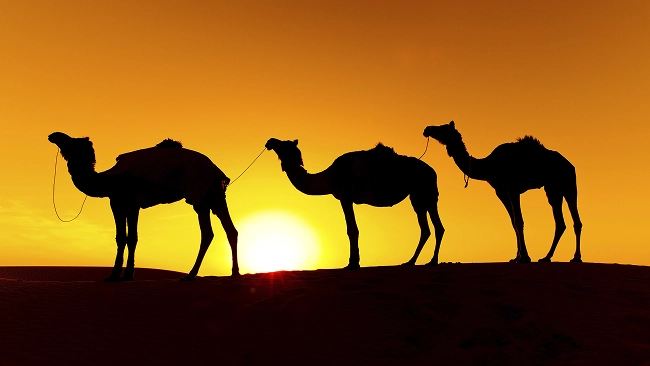 After breakfast, we drive to Jodhpur. On arrival, we check in our Hotel. Rest of the day is free for relax.
Meals Included
After breakfast, we drive to Jodhpur. On arrival, we check in our Hotel. Rest of the day is free for relax.
Meals Included-
Breakfast
-
-
Day 9 - Jodhpur
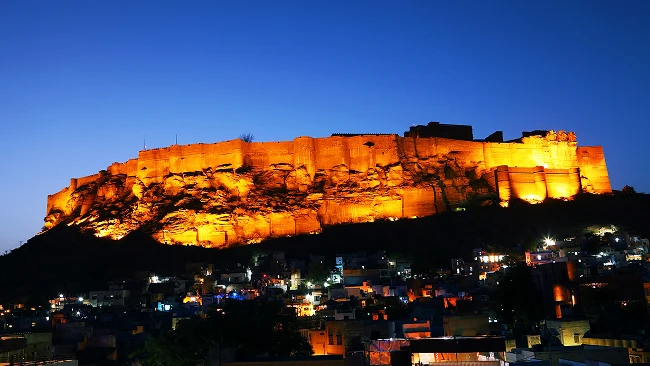
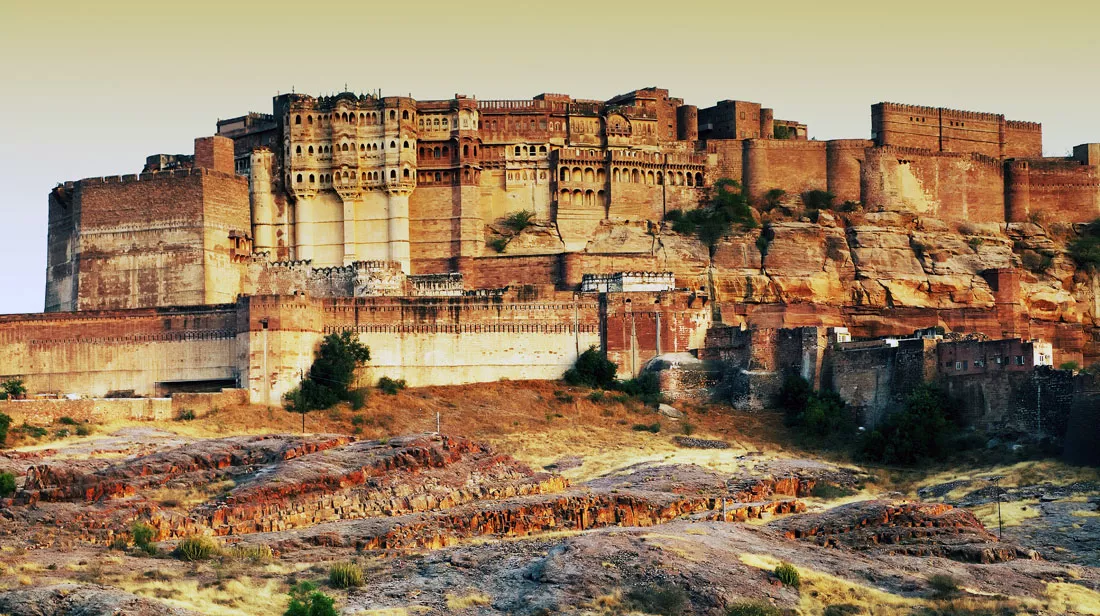 Our experience of Jodhpur starts with a visit Mehrangarh Fort, one of the largest forts in India. The fort is situated 400 feet (122 m) above the city and is enclosed by imposing thick walls. Inside its boundaries there are several palaces known for their intricate carvings and expansive courtyards. We enter through the Gate of Victory (Jaipol) and explore the series of courtyards and palaces decorated with beautiful terracotta lattice work. The museum in the fort has one of the best collections of the splendid trappings of Indian royalty, including some amazing elephant's howdahs (essential for glittering processions), miniature paintings and the inevitable Rajput armory and ephemera from ivory inlaid ladies dumbbells to camel bone carpet weights. Later we visit Jaswant Thada, a white marble memorial to Maharaja Jaswant Singh II with an array of whimsical domes, and the beautifully landscaped Mandore Gardens and the museum at the Umaid Bhawan Palace, now a luxury hotel.
Meals Included
Our experience of Jodhpur starts with a visit Mehrangarh Fort, one of the largest forts in India. The fort is situated 400 feet (122 m) above the city and is enclosed by imposing thick walls. Inside its boundaries there are several palaces known for their intricate carvings and expansive courtyards. We enter through the Gate of Victory (Jaipol) and explore the series of courtyards and palaces decorated with beautiful terracotta lattice work. The museum in the fort has one of the best collections of the splendid trappings of Indian royalty, including some amazing elephant's howdahs (essential for glittering processions), miniature paintings and the inevitable Rajput armory and ephemera from ivory inlaid ladies dumbbells to camel bone carpet weights. Later we visit Jaswant Thada, a white marble memorial to Maharaja Jaswant Singh II with an array of whimsical domes, and the beautifully landscaped Mandore Gardens and the museum at the Umaid Bhawan Palace, now a luxury hotel.
Meals Included-
Breakfast
-
-
Day 10 - Jodhpur - Ghanerao (Drive: 150 kms / 3 hrs)
 After breakfast we leave for Ghanerao. The small village of Ghanerao is placed in a picturesque forested region. The town, has a number of red sandstone havelis (houses with courtyards), with some old temples, baolis (step wells) and marble chhatris (cenotaphs) scattered about. The old fort lies south of the town and is marked with cannonball scars, a testimony to the wars that were fought here. On arrival in Ghanerao we check in our hotel. In the noon we visit the Ghanerao Rawla (castle), a red sandstone castle built in 1627 that served as the Home of the rulers. One has to negotiate a narrow, winding, side scraping road, which leads through the depths of the village, to reach this beautiful castle. The building is designed in the typical Rajput architectural style and here among hunting trophies, Rajput miniature paintings, chandeliered rooms and ancient walls, there is a nostalgic air of past glory and of the royal lifestyle that the Thakur' s led. The charming marble pavilion in a central courtyard of the castle was where palace musicians used to perform. There are faded miniature paintings on the walls and obsolete elephant stables within the grounds. Some of the boundary walls are marked with cannon balls and around the castle are the family cenotaphs of the former rulers, warriors who gallantly upheld their clan.
Meals Included
After breakfast we leave for Ghanerao. The small village of Ghanerao is placed in a picturesque forested region. The town, has a number of red sandstone havelis (houses with courtyards), with some old temples, baolis (step wells) and marble chhatris (cenotaphs) scattered about. The old fort lies south of the town and is marked with cannonball scars, a testimony to the wars that were fought here. On arrival in Ghanerao we check in our hotel. In the noon we visit the Ghanerao Rawla (castle), a red sandstone castle built in 1627 that served as the Home of the rulers. One has to negotiate a narrow, winding, side scraping road, which leads through the depths of the village, to reach this beautiful castle. The building is designed in the typical Rajput architectural style and here among hunting trophies, Rajput miniature paintings, chandeliered rooms and ancient walls, there is a nostalgic air of past glory and of the royal lifestyle that the Thakur' s led. The charming marble pavilion in a central courtyard of the castle was where palace musicians used to perform. There are faded miniature paintings on the walls and obsolete elephant stables within the grounds. Some of the boundary walls are marked with cannon balls and around the castle are the family cenotaphs of the former rulers, warriors who gallantly upheld their clan.
Meals Included-
Breakfast
-
-
Day 11 - Ghanerao - Ranakpur (Drive: 30 kms / 1 hr)
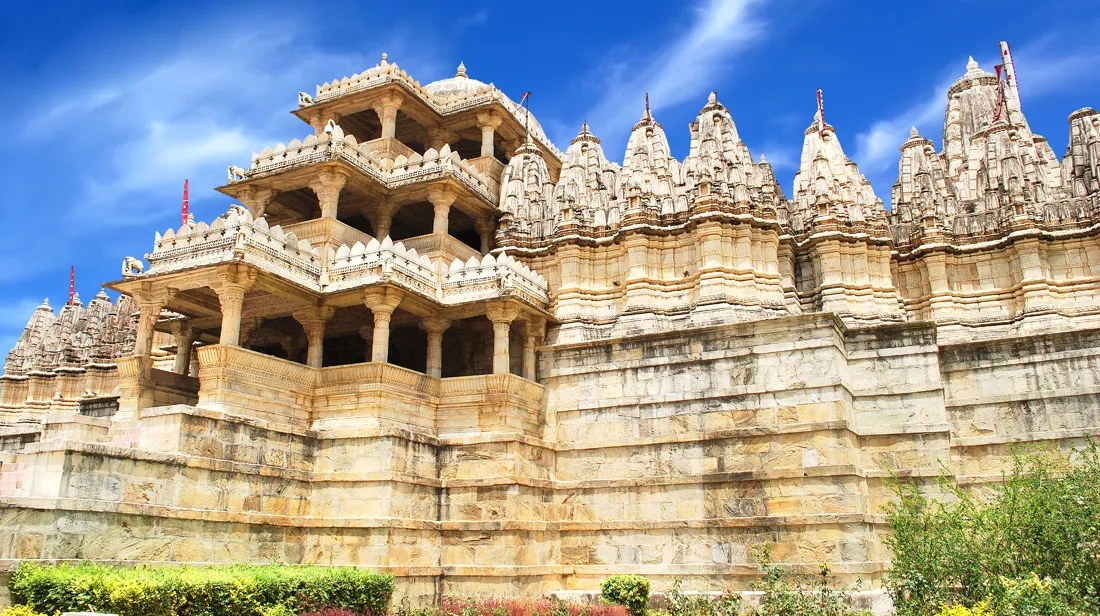 After breakfast we drive to Ranakpur. Ranakpur is named after Rana Kumbha whom Dharna Sah, a Jain businessman, approached when he had the vision of his great temple to ask for the land for its construction. Renowned for some marvelously carved Jain temples in amber stone, Ranakpur is amongst the five holiest places of the Jain community and exceptional in beauty. We visit the famous Ranakpur temples, constructed in the AD 1439. The Ranakpur Jain Temple was built during the reign of the liberal and gifted monarch Rana Kumbha in the 15th century. An enormous basement covers 48,000 sq. feet area. There are four subsidiary shrines, twenty-four pillared halls and eligibly domes supported by over four hundred columns. The total number of columns is 1,444 all of which are intricately carved no two being alike. The artistically carved nymphs playing the flute in various dance postures at a height of 45 feet are an engrossing sight. In the assembly hall, there are two big bells weighing 108 Kilograms whose sound echoes in the entire complex.
Please Note: Ranakpur Jain Temple opens at 1200 Noon
Meals Included
After breakfast we drive to Ranakpur. Ranakpur is named after Rana Kumbha whom Dharna Sah, a Jain businessman, approached when he had the vision of his great temple to ask for the land for its construction. Renowned for some marvelously carved Jain temples in amber stone, Ranakpur is amongst the five holiest places of the Jain community and exceptional in beauty. We visit the famous Ranakpur temples, constructed in the AD 1439. The Ranakpur Jain Temple was built during the reign of the liberal and gifted monarch Rana Kumbha in the 15th century. An enormous basement covers 48,000 sq. feet area. There are four subsidiary shrines, twenty-four pillared halls and eligibly domes supported by over four hundred columns. The total number of columns is 1,444 all of which are intricately carved no two being alike. The artistically carved nymphs playing the flute in various dance postures at a height of 45 feet are an engrossing sight. In the assembly hall, there are two big bells weighing 108 Kilograms whose sound echoes in the entire complex.
Please Note: Ranakpur Jain Temple opens at 1200 Noon
Meals Included-
Breakfast
-
-
Day 12 - Ranakpur- Udaipur (Drive: 90 kms / 2 hrs)
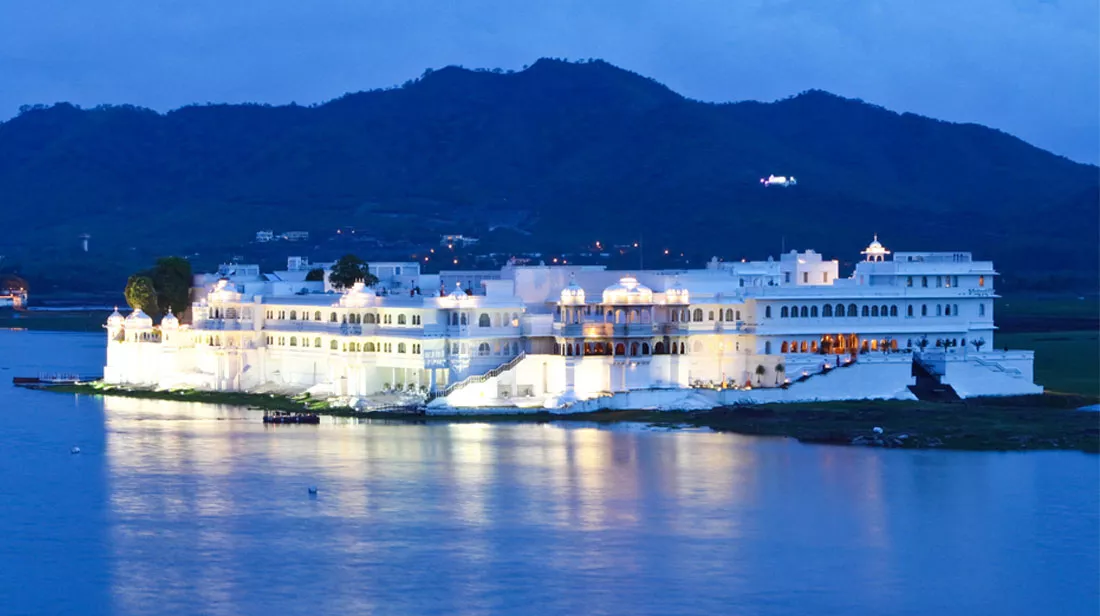 After breakfast we drive to Udaipur. No city in Rajasthan is quite as romantic as Udaipur. Misty ochre-shadowed hills and pale, intricate buildings encircle the mirror glass of Lake Pichola. If Jaipur is a study in pink then Udaipur is a vision in white. The City of Dawn, surrounded by the ancient Aravali Mountains and set on the edge of three lakes, is a brilliant kaleidoscope of narrow lanes flanked by bright stalls, gardens, lakes, palaces and temples. Eight marble porticos mark the spot where the Mewar sovereigns were weighed in gold, the equivalent value of which was then distributed to the poor. Within the City Palace are several architectural and artistic highlights such as the Mor Chowk, known for its stunning peacock mosaics and the Bhim Vilas Palace with its series of lovely wall paintings. The most memorable parts of Udaipur are its lake palaces, shimmering like jewels on Lake Pichola. Jag Mandir, the other island palace with a marble dome, is a marvel in red sandstone. It was a refuge for the Moghul Emperor Shah Jahan when he was in exile following a quarrel with his father, Emperor Jehangir. On arrival in Udaipur we check in our hotel.
In the afternoon, visit to the enchanting City Palace, which overlooks the Lake Palace located in the blue waters of Lake Pichhola. The palace features several architectural and artistic treasures, such as the stunning peacock mosaics in the Mor Chowk and the murals of the Bhim Vilas Palace. We then visit the Jagdish Temple, to view some remarkable friezes dating back to 1651. Next we explore Fateh Sagar Lake and Saheliyon Ki Bari, the Garden of Maids. We end our tour of Udaipur with a boat ride on Lake Pichhola, sailing past the picturesque Ghats and palaces and visit Jag Mandir, a 17th century palace built on an island in Lake Pichhola. The royal family used the palace as a summer resort and a pleasure palace for holding parties
Meals Included
After breakfast we drive to Udaipur. No city in Rajasthan is quite as romantic as Udaipur. Misty ochre-shadowed hills and pale, intricate buildings encircle the mirror glass of Lake Pichola. If Jaipur is a study in pink then Udaipur is a vision in white. The City of Dawn, surrounded by the ancient Aravali Mountains and set on the edge of three lakes, is a brilliant kaleidoscope of narrow lanes flanked by bright stalls, gardens, lakes, palaces and temples. Eight marble porticos mark the spot where the Mewar sovereigns were weighed in gold, the equivalent value of which was then distributed to the poor. Within the City Palace are several architectural and artistic highlights such as the Mor Chowk, known for its stunning peacock mosaics and the Bhim Vilas Palace with its series of lovely wall paintings. The most memorable parts of Udaipur are its lake palaces, shimmering like jewels on Lake Pichola. Jag Mandir, the other island palace with a marble dome, is a marvel in red sandstone. It was a refuge for the Moghul Emperor Shah Jahan when he was in exile following a quarrel with his father, Emperor Jehangir. On arrival in Udaipur we check in our hotel.
In the afternoon, visit to the enchanting City Palace, which overlooks the Lake Palace located in the blue waters of Lake Pichhola. The palace features several architectural and artistic treasures, such as the stunning peacock mosaics in the Mor Chowk and the murals of the Bhim Vilas Palace. We then visit the Jagdish Temple, to view some remarkable friezes dating back to 1651. Next we explore Fateh Sagar Lake and Saheliyon Ki Bari, the Garden of Maids. We end our tour of Udaipur with a boat ride on Lake Pichhola, sailing past the picturesque Ghats and palaces and visit Jag Mandir, a 17th century palace built on an island in Lake Pichhola. The royal family used the palace as a summer resort and a pleasure palace for holding parties
Meals Included-
Breakfast
-
-
Day 13 - Udaipur - Chittorgarh (Drive: 120 kms / 2 ½ hrs)
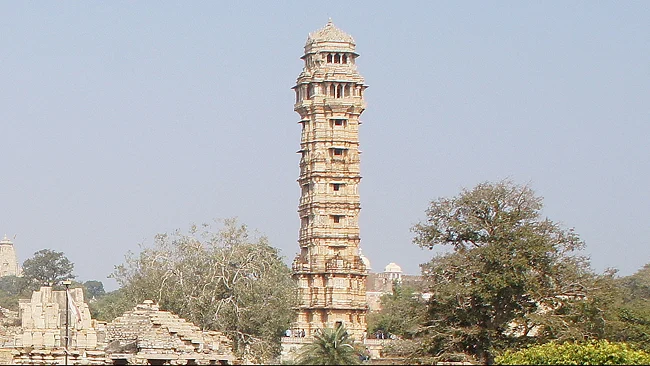
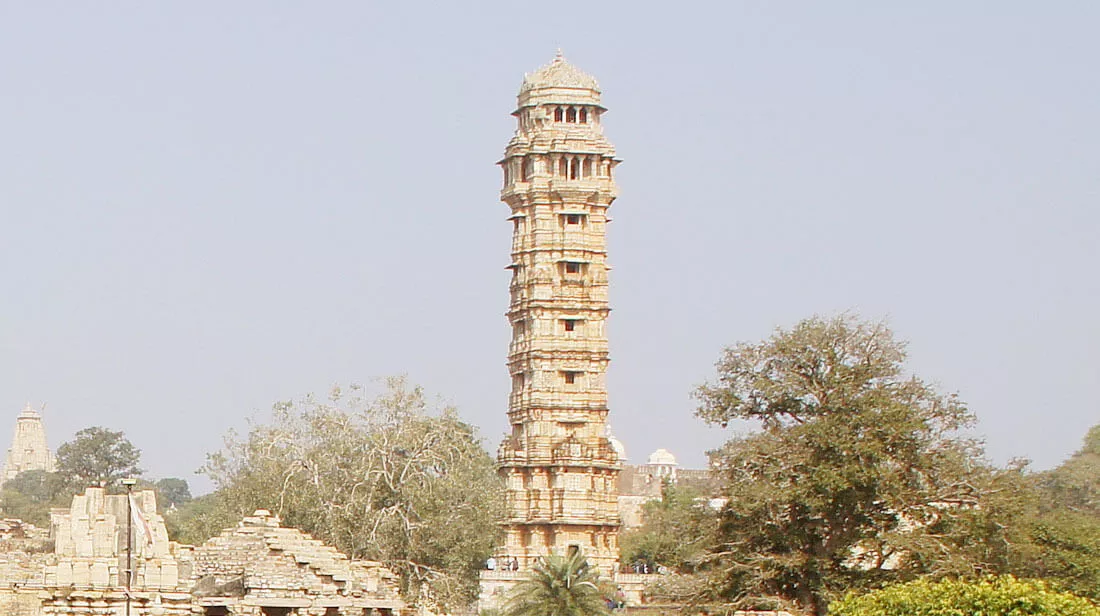 Today we drive to Chittorgarh, upon arrival we check in our hotel. In the afternoon we visit en-route visiting Chittaurgarh, India’s largest fort and the ultimate symbol of Rajput chivalry and pride. The pride and glory of Rajasthan echoes with the tales of romance and valor unique to the Rajput tradition. A ruined citadel, where the royal past lives in its imposing forts, graceful palaces and spectacular chattris. We visit Chittaurgarh fort, Vijay stambh,(Victory Tower) Kirti stambh,(Tower of Fame) Rana Kumbha’s Palace, and Padmini’s Palace.
Meals Included
Today we drive to Chittorgarh, upon arrival we check in our hotel. In the afternoon we visit en-route visiting Chittaurgarh, India’s largest fort and the ultimate symbol of Rajput chivalry and pride. The pride and glory of Rajasthan echoes with the tales of romance and valor unique to the Rajput tradition. A ruined citadel, where the royal past lives in its imposing forts, graceful palaces and spectacular chattris. We visit Chittaurgarh fort, Vijay stambh,(Victory Tower) Kirti stambh,(Tower of Fame) Rana Kumbha’s Palace, and Padmini’s Palace.
Meals Included-
Breakfast
-
-
Day 14 - Chittorgarh - Deogarh (Drive: 180 kms / 4 hrs)
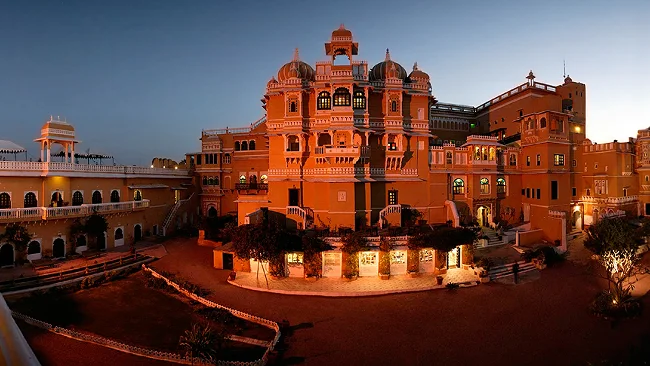
 After breakfast we leave for Deogarh. On arrival, we check in at Deogarh Mahal, an imposing structure built in the 17th century. It stands atop a hill and offers a commanding view of the Aravalli mountain range and the numerous lakes, strewn across the countryside. With its graying battlements, domes, turrets, jharokhas and huge gateways, it is a picturesque sight from the town below. Rest of the day is free.
Meals Included
After breakfast we leave for Deogarh. On arrival, we check in at Deogarh Mahal, an imposing structure built in the 17th century. It stands atop a hill and offers a commanding view of the Aravalli mountain range and the numerous lakes, strewn across the countryside. With its graying battlements, domes, turrets, jharokhas and huge gateways, it is a picturesque sight from the town below. Rest of the day is free.
Meals Included-
Breakfast
-
-
Day 15 - Deogarh – Jaipur (Drive: 290 Km/ 06 Hours)
 Today we drive through the fascinating countryside to Jaipur, the rose pink capital of Rajasthan, since most of the buildings in the old city are made of pink sandstone. Upon arrival we check in our hotel. Rest of the day is free for relax.
Meals Included
Today we drive through the fascinating countryside to Jaipur, the rose pink capital of Rajasthan, since most of the buildings in the old city are made of pink sandstone. Upon arrival we check in our hotel. Rest of the day is free for relax.
Meals Included-
Breakfast
-
-
Day 16 - Jaipur
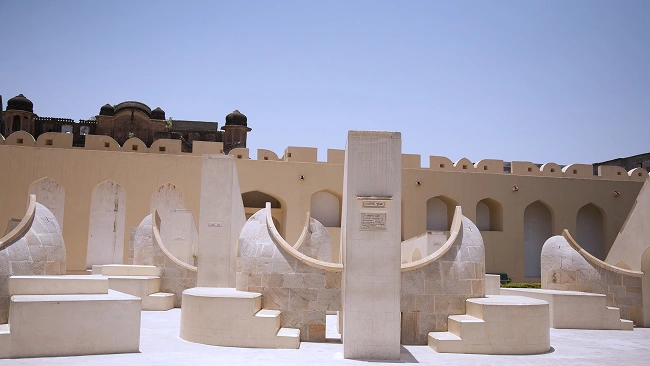
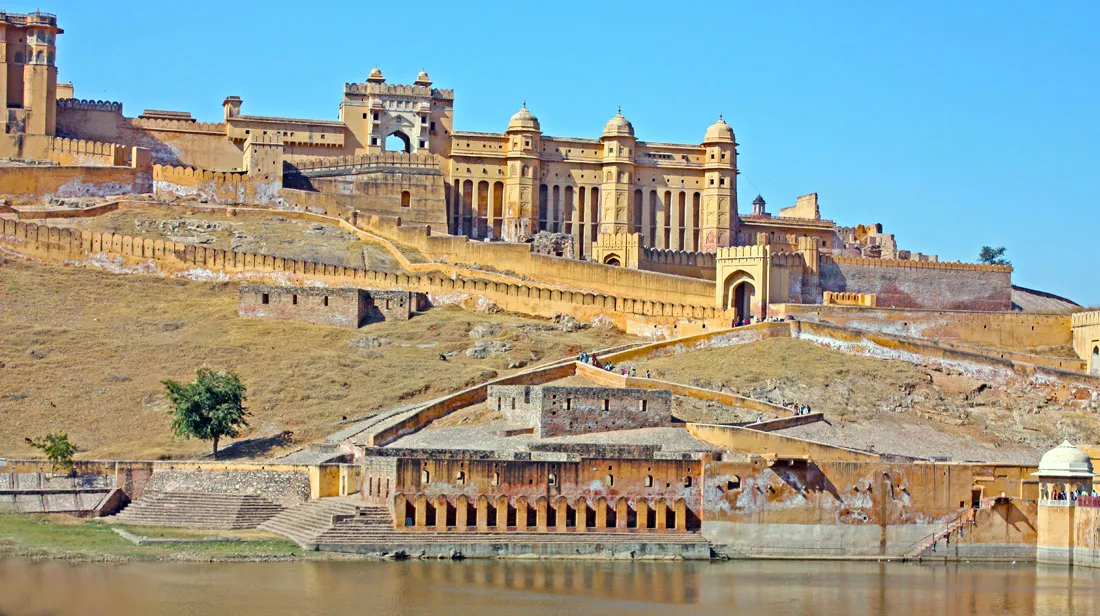 This morning we take a Jeep Ride uphill to the intriguing Amber Palace, a distinguished example of 17th Century Rajput architecture. Located in a valley formed by a range of Aravallis known as Kalikho hills. The Palace and Fort are located on top of the hill with the city on slopes, and the valley protected by fort walls with four gates in the four cardinal directions. The construction of the fort began in 1592. It shows the evolution from the purely defensive fort settlements of the early medieval period to the palace fortress type of architecture typified in the 16th century. This palace fortress was never attacked or invaded. The fort comprises of number of gardens, courtyards and palatial spaces derived from Mughal architecture and are a distinguished example of 17th Century Rajput architecture. We return to Jaipur and experience the art of carpet weaving & block printing. Later we visit the majestic City Palace, which houses a rare collection of Indian art and the beautiful Hawa Mahal, the Palace of Winds, where the ladies of the royal harem used to watch the city from behind the intricately carved facade. We also visit the Jantar Mantar*, an astronomical observation site built in the early 18th century that includes a set of some 20 main fixed instruments designed for the observation of astronomical positions with the naked eye. It is an expression of the astronomical skills and cosmological concepts of the court of a scholarly prince at the end of the Mughal period. The evening is free to enjoy both shopping and the cultural experience in the bazaars. Jaipur is noted for its craftsmen, skilled in brass inlay, lacquer work and stone setting.
Meals Included
This morning we take a Jeep Ride uphill to the intriguing Amber Palace, a distinguished example of 17th Century Rajput architecture. Located in a valley formed by a range of Aravallis known as Kalikho hills. The Palace and Fort are located on top of the hill with the city on slopes, and the valley protected by fort walls with four gates in the four cardinal directions. The construction of the fort began in 1592. It shows the evolution from the purely defensive fort settlements of the early medieval period to the palace fortress type of architecture typified in the 16th century. This palace fortress was never attacked or invaded. The fort comprises of number of gardens, courtyards and palatial spaces derived from Mughal architecture and are a distinguished example of 17th Century Rajput architecture. We return to Jaipur and experience the art of carpet weaving & block printing. Later we visit the majestic City Palace, which houses a rare collection of Indian art and the beautiful Hawa Mahal, the Palace of Winds, where the ladies of the royal harem used to watch the city from behind the intricately carved facade. We also visit the Jantar Mantar*, an astronomical observation site built in the early 18th century that includes a set of some 20 main fixed instruments designed for the observation of astronomical positions with the naked eye. It is an expression of the astronomical skills and cosmological concepts of the court of a scholarly prince at the end of the Mughal period. The evening is free to enjoy both shopping and the cultural experience in the bazaars. Jaipur is noted for its craftsmen, skilled in brass inlay, lacquer work and stone setting.
Meals Included-
Breakfast
-
-
Day 17 - Jaipur - Kanota (Drive: 30 kms / 1 hr)
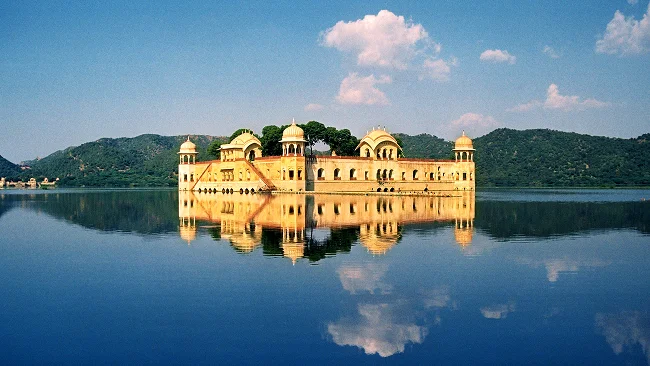 After breakfast we leave for Kanota and on arrival check in at the Royal Castle Kanota. Thakur Zorawar Singh the founder of the Kanota city belonged to the Champawat family of Pilwa, an estate of Jodhpur. He came to Jaipur in the year 1869 and joined the Jaipur administrative service. Due to his outstanding abilities as on administrator and sportsman he became a confidant of Maharaja Sawai Ram Singh of Jaipur. By the end Maharaja Sawai Ram Singh's reign he had established himself as a prominent noble in the Jaipur state and played very important role in the succession of Maharaja Sawai Madho Singh to the throne of Jaipur. He served the Jaipur royal family for 46 years. With a Majestic Durbar Hall, Golden Suite, and a big beautiful garden with a fruit orchard the fortified medieval castle is a magnificent experience. The Castle Library has gold work and unique collection of over 10,000 rare books, manuscripts, miniatures and a very rich (16th Century) armory. There are gardens with fruit orchard and facilities for horse and camel ride at the Royal Castle. Rest of the day is free for relaxation
Meals Included
After breakfast we leave for Kanota and on arrival check in at the Royal Castle Kanota. Thakur Zorawar Singh the founder of the Kanota city belonged to the Champawat family of Pilwa, an estate of Jodhpur. He came to Jaipur in the year 1869 and joined the Jaipur administrative service. Due to his outstanding abilities as on administrator and sportsman he became a confidant of Maharaja Sawai Ram Singh of Jaipur. By the end Maharaja Sawai Ram Singh's reign he had established himself as a prominent noble in the Jaipur state and played very important role in the succession of Maharaja Sawai Madho Singh to the throne of Jaipur. He served the Jaipur royal family for 46 years. With a Majestic Durbar Hall, Golden Suite, and a big beautiful garden with a fruit orchard the fortified medieval castle is a magnificent experience. The Castle Library has gold work and unique collection of over 10,000 rare books, manuscripts, miniatures and a very rich (16th Century) armory. There are gardens with fruit orchard and facilities for horse and camel ride at the Royal Castle. Rest of the day is free for relaxation
Meals Included-
Breakfast
-
-
Day 18 - Kanota - Agra (Drive: 240 kms / 5 hrs)
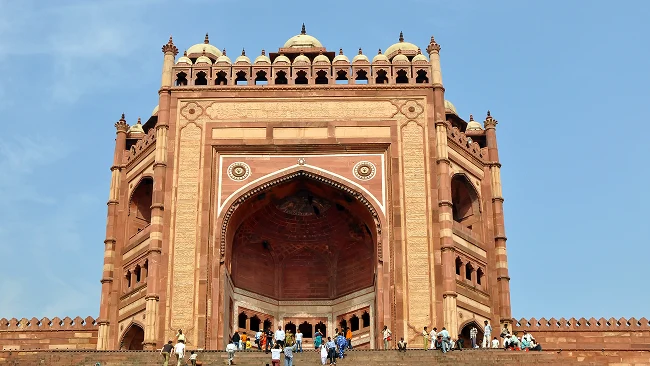
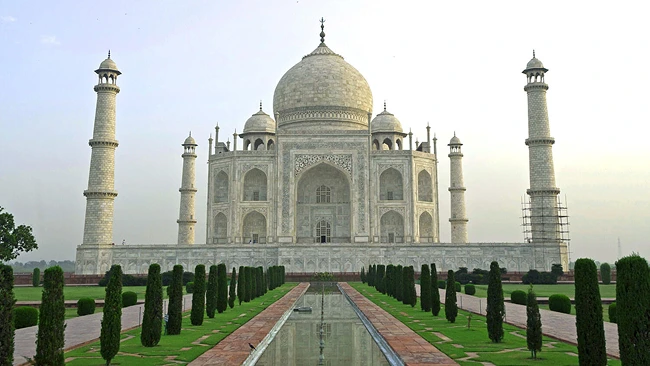
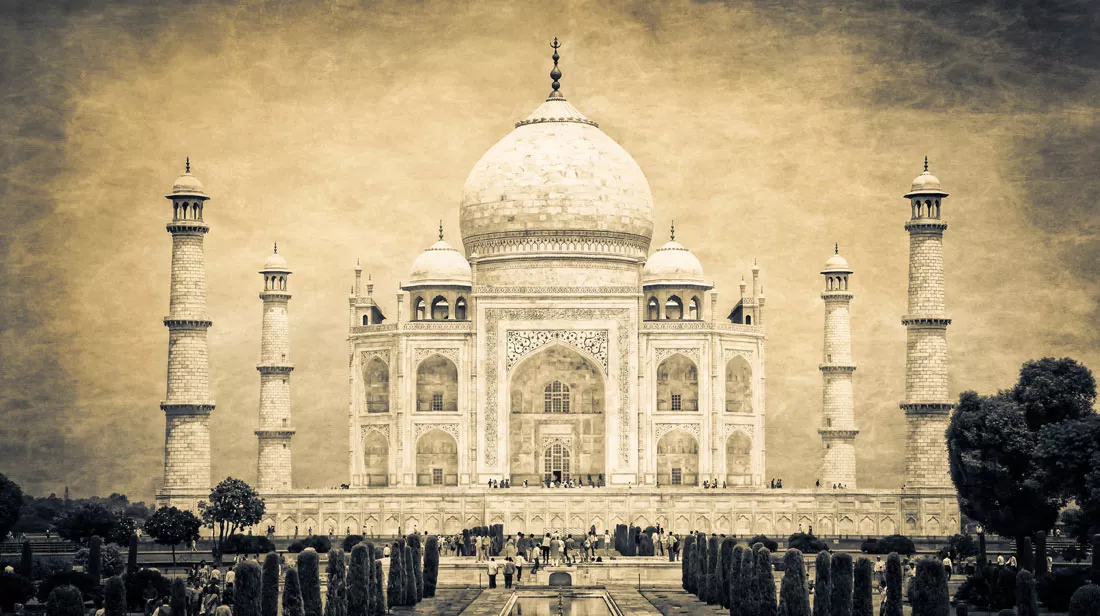 After breakfast we proceed to Agra, en-route visiting Fatehpur Sikri, Akbar's Capital where phantoms of ancient pomp and splendor fill a deserted city, silent witnesses to a vanished dream. The capital had to be abandoned by the emperor for lack of adequate water supply. The marble tomb of the Saint 'Salim Chisti' and the Bulland Durwaza, the highest gateway in the world, are some of the highlights of the place. Later we continue our countryside journey for Agra. On arrival in Agra, we check in hotel. In the afternoon enjoy a city tour covering Taj Mahal; best described as 'poetry in marble' because of its beauty, grace and exquisite workmanship, built by the Mughal Emperor Shah Jehan in 1630 as a memorial to his beloved queen Mumtaz Mahal. Surely it is the greatest monument of love, and truly one of the wonders of the world. We also visit Agra Fort, built by Emperor Akbar, standing opposite the Taj on the banks of the Yamuna River, which contains a wealth of palaces and monuments that recall the days of Mughal splendors Red Fort
Meals Included
After breakfast we proceed to Agra, en-route visiting Fatehpur Sikri, Akbar's Capital where phantoms of ancient pomp and splendor fill a deserted city, silent witnesses to a vanished dream. The capital had to be abandoned by the emperor for lack of adequate water supply. The marble tomb of the Saint 'Salim Chisti' and the Bulland Durwaza, the highest gateway in the world, are some of the highlights of the place. Later we continue our countryside journey for Agra. On arrival in Agra, we check in hotel. In the afternoon enjoy a city tour covering Taj Mahal; best described as 'poetry in marble' because of its beauty, grace and exquisite workmanship, built by the Mughal Emperor Shah Jehan in 1630 as a memorial to his beloved queen Mumtaz Mahal. Surely it is the greatest monument of love, and truly one of the wonders of the world. We also visit Agra Fort, built by Emperor Akbar, standing opposite the Taj on the banks of the Yamuna River, which contains a wealth of palaces and monuments that recall the days of Mughal splendors Red Fort
Meals Included-
Breakfast
-
-
Day 19 - Agra- Delhi- Home (Drive: 220 kms / 4 hrs)
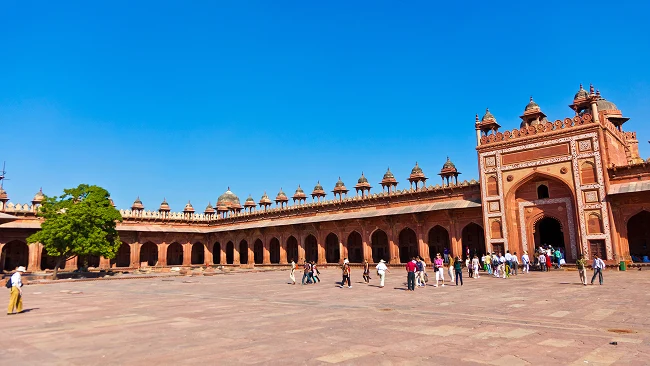 Today we drive to Delhi International airport for our departure home or to our next exciting destination
Meals Included
Today we drive to Delhi International airport for our departure home or to our next exciting destination
Meals Included-
Breakfast
-
- - Breakfast
- - Lunch
- - Dinner
* DENOTES UNESCO WORLD HERITAGE SITES INCLUDED
 Loading accommodation…
Frequently asked questions
Common questions about this tour — expand any item for details.
- 01 Is tipping included and if not, how much should I budget?
- 02 Can I book extra nights of hotel accommodation before or after my tour?
- 03 Who are my travelling companions?
- 04 How many people can join a tour?
- 05 What are the age restrictions on your tours?
- 06 I'm a single traveler, will I be charged a single supplement?
- 07 Can you provide me with a list of the hotels we will be staying at?
- 08 Can I join a tour late or leave it early?
- 09 Are airport transfers included?
- 10 What type of ground transportation is used on your tours?
- 11 Do your tours include international airfare?
- 12 What clothing should I pack for one of your tours?
- 13 What vaccinations are recommended for this tour?
- 14 What is the most appropriate type of luggage to bring?
Traveller reviews
What guests say about Rajasthan Royal Heritage Tours.
Loading gallery…
Log in to view dates & prices
Please sign in or create an account to see departure dates, pricing, and book online.

Top Tours
Hand-picked journeys travellers loved most this season.
Loading top tours…
Amazing Experience of Rajasthan Royal Heritage Tours
Jul 2018